BRITISH ISLES EXPLORER – Part III – Following the Vikings
Posted on October 25,2025 By John Compisi
The British Isles are a group of islands in northwestern Europe, rich in layers of natural splendor and cultural storytelling. The Isles include England, Scotland (including the Shetland and Orkney Islands), Wales, The Republic of Ireland, Northern Ireland and the Isles of Man, Wight, the Hebrides, and the Channel Islands.
The relationship between the Vikings and the British Isles is the stuff of epic tales—violent raids, strategic alliances, cultural exchanges, and political upheaval. From the late 8th century onward, Norse seafarers dramatically shaped the history of these islands and left behind fragments of their culture, language, laws and society.
The next 13 days of our Viking adventure saw us make port calls in every political subdivision including: Scotland, Northern Ireland, England, Ireland and Wales. We saw a few Viking settlements along the way.
This is Part III of our series, “Following the Vikings”. Part I highlighted our Icelandic adventures while Part II reveled in our Norwegian fjord escapades. We did not visit the Isles of Man, Wight, the Hebrides, and the Channel Islands but the Faroes. Orkney Island and the Shetlands filled that void. Maybe next time!
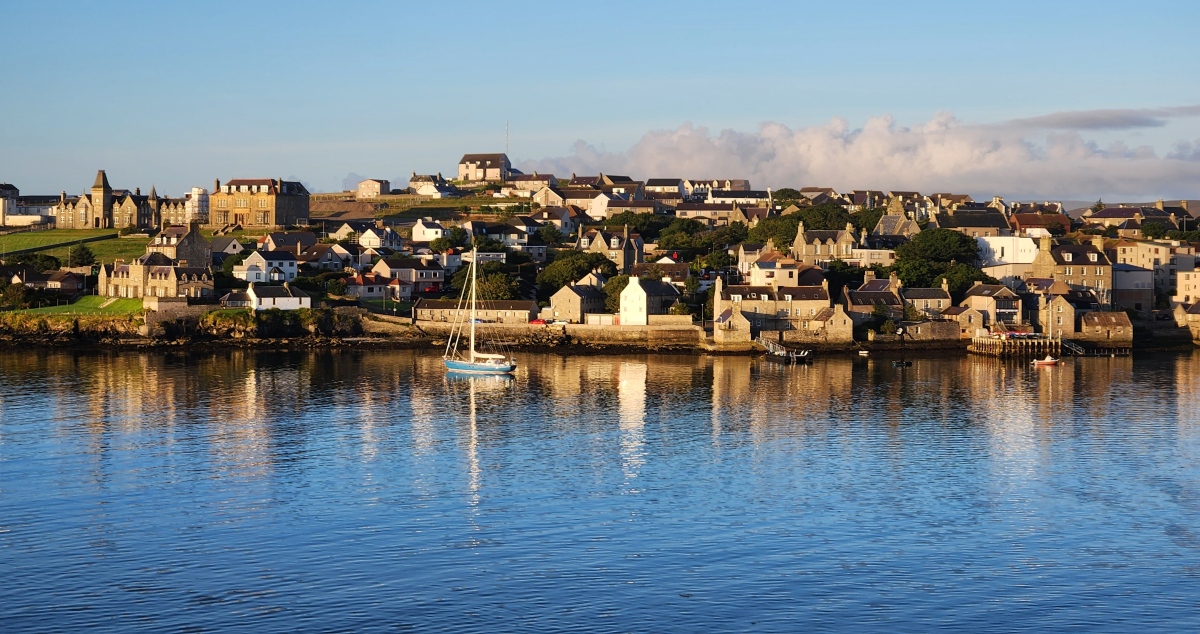
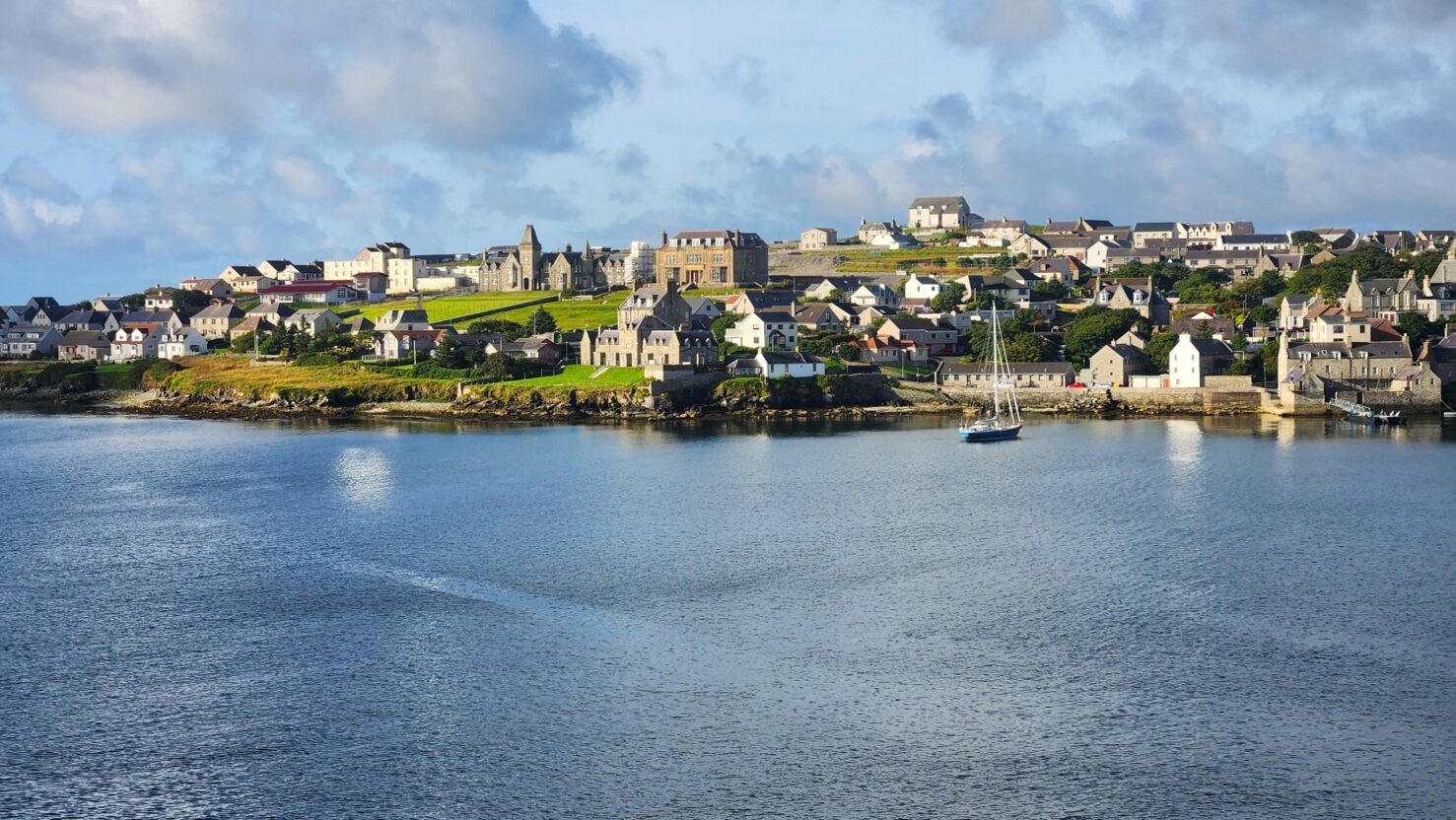
Nestled in the wild northern waters between Scotland and Norway, the Shetland Islands were once a vital outpost in the Viking world. From the 9th century onward, Norse settlers arrived not just as raiders but as farmers, traders, and shipbuilders, weaving their culture into the fabric of island life. Part of Scotland, the ‘main town’ of the Shetlands is Lerwick with a population of about 7,500. That is where we began our adventure.
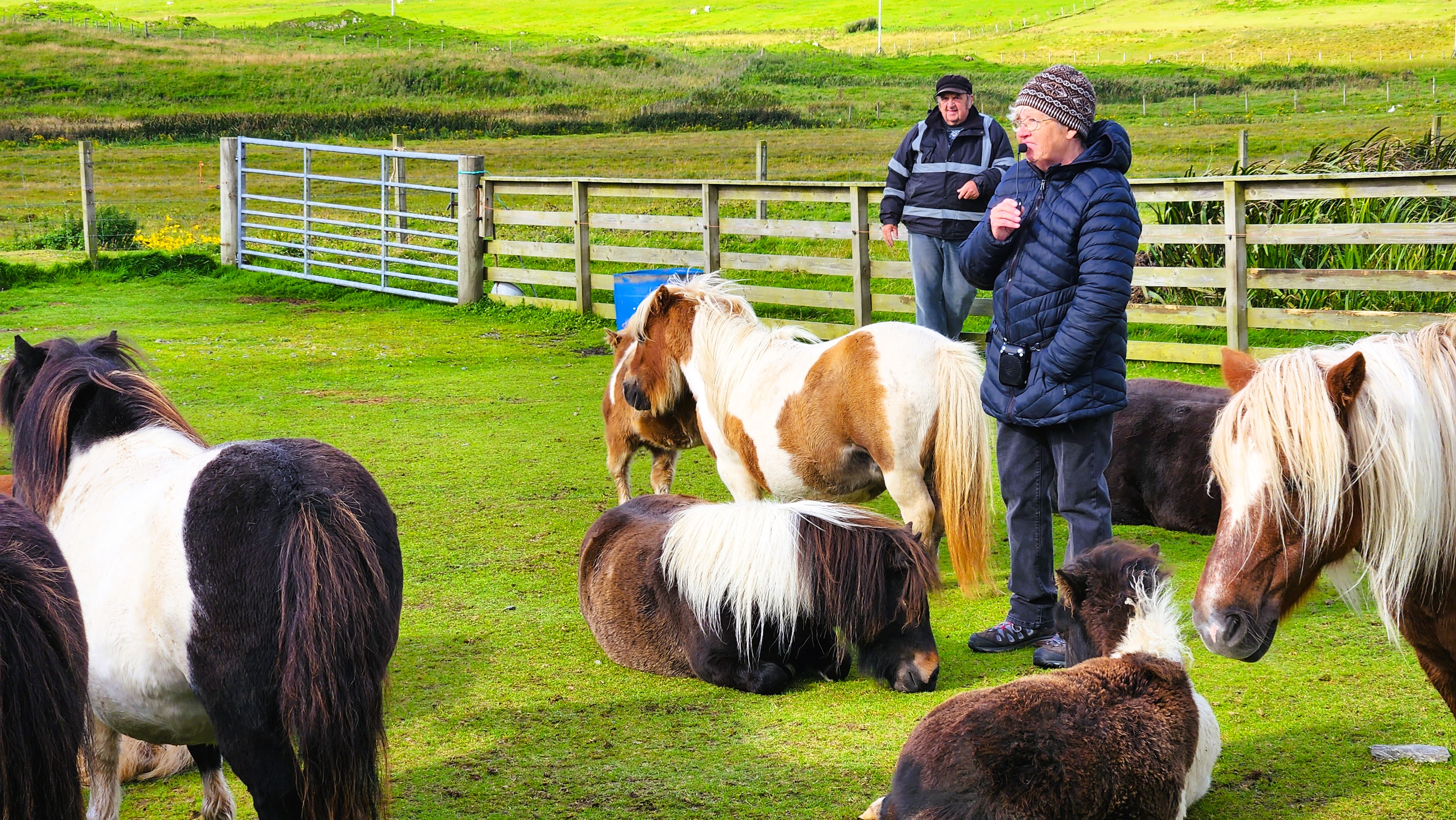
Our morning unfolded with a captivating coach tour through the storied landscapes of the Shetlands, tracing the echoes of ancient civilizations. One of the most cherished stops was Carol’s Ponies—a heartwarming highlight for anyone exploring these rugged isles. These iconic ponies, diminutive in size yet brimming with personality, offered a hands-on encounter that was both educational and endearing. We had the chance to meet, pet, and learn about this native breed from one of Carol’s passionate trainers. Adapted to the Shetlands’ unforgiving climate, these ponies boast thick, weather-resistant coats and a sturdy, low-slung build that enhances their strength and resilience. It was a memorable visit that added a touch of whimsy to our historical journey.
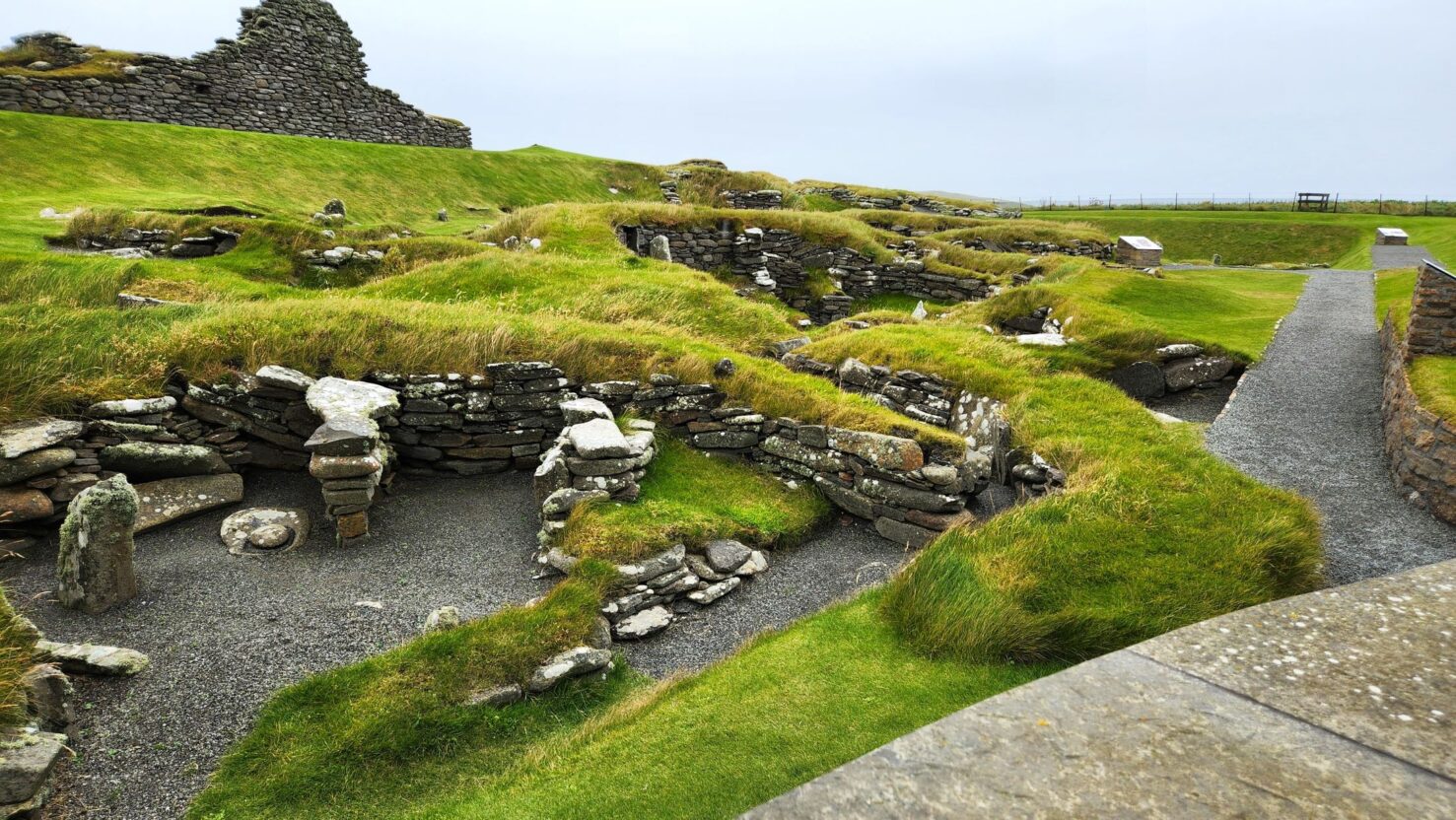
As our coach ride continued, we arrived at Jarlshof, perched above the West Bay of Sumburgh, overlooking the sea and surrounded by fertile land and freshwater springs—ideal for an ancient settlement. Jarlshof is one of the most extraordinary archaeological sites in the British Isles. It offers a breathtaking journey through over 4,000 years of human history—all layered in one compact location.
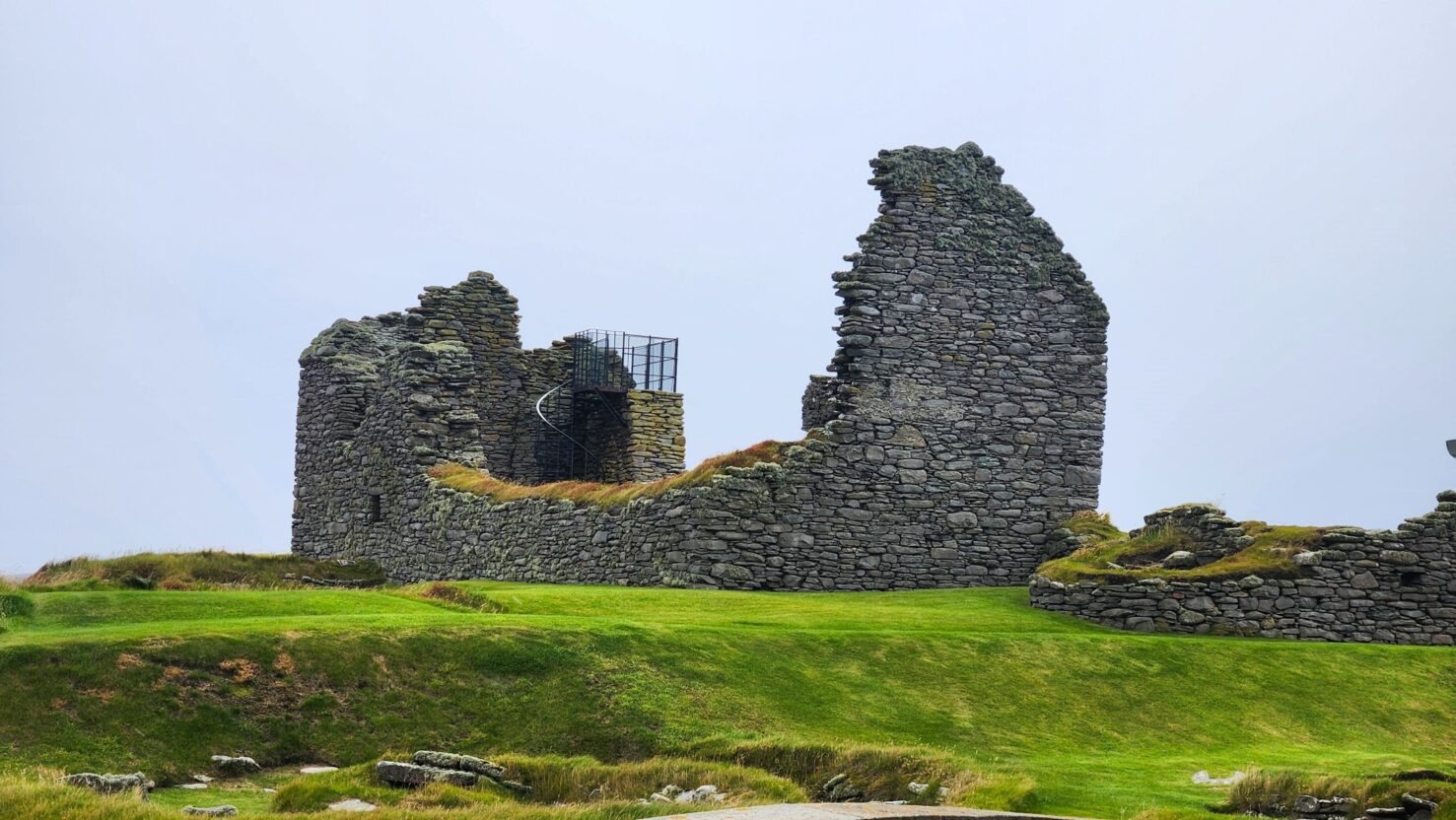
The site showcases remains from the late Neolithic period (around 2700 BC) through the Bronze Age (oval-shaped stone houses with thick walls), Iron Age (round stone tower and wheelhouses), Norse (Longhouses and tools that offer insight into Viking life), and even into the Scottish medieval period (A lord’s house from the 1500s). A compact site with thousands of years of history catalogued so well.

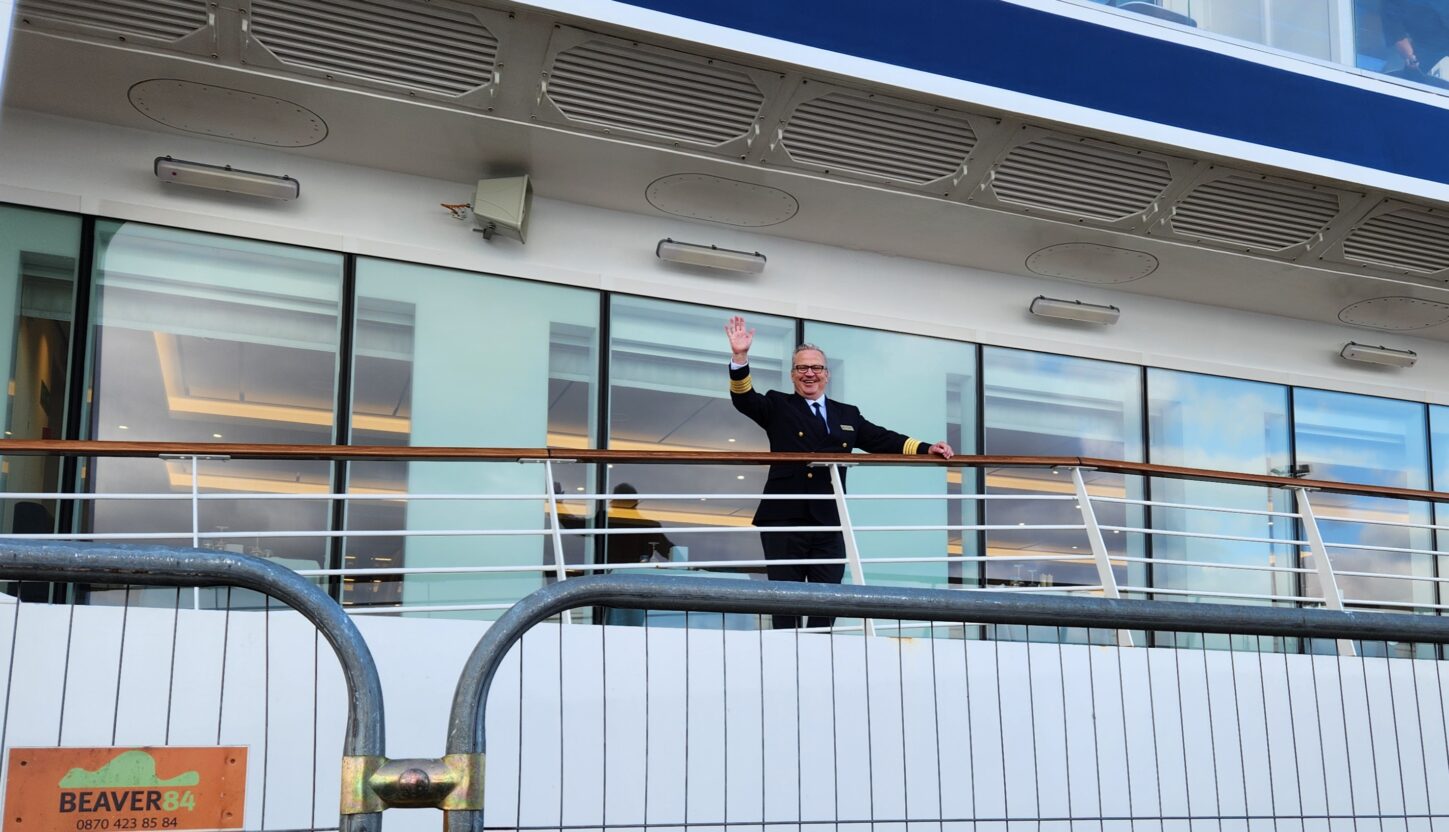
We bid farewell to the windswept charm of the Shetlands and set sail for Invergordon, a coastal gem tucked along Scotland’s northern shores. Just 15 miles north of Inverness (our ultimate destination), this harbor town is a gateway to the Highlands—and a favorite port of call for cruise ships like ours. From there, we boarded a motor coach and began a scenic inland journey, winding through rolling hills and misty glens. Our guide, bless her, spoke with the thickest Scottish brogue we’d ever encountered—each sentence a lyrical puzzle that made the ride all the more memorable.
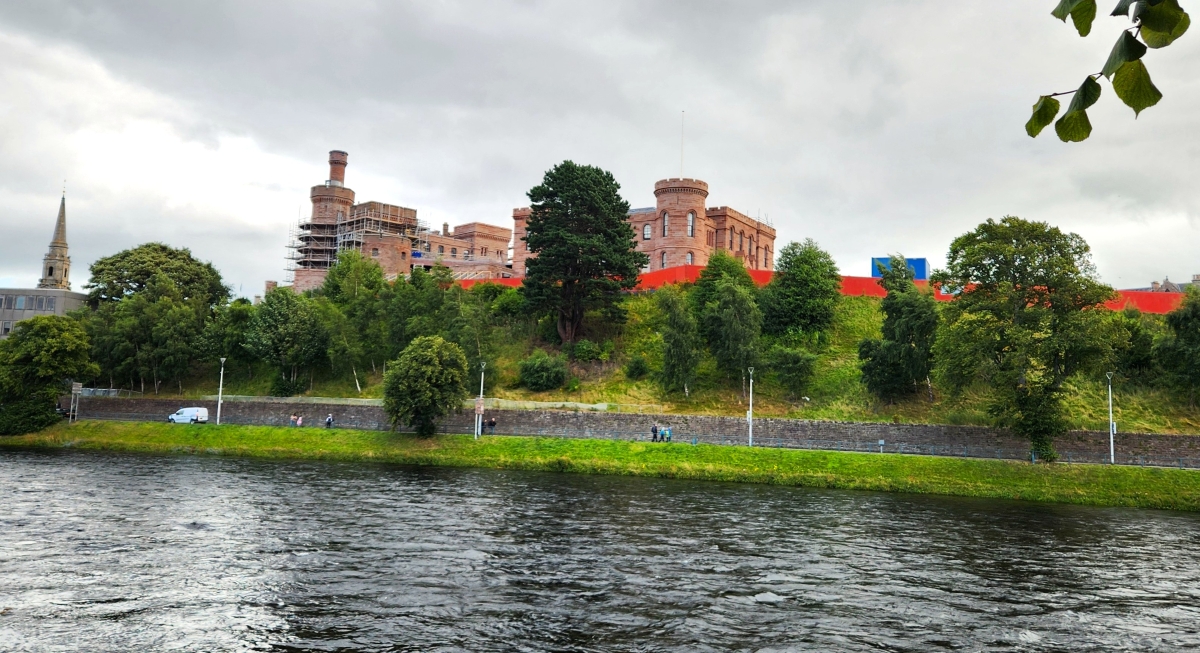
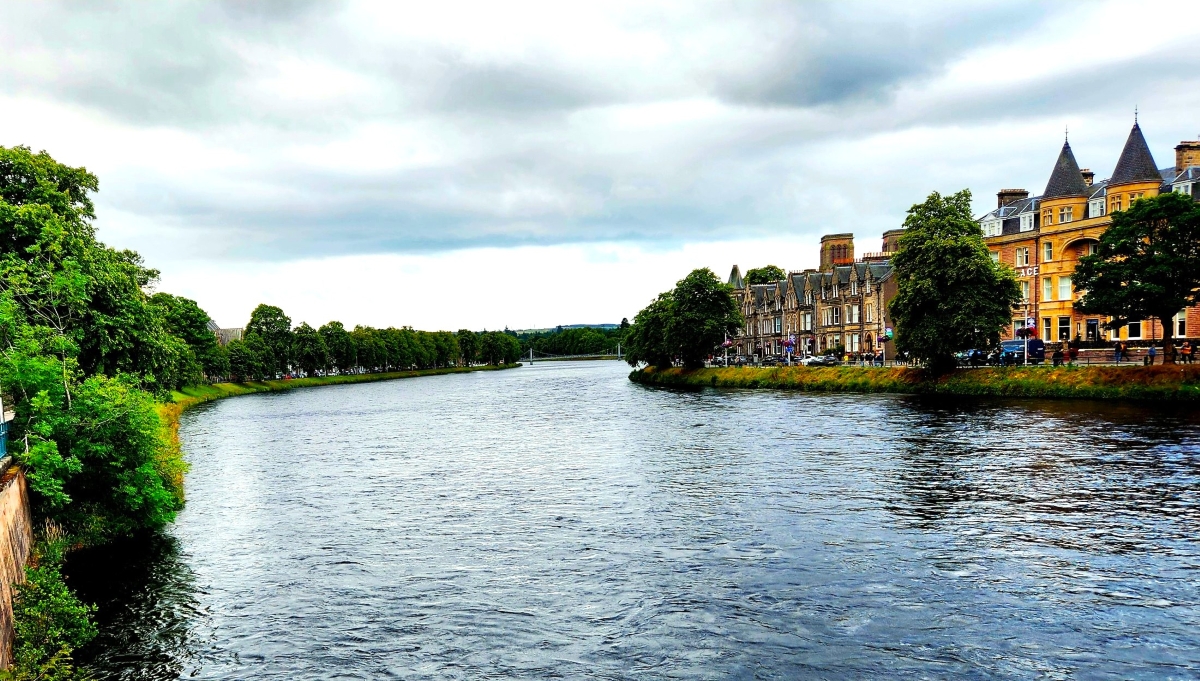
Inverness, often hailed as the “Capital of the Highlands,” greeted us with its blend of natural beauty and urban charm. Cradled at the mouth of the River Ness—whose gentle flow lends the city its name—this vibrant hub has long stood as a cultural and historical crossroads. Above the river, Inverness Castle commands the skyline, its red sandstone walls now in the midst of a transformation into a dynamic visitor experience still set to open later in 2025.
We wandered through the city’s spirited streets, where bagpipes hummed faintly in the distance and shop windows glowed with tartan treasures. Inside, we browsed for souvenir scarves woven in clan patterns, each one a thread of Scotland’s storied past, and picked up a few curated gifts for friends awaiting tales from our Highland adventure.
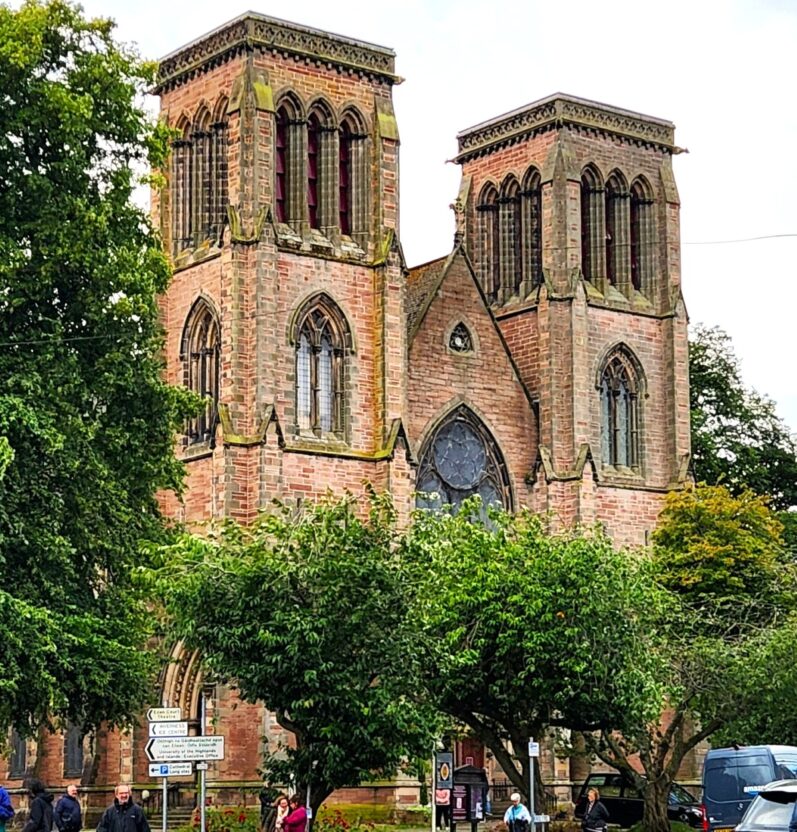
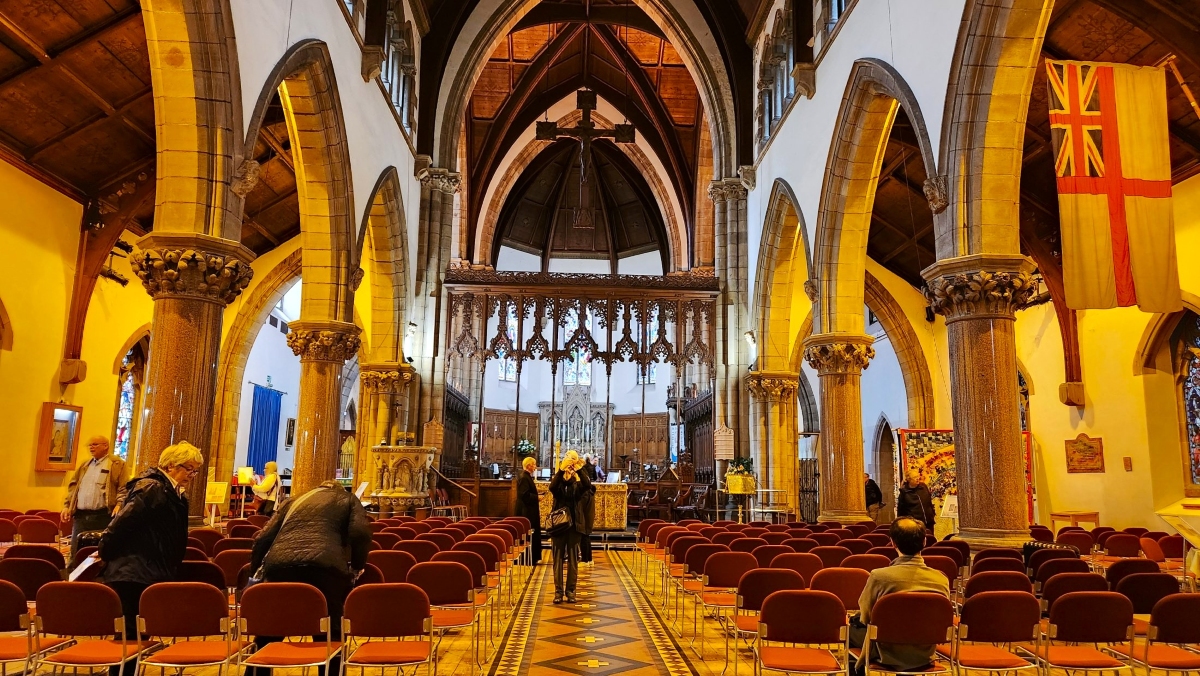
The next morning, we glided into Rosyth Harbor—a tranquil yet strategically vital port nestled along the shimmering expanse of the Firth of Forth (a Firth is technically a fjord). Just 10 miles northwest of Edinburgh, it served as our gateway to Scotland’s legendary capital. As our ship gently docked, the coastline unfurled before us like a living postcard: rolling hills kissed by morning mist, and distant spires hinting at the medieval allure and cultural vibrancy that lay ahead. The air carried a quiet excitement, as if the land itself was whispering stories of its thousands of years of history.
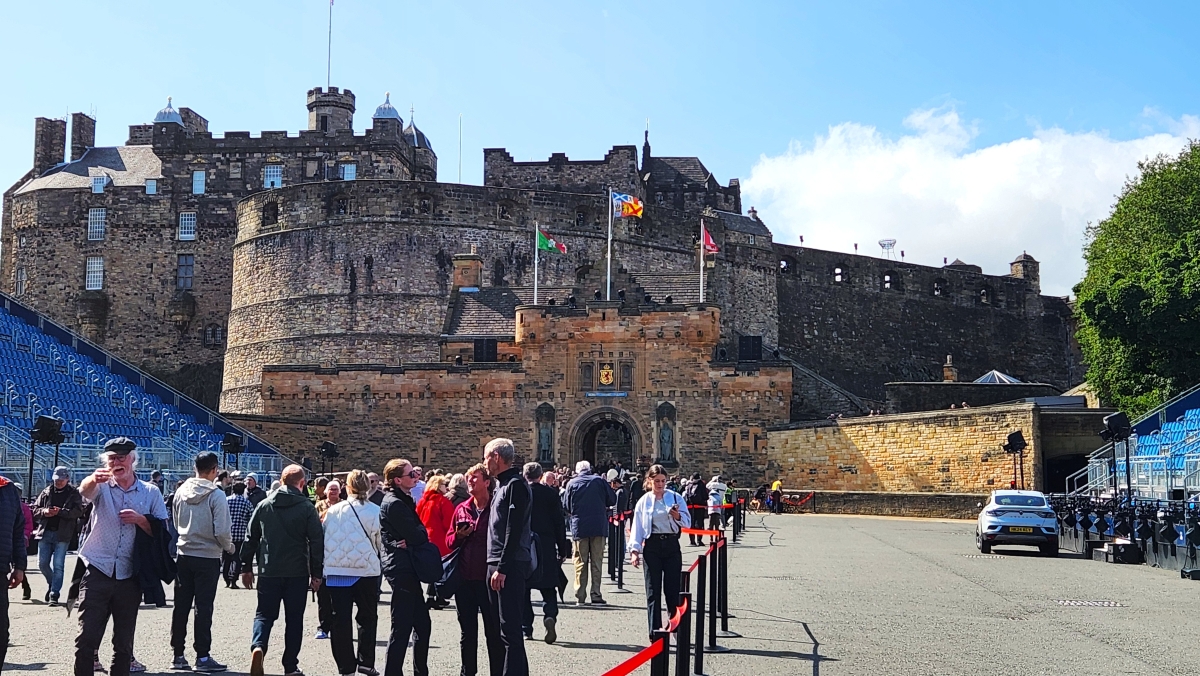
Stepping into Edinburgh’s Old Town felt like crossing a threshold between centuries. Cobbled streets twisted through time, flanked by weathered stone buildings that leaned in like old storytellers eager to share their secrets. The Royal Mile stretched ahead, connecting the grandeur of Edinburgh Castle to the stately Palace of Holyrood house. Every step echoed with the footfalls of philosophers, poets, and revolutionaries.
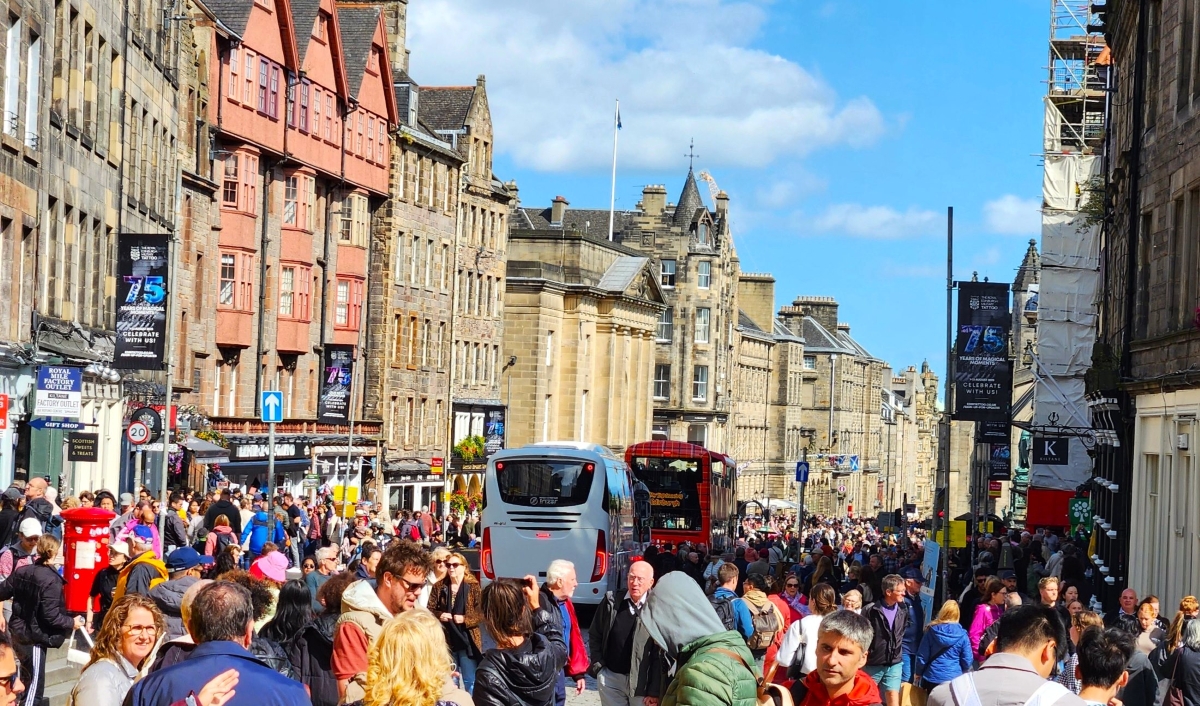
Street performers played bagpipes beneath Gothic spires, their music mingling with the scent of roasted nuts and rain-soaked stone. We paused often, drawn into hidden closes (a narrow passageway or alleyway) where whispers of the past lingered like mist. Here, history wasn’t confined to museums—it pulsed through the very air, inviting us to listen, to feel, to imagine. We were fortunate to be there during the Fringe Festival which occurs for 3 weeks every August. Established in 1947, the festival welcomes an explosion of creative energy from around the globe. Artists and performers present shows that span many genres including cabaret, children’s shows, comedy, dance, physical theatre, circus, music, musicals, opera and theatre. There are hundreds of free street performances and also ticketed events costing £5 to £20.
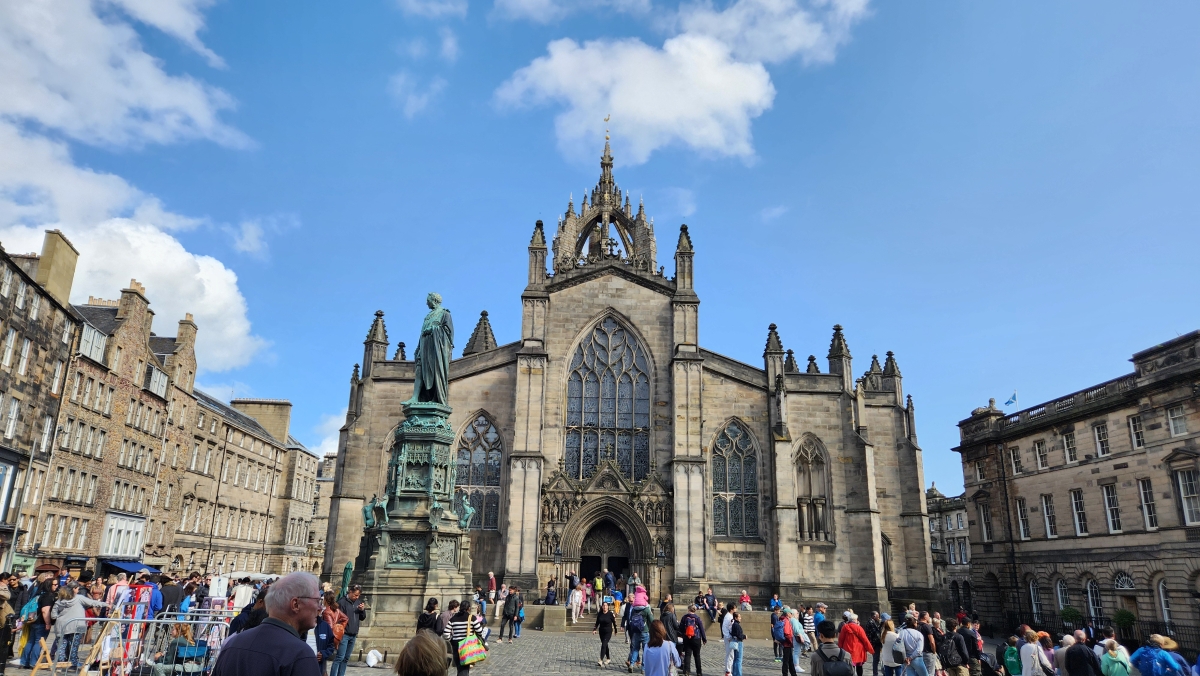
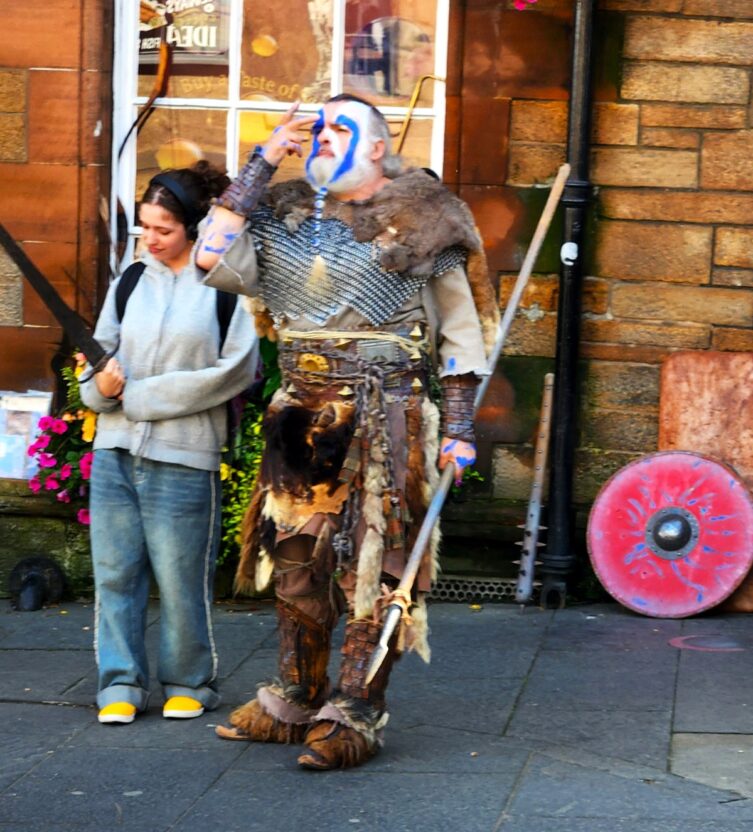
Our brief stay in Edinburgh came quickly to a close making us promise each other that we must return to ‘Auld Reekie’ and stay for a couple days as we had only tasted the grandeur that was Edinburgh, the ‘Athens of the North’.
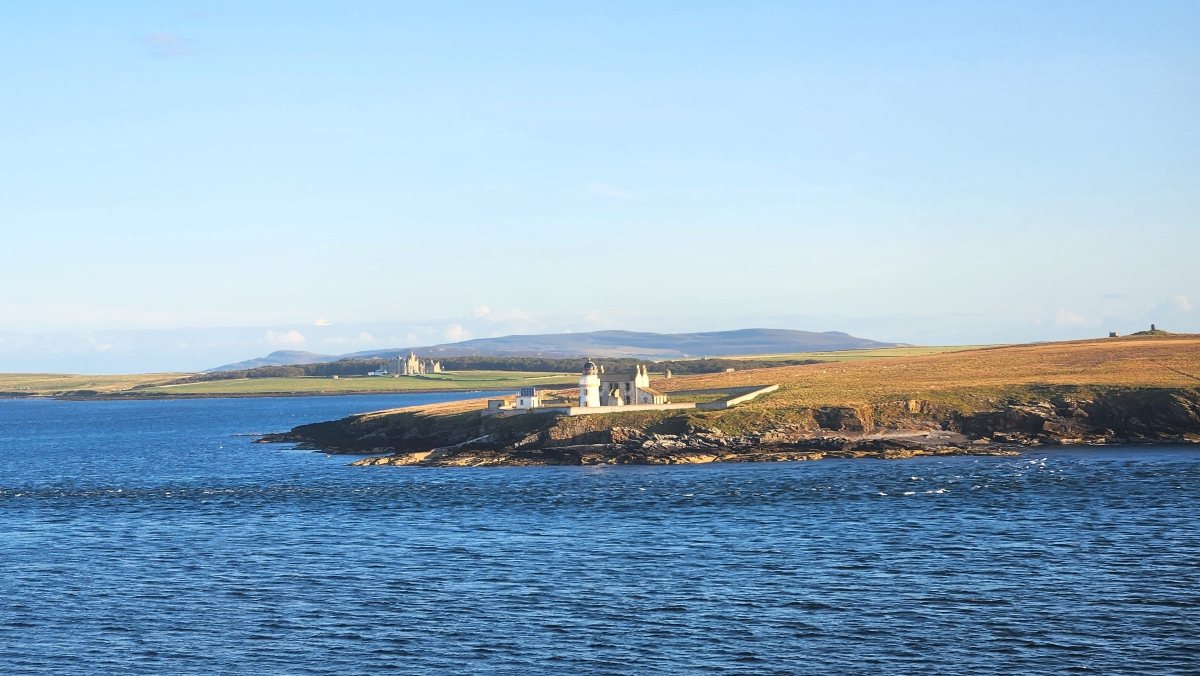
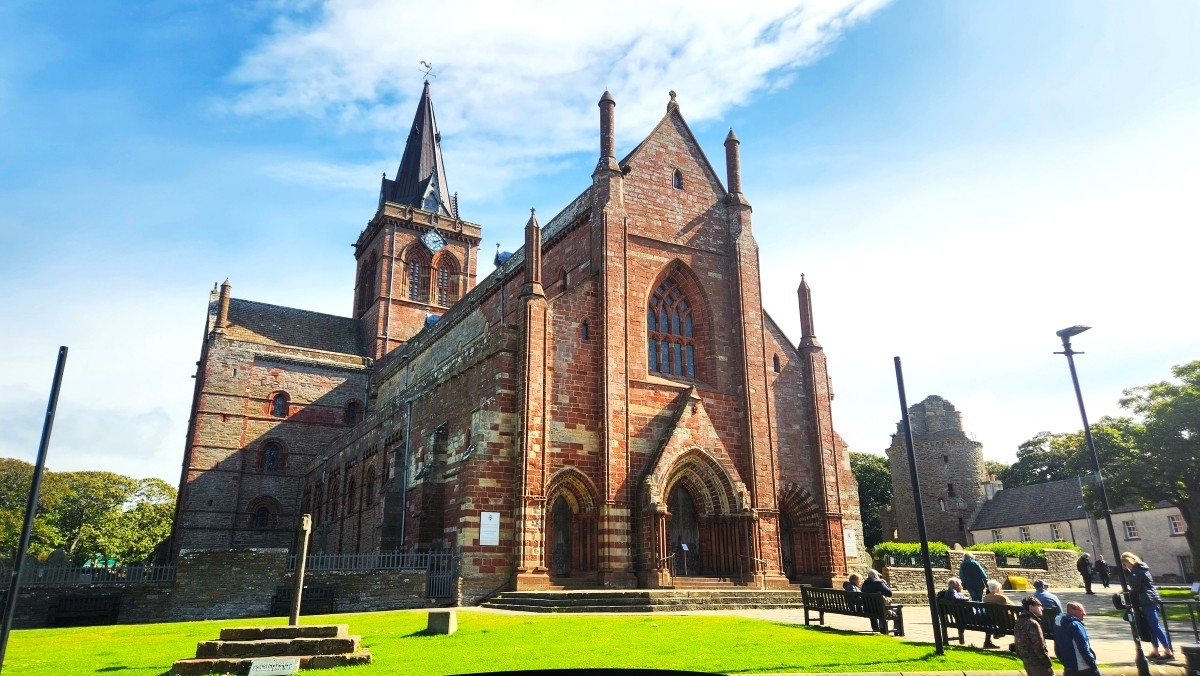
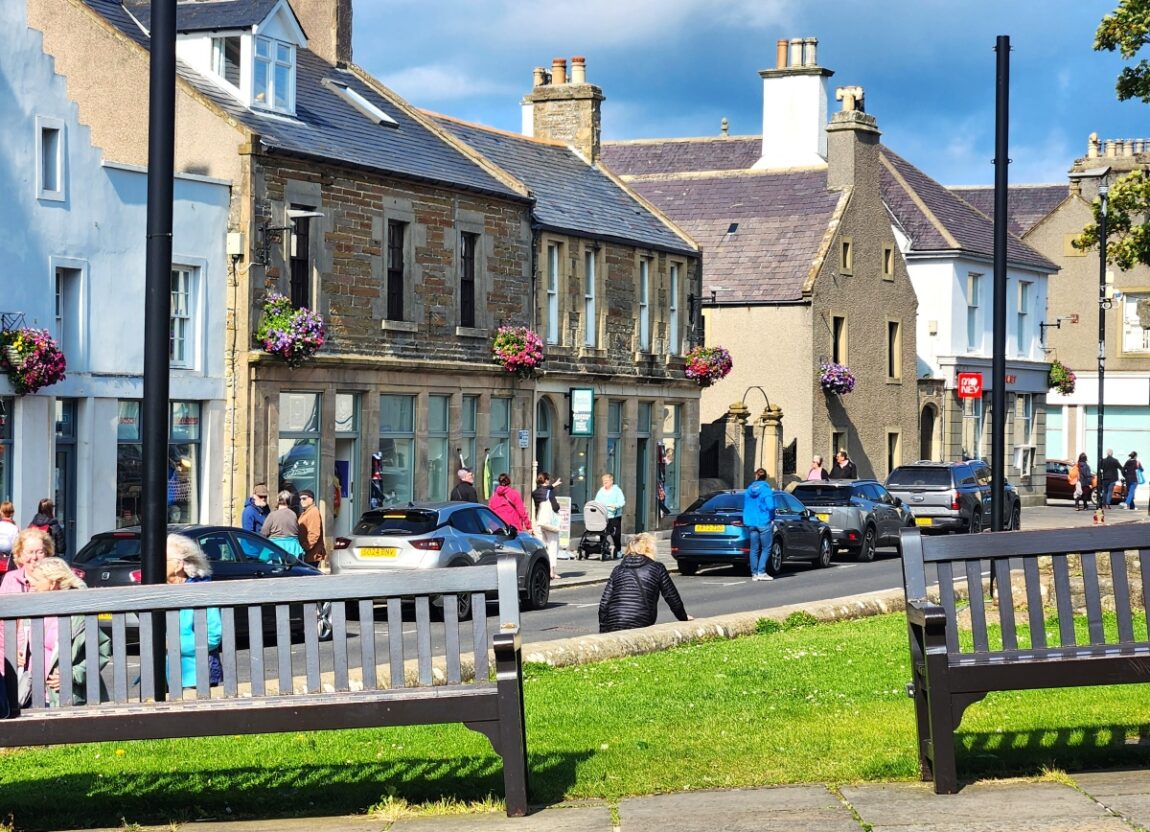
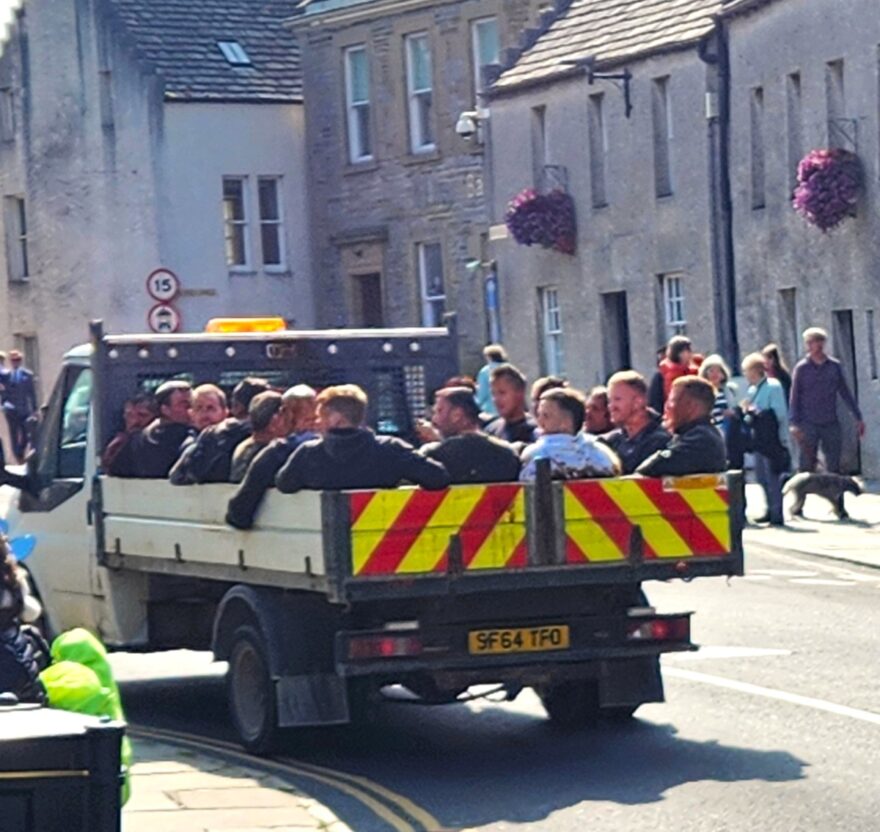
After steaming overnight, we found ourselves in Kirkwall. Nestled on the windswept shores of Mainland Orkney, the main island of the archipelago off Scotland’s northern coast, Kirkwall feels like a place where time folds in on itself. Its name—Kirkjuvágr, or “Church Bay” in Old Norse—whispers of Viking longships and medieval pilgrims. At the heart of town stands the majestic St Magnus Cathedral, its rose-red sandstone glowing against the northern sky, a beacon of faith and fortitude since the 12th century. Kirkwall streets were awakened by the joy filled sounds of bachelors and bachelorettes riding in the bed of a truck, anticipating the nuptials at St. Magnus later that day.
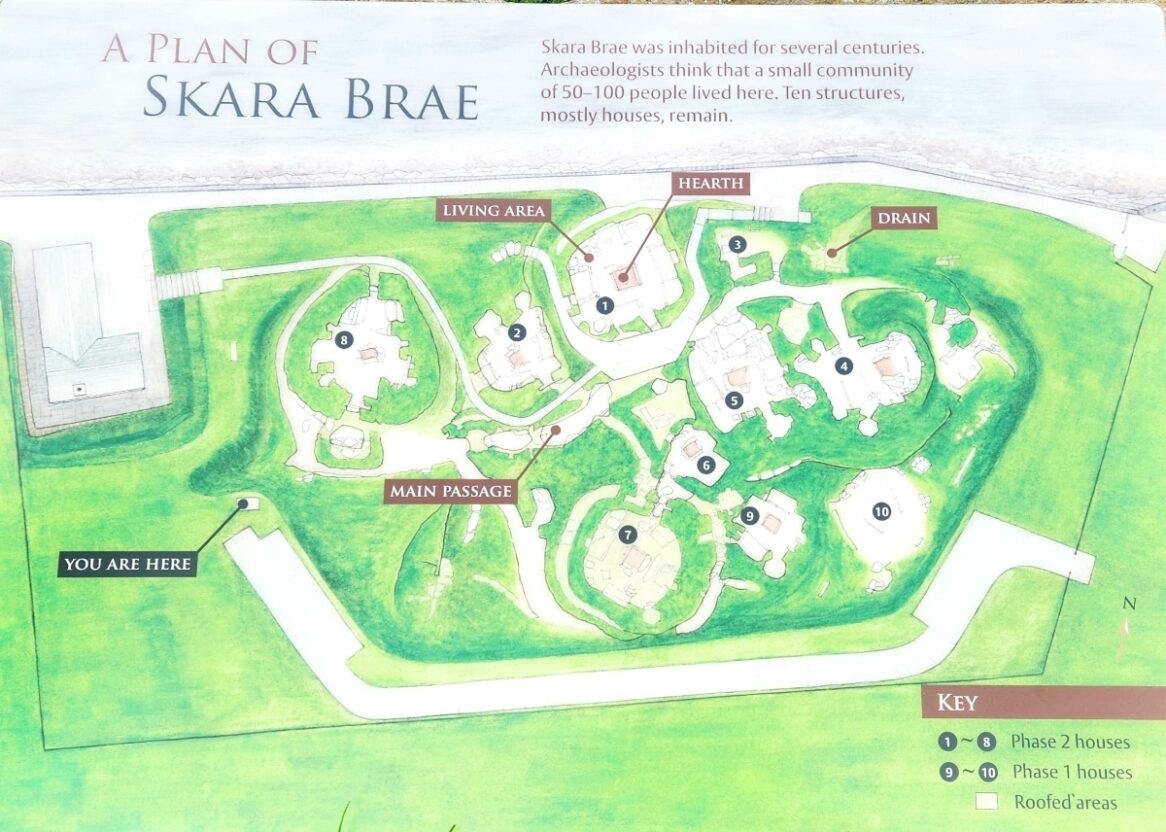
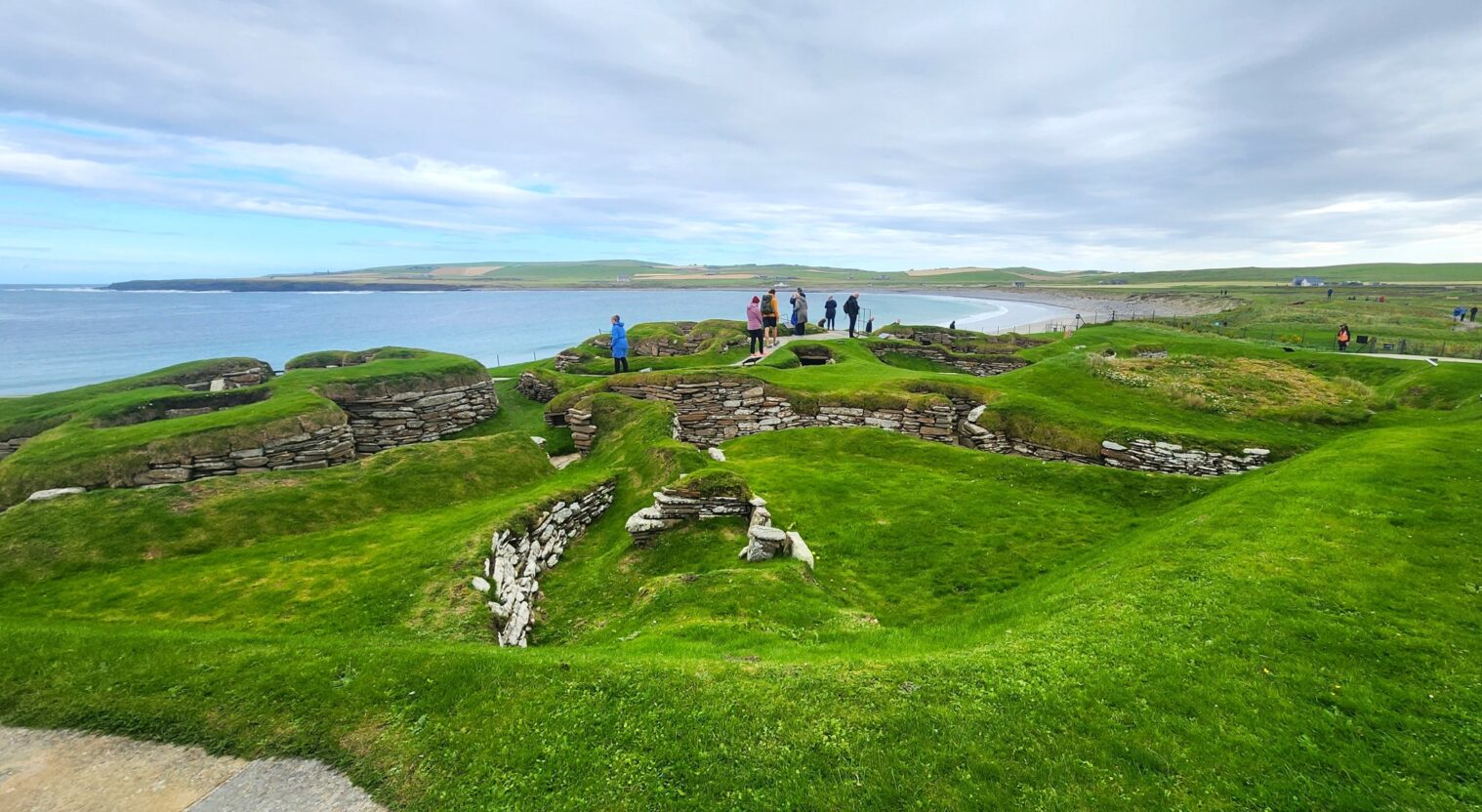
We, again, boarded a motor coach to explore Skara Brae one of Europe’s most fascinating prehistoric sites—a Neolithic village perched on the rugged coast of Orkney, Scotland. Dating back to around 3180 BC and inhabited until roughly 2500 BC, it predates both Stonehenge and the Great Pyramids of Giza. Hidden beneath sand for centuries, it was revealed in 1850 when a powerful storm stripped away the earth, exposing remarkably intact stone homes. Often dubbed the “Scottish Pompeii,” Skara Brae offers a rare glimpse into daily life nearly 5,000 years ago.
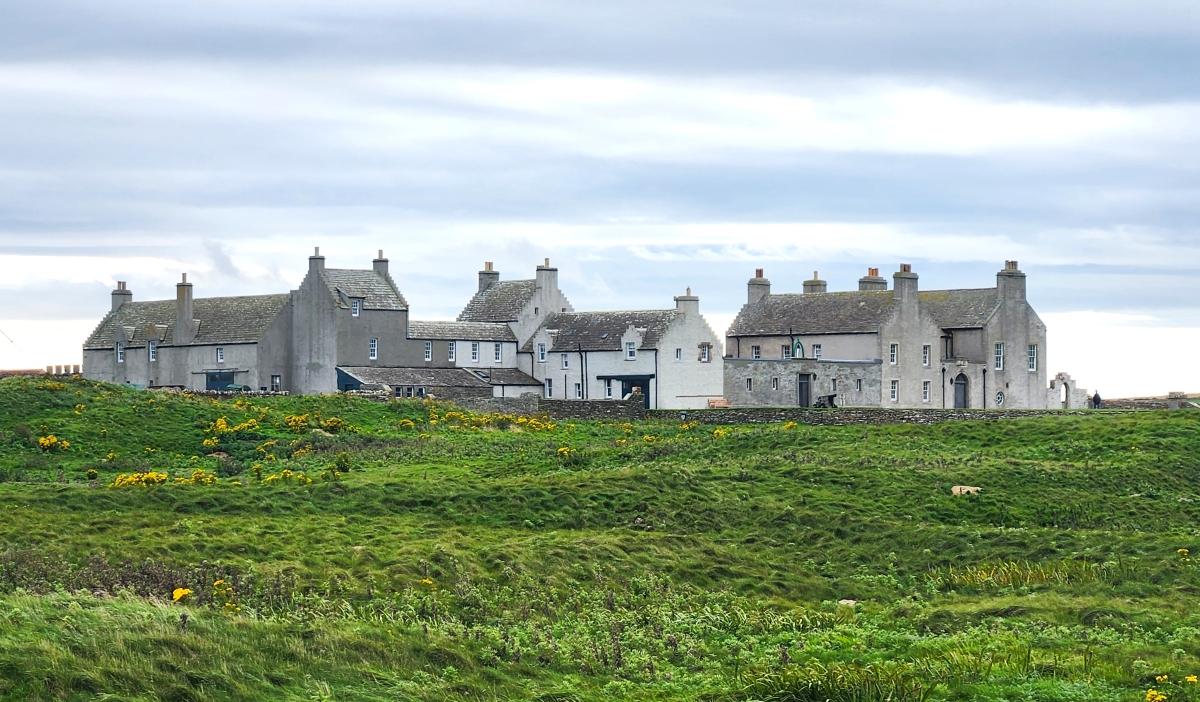
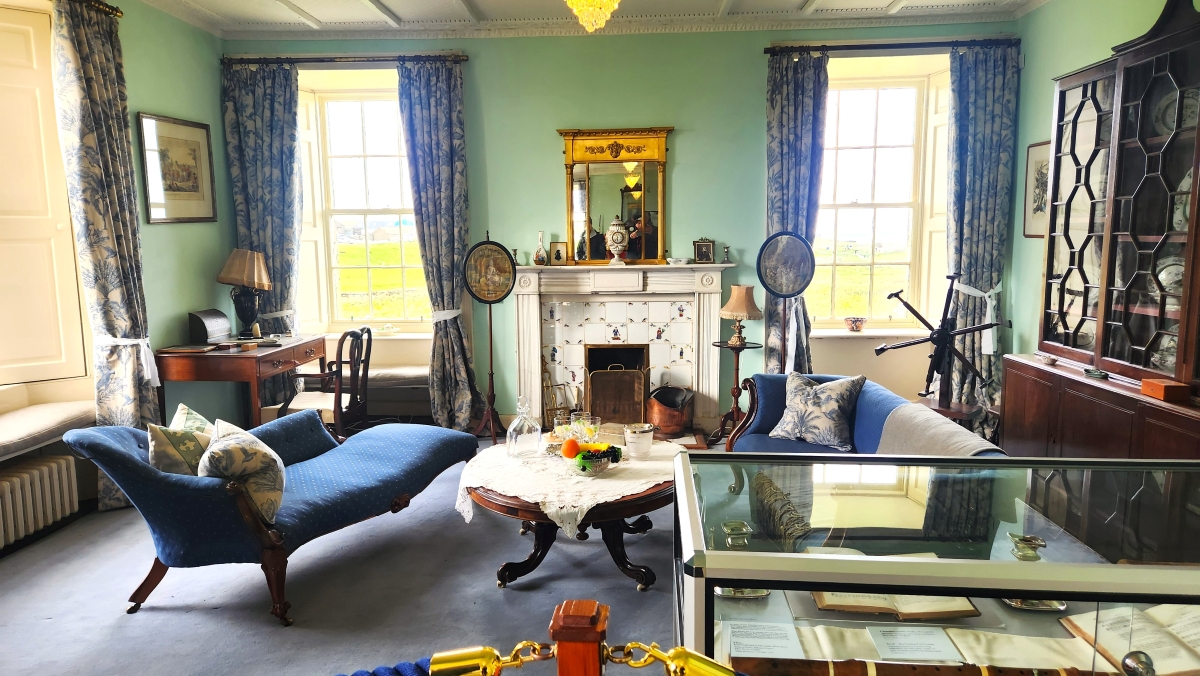
Just a short walk from Skara Brae lies Skaill House, a well-preserved 17th-century mansion in Sandwick. Built in 1620 by Bishop George Graham, after the land was granted to the Bishopric following the execution of the 2nd Earl of Orkney, the house reflects the area’s layered history. Its name, “Skaill,” comes from the Old Norse word for “hall,” a nod to Orkney’s Viking roots. Over the centuries, it’s been expanded by generations of lords and now stands as the most complete example of a 17th-century country house in Orkney.
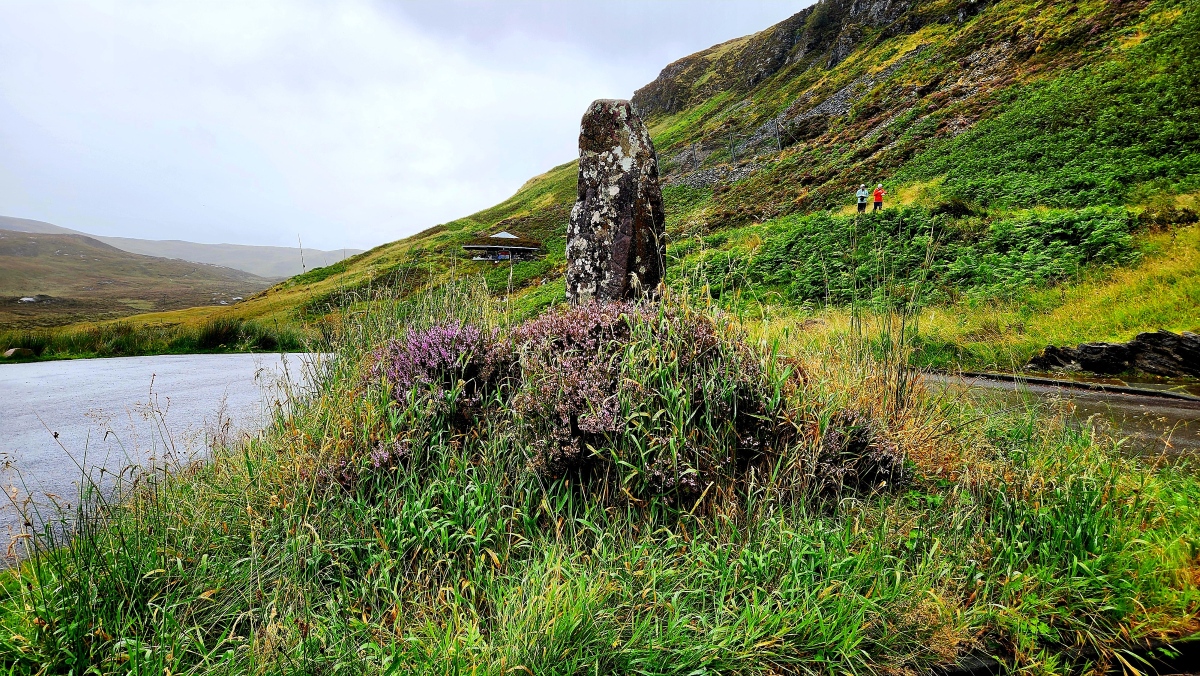
Leaving Skaill House, we passed the Standing Stones of Stenness, near the village of Sandwick. These towering stones are among the oldest and most important Neolithic monuments in Britain. Built around 3100 BC, they may be the earliest henge, a circular or oval-shaped earthwork, in the country. Originally a circle of 12 massive stones, now only four remain, each up to 6 meters tall. The stones were arranged in an elliptical circle, surrounded by a ditch and bank, with a central hearth—suggesting ceremonial use. The site is wrapped in legend, with ancient traditions still echoing in local culture today.

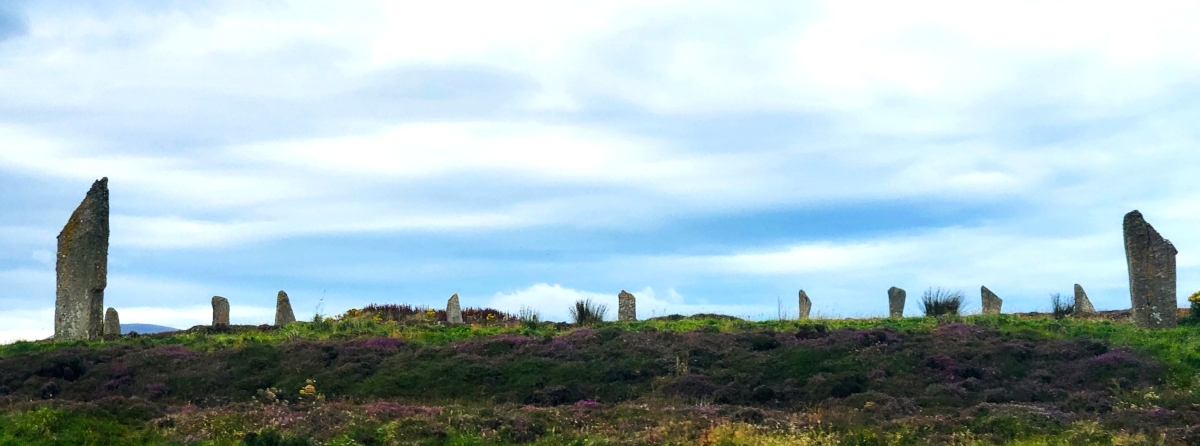
Nearby is the the Ring of Brodgar (or Brogar, or Ring o’ Brodgar), a Neolithic henge and stone circle. It is the only major henge and stone circle in Britain which is an almost perfect circle. Originally made up of up 60 stones, only 27 stones remains. Uncertainy surrounds its dating but is thought to have been erected between 2500 BCE and 2000 BC.
Whether you’re drawn by history, architecture, or the quiet power of ancient landscapes, Orkney offers a journey through time that’s both humbling and unforgettable.
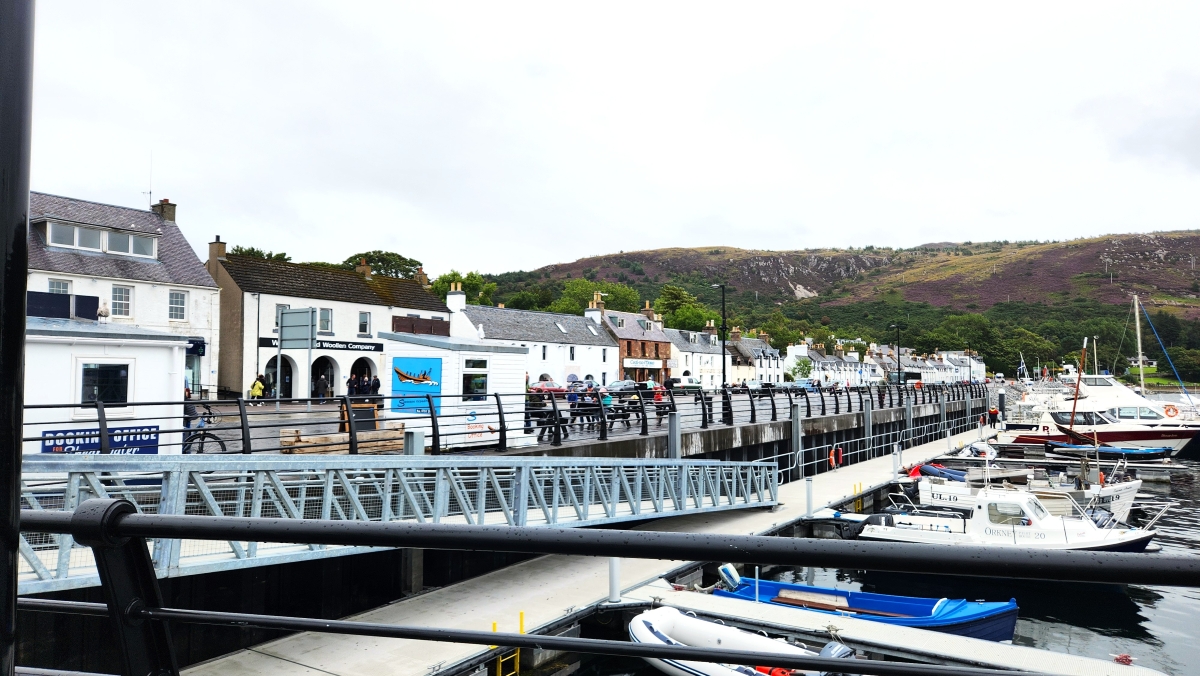
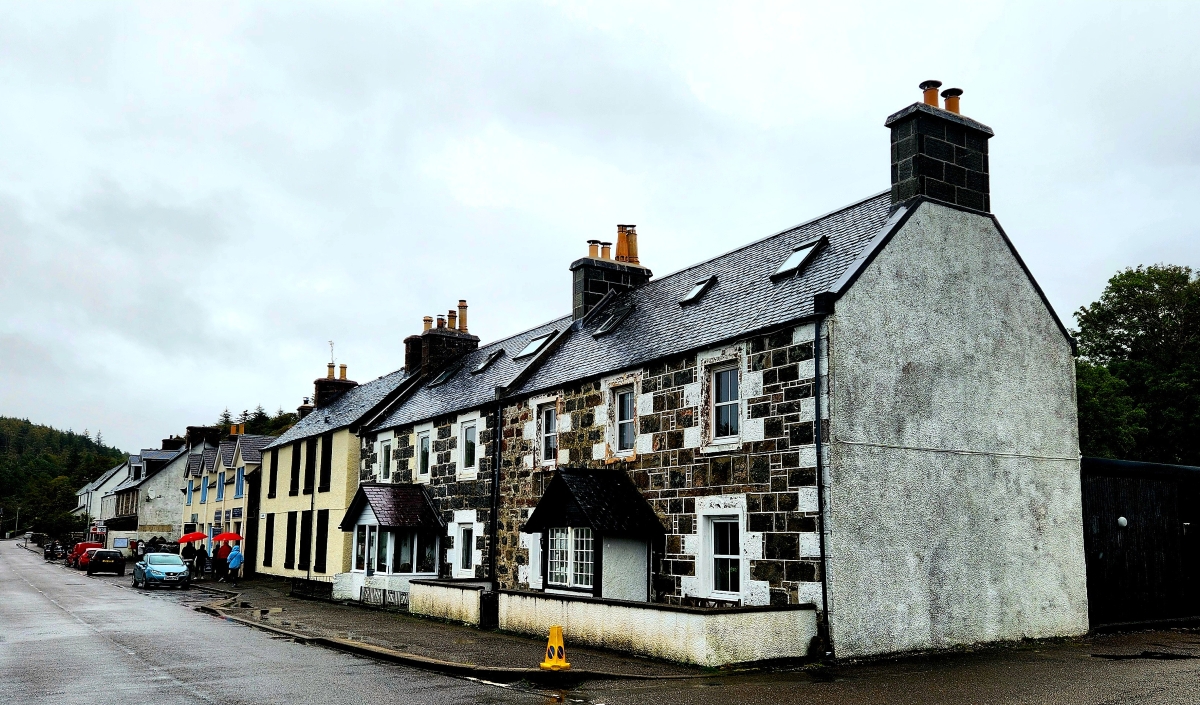
Nestled on the shores of Loch Broom, Ullapool is a picturesque fishing village in Wester Ross, often hailed as one of the most scenic stops along Scotland’s famed North Coast 500 route. Whitewashed cottages line the waterfront, and fishing boats bob gently in the harbor, framed by the brooding hills beyond. We wandered through the few open shops, drawn by the quiet charm and the promise of local finds. In one, we discovered Clark Tartan scarves — a nod to Linda’s heritage. We picked up several, gifts for her Clark family members, each one a soft thread connecting past to present.
We motor coached through the countryside from Ullapool toward Lochinver, through the passing moorland. Sheep dotted the hillsides like scattered wool, and waterfalls tumbled down rock faces. Lochinver, when we arrived, felt like the edge of the world — a small harbor town cradled by mountains and sea. The scent of salt and peat lingered in the air.
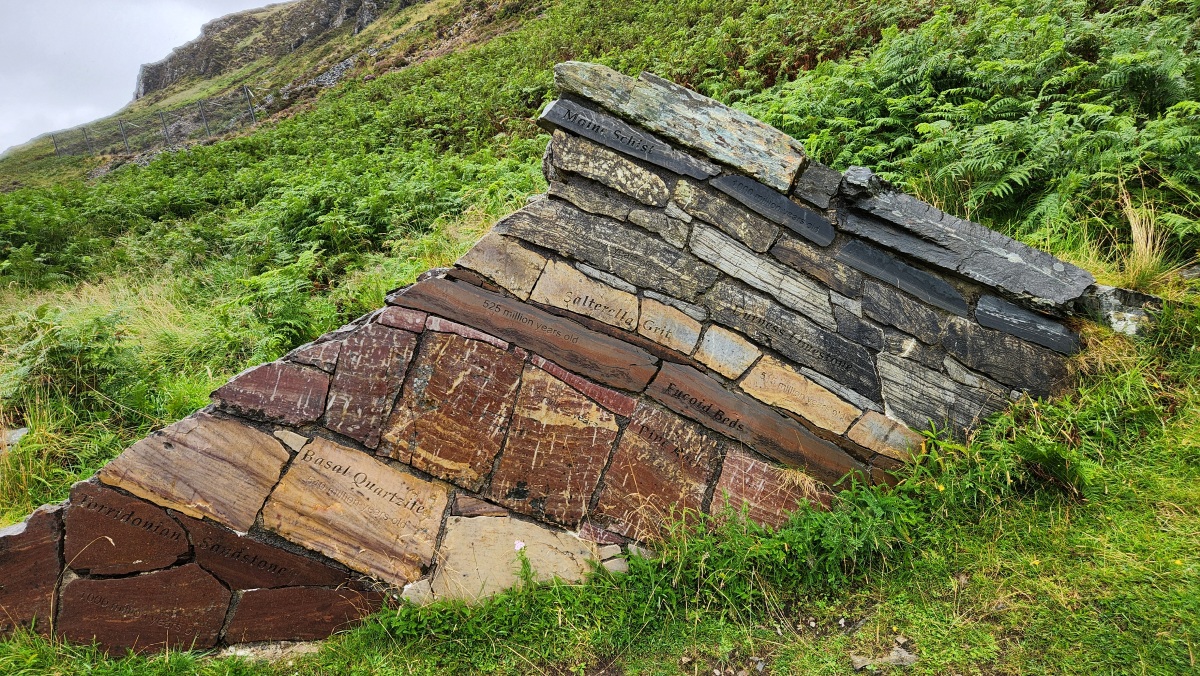
We also made a stop at North West Highlands Geopark where we got to explore the results of tectonic plates crashing together. In the heart of the Geopark, we stood at Knockan Crag National Nature Reserve — a place where the Earth’s ancient violence is etched into stone. Here, the Moine Thrust reveals the staggering force of two continents colliding over 400 million years ago. Layers of rock, once thought to be in perfect order, are flipped and folded in defiance of logic, telling a story that rewrote geological science.
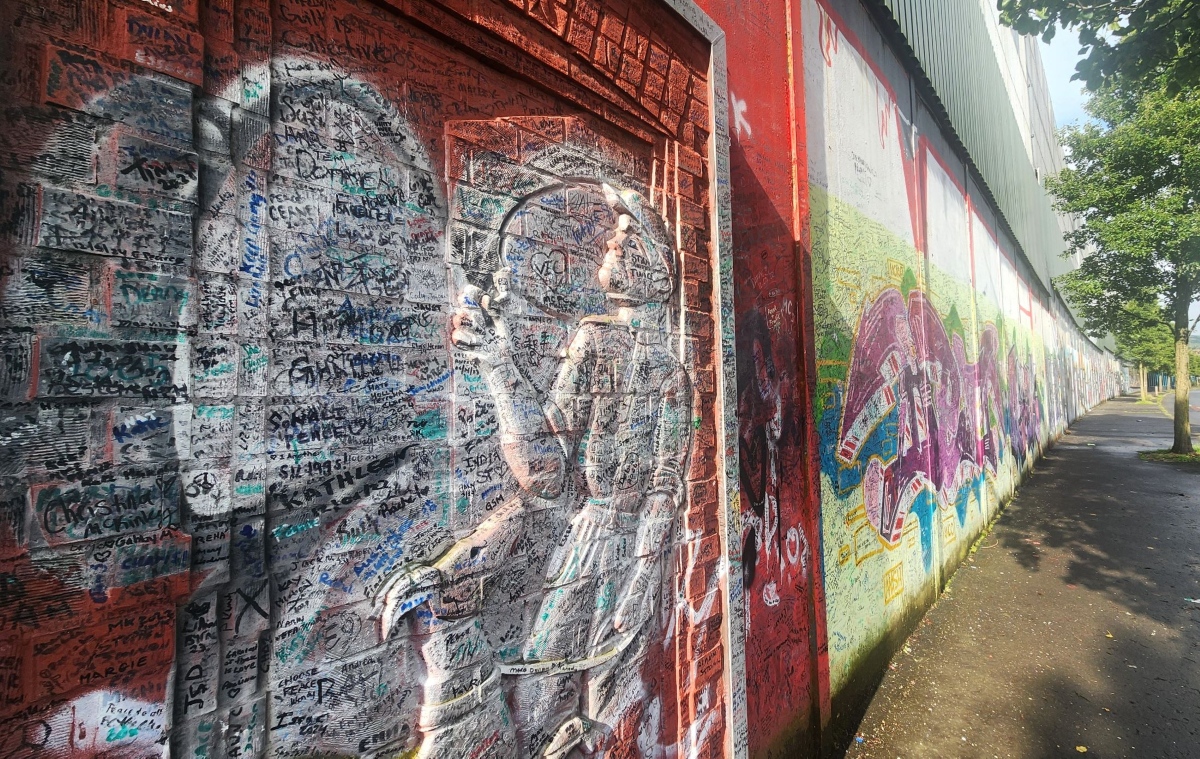
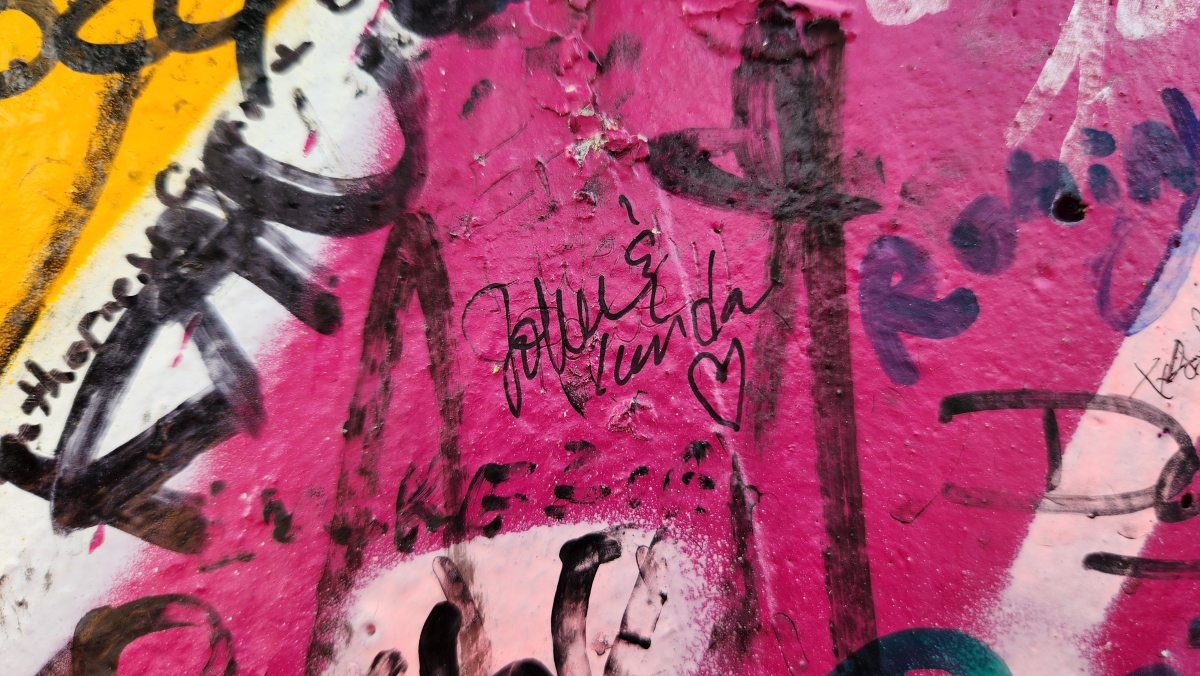
Our next port call was Belfast, the capital of Northern Ireland, a city where history, creativity, and resilience converge. Once the engine room of the British Empire’s shipbuilding might, it now pulses with a renewed energy — a place where Victorian grandeur meets modern innovation, and where every street corner seems to whisper a story. We visited one of the city’s peace walls, which were built starting in 1969 to separate Catholic and Protestant communities during The Troubles. Our names now imprinted there.
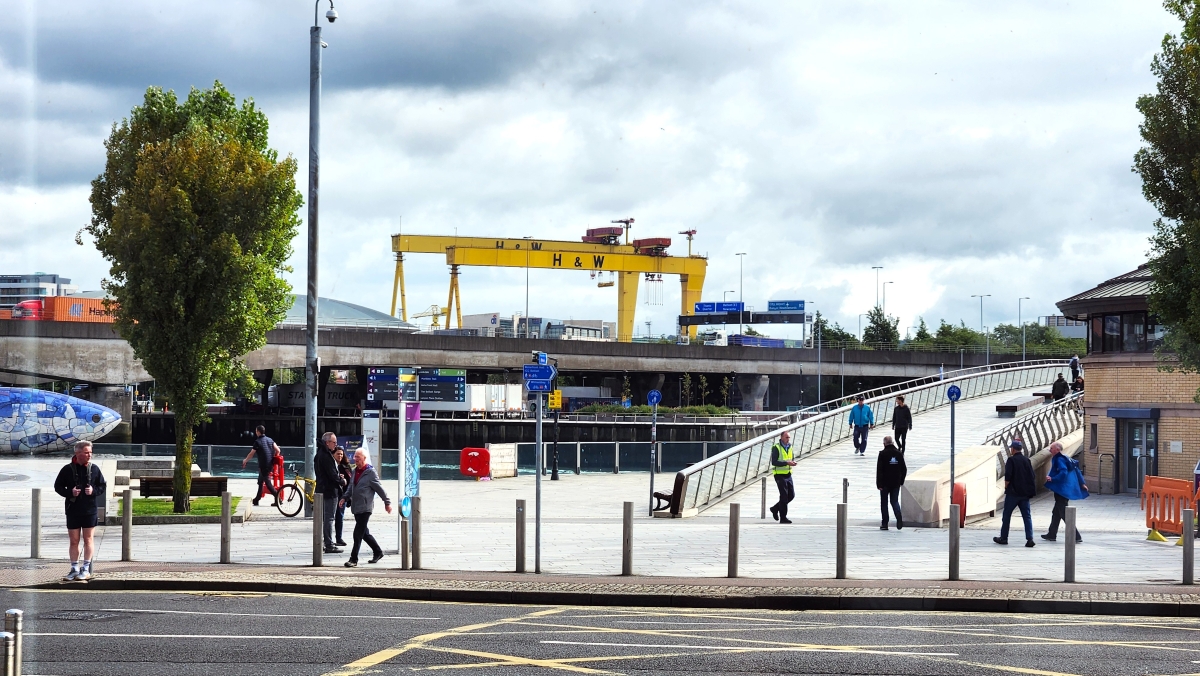
At the heart of Belfast’s maritime legacy lies the Harland & Wolff shipyard, where the ill-fated RMS Titanic was built. Today, the award-winning Titanic Belfast Museum stands as a striking architectural tribute to the ship and the city that built her.
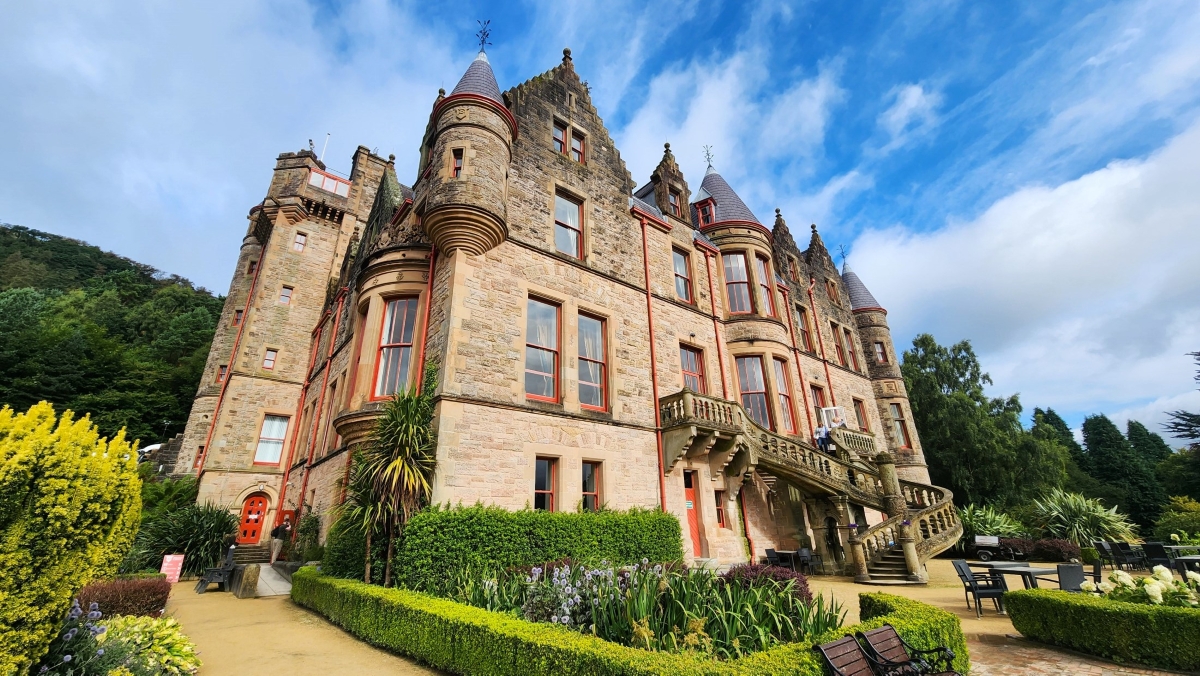
Perched high on the slopes of Cave Hill, Belfast Castle commands sweeping views over the city and Belfast Lough. Built in the 19th century in the Scottish Baronial style, the castle is more than just a picturesque landmark — it houses a visitor center, an antiques shop, and a charming café. The surrounding Cave Hill Country Park offers scenic walking trails that wind through woodlands and past curious rock formations, including the famous “Napoleon’s Nose,” said to have inspired Jonathan Swift’s Gulliver’s Travels.
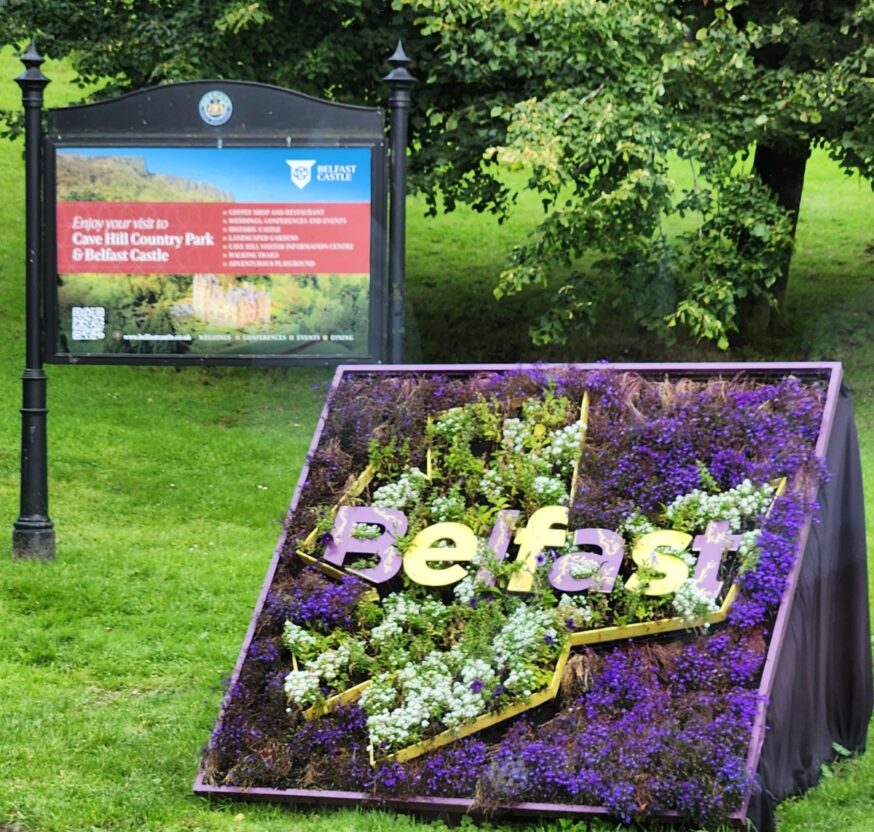
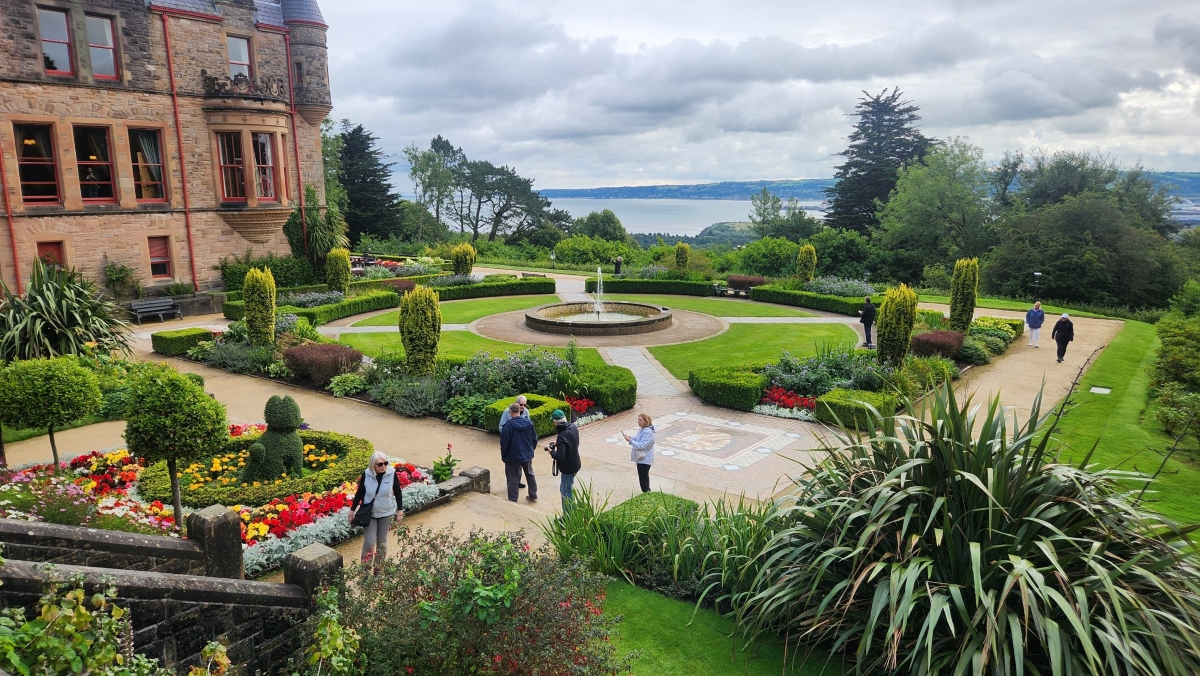
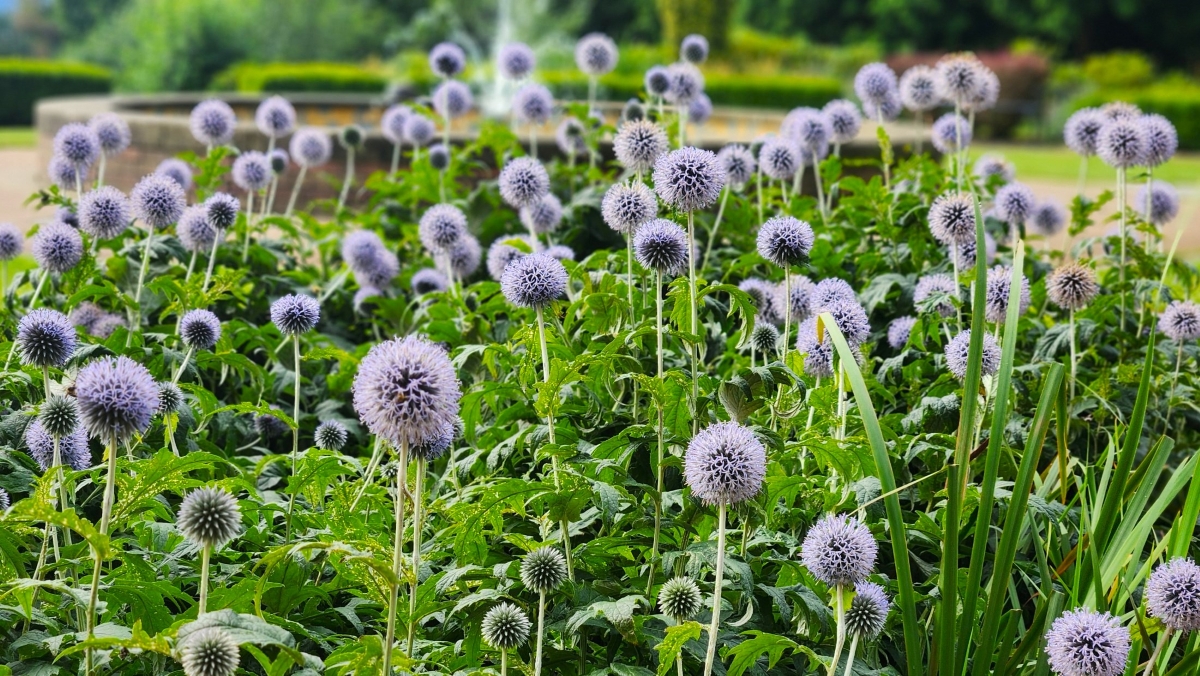
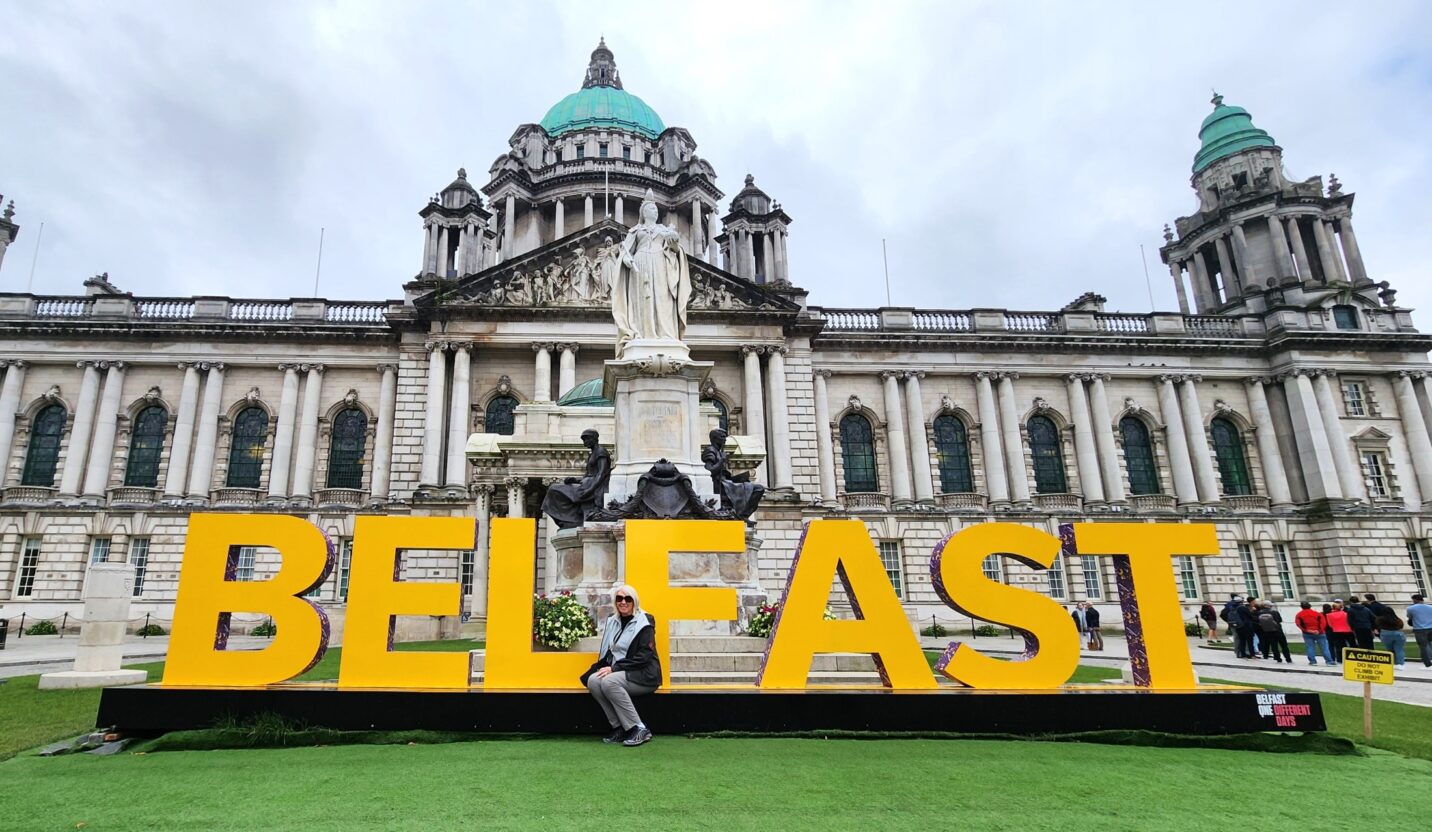
The photographer on the other side of the camera at Bellfast City Hall. (J.Compisi)
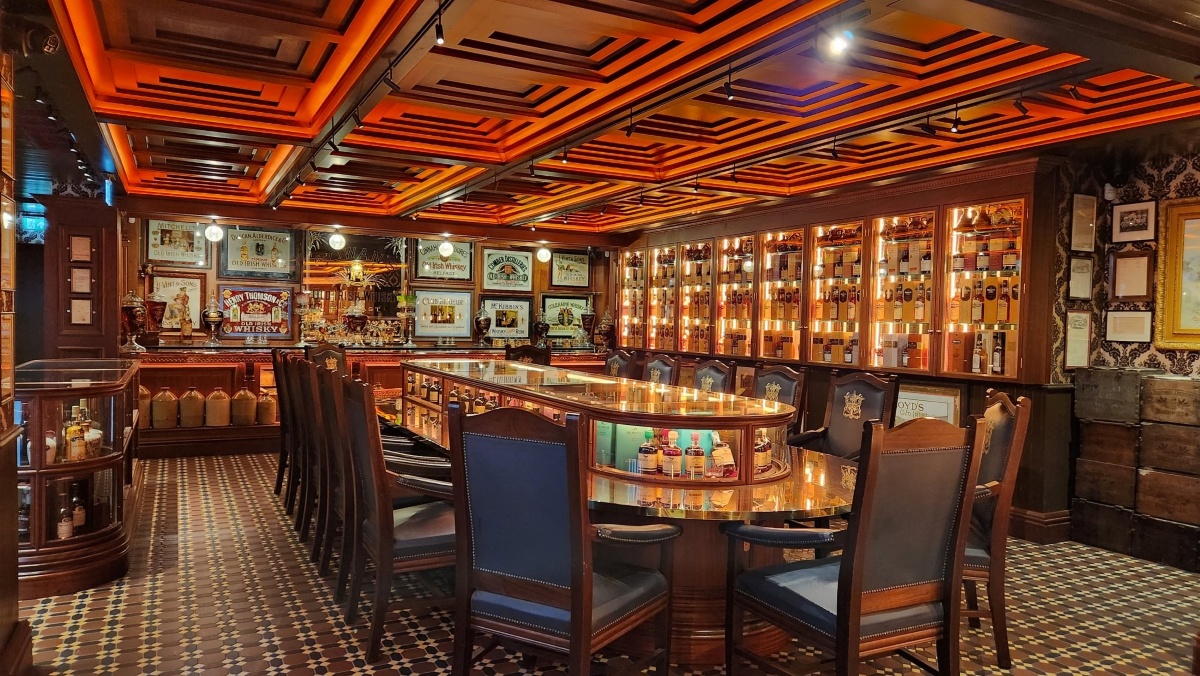
In the warm glow of a local pub, we joined an Irish whiskey tasting that was as much about storytelling as it was about flavor. Three distinct whiskeys — each with its own character — were paired with small bites that complemented their flavor and aroma notes. A creamy blue cheese brought out the smoky depth of one; dark chocolate highlighted the spice in another; and a sliver of smoked salmon danced with the smoothness of a third. Through engaging exhibits and guided tastings, visitors explore the rise, fall, and revival of Irish whiskey — a drink that once ruled the world and now flows again with pride. It’s history you can sip, and we did.


After that experience, we also visited the Friend at Hand, Irish Whiskey Museum while in Belfast. A unique blend of whiskey shop and mini museum, showcasing over 600 Irish whiskeys — many of which are not for sale.
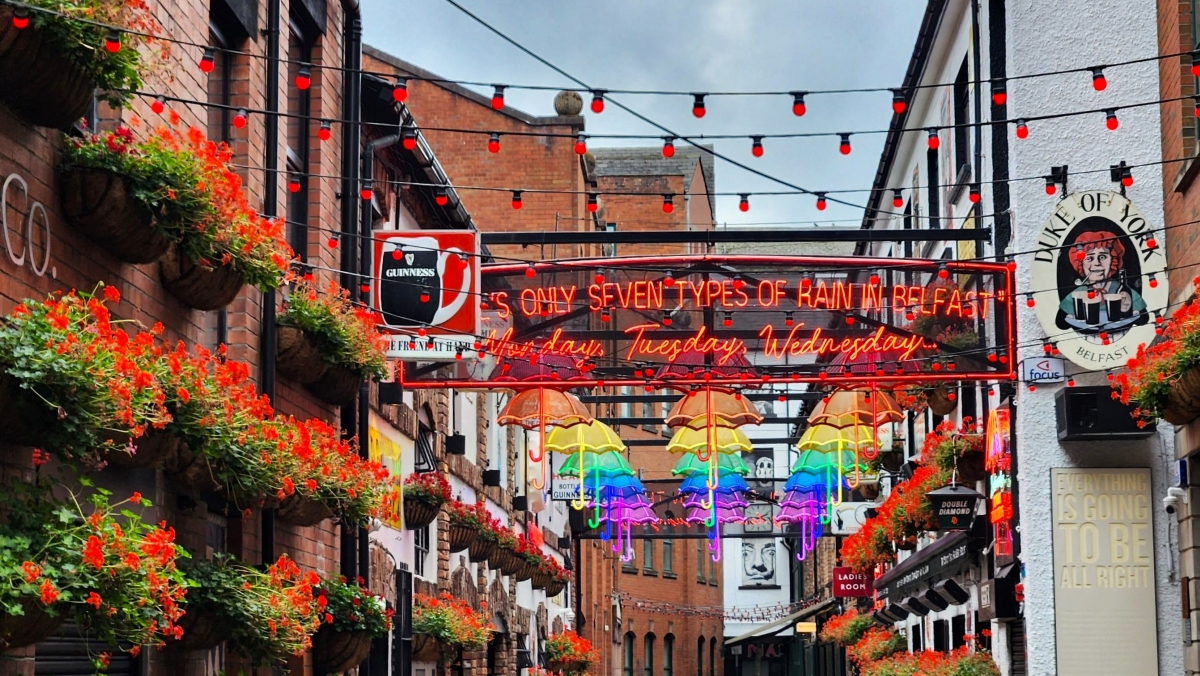
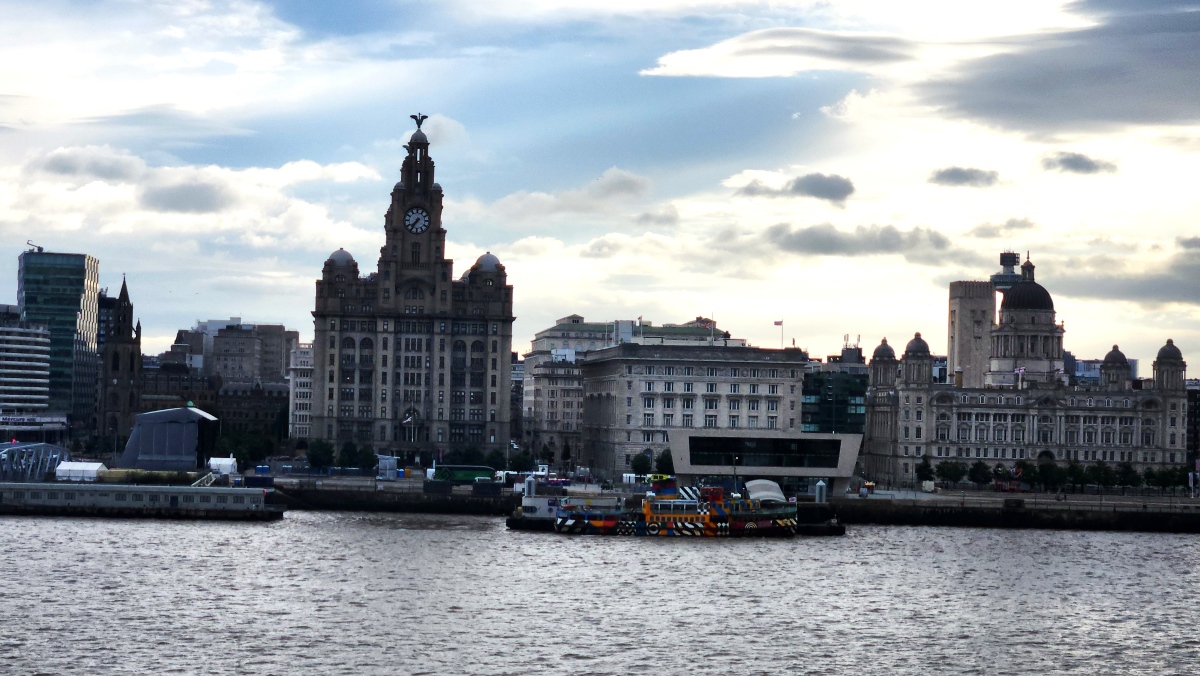
Leaving Northern Ireland, we arrived at Liverpool. The city pulses with creativity and history, offering a rich blend of cultural landmarks, waterfront charm, and iconic tributes to its most famous sons — the Beatles. Whether you’re drawn by music, architecture, or the spirit of reinvention, this city truly delivers with heart and flair.
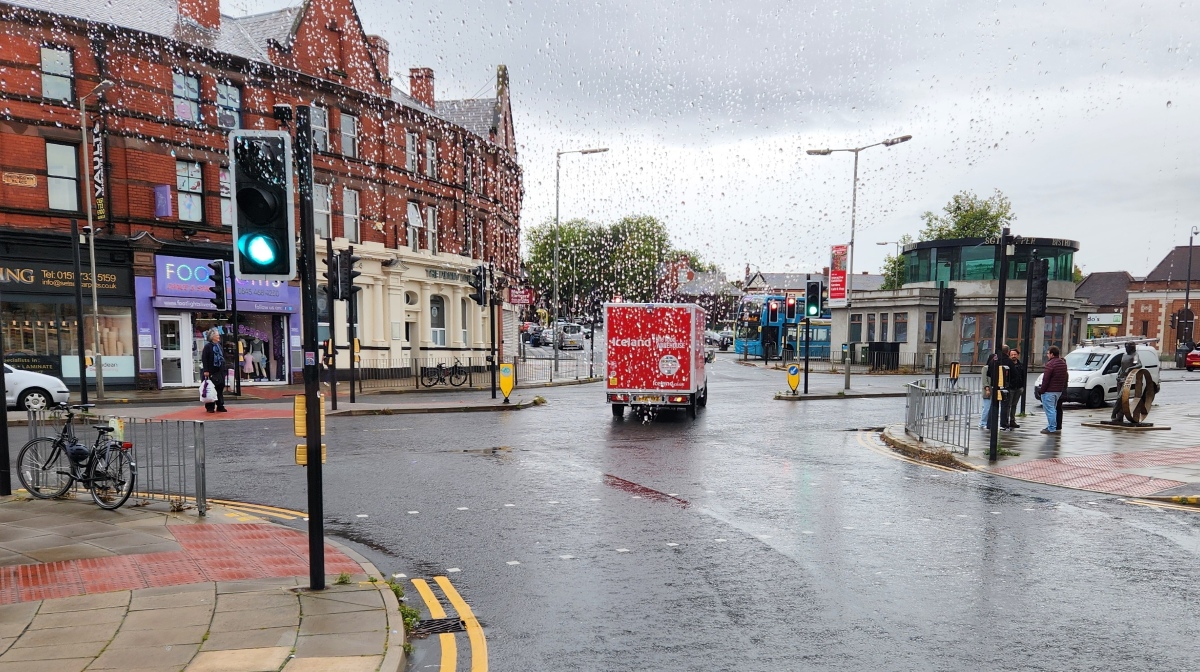
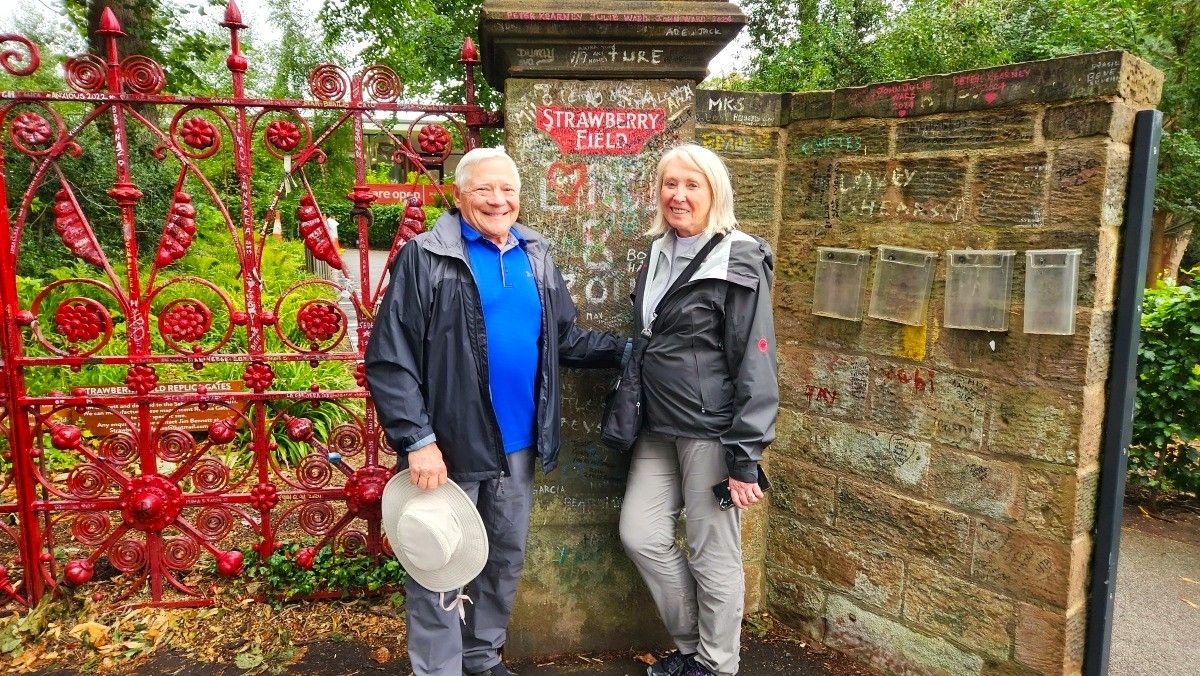
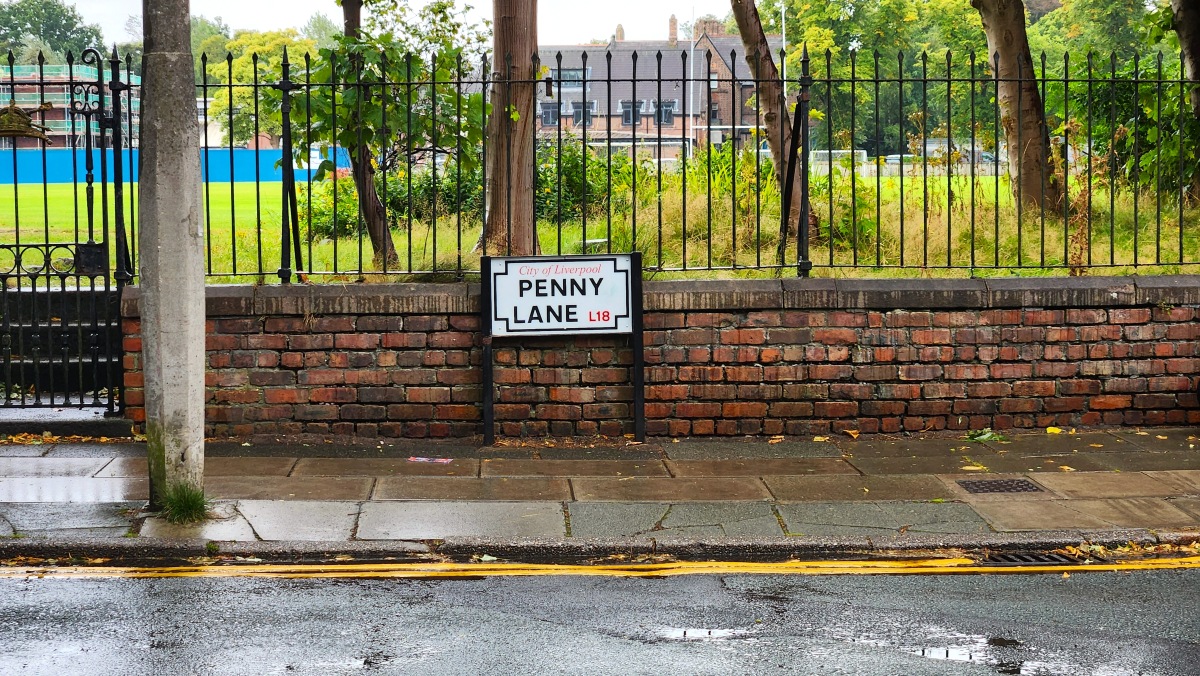
Penny Lane & Strawberry Fields, these lyrical landmarks are more than just song titles — they’re touchstones of memory and imagination. Penny Lane, with its barber shop and shelter in the middle of a roundabout, still echoes with the everyday scenes that inspired McCartney’s verses. Strawberry Field, once a Salvation Army children’s home, now hosts an interactive visitor experience that explores the song’s origins and Lennon’s childhood reflections.
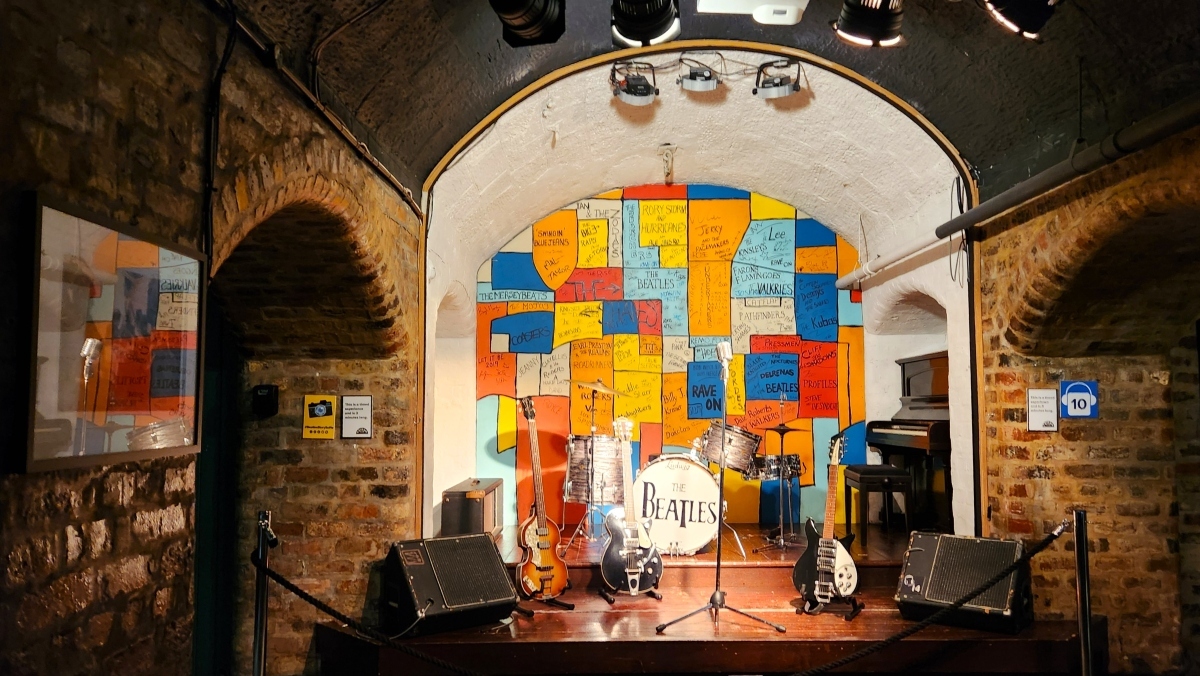
Tucked near Liverpool’s historic docks, The Beatles Story offers a 90-minute audio-guided journey through the band’s meteoric rise. For two devoted Beatlemaniacs, it was nothing short of magical. The tour winds through immersive recreations of iconic spaces — the smoky intimacy of the Cavern Club, the electric pulse of Hamburg’s Star Club, and the hallowed halls of Abbey Road Studios. Each stop deepens the sense of connection, layering music history with personal nostalgia. It’s not just a museum; it’s a pilgrimage. Nostalgic, informative, and surprisingly emotional.

The Beatles Statue at Pier Head, facing the River Mersey, is bronze tribute to John, Paul, George, and Ringo and captures the band mid-stride, as if still walking toward the next stage. It’s a popular photo spot and a heartfelt nod to Liverpool’s musical legacy — a city that gave the world a soundtrack.

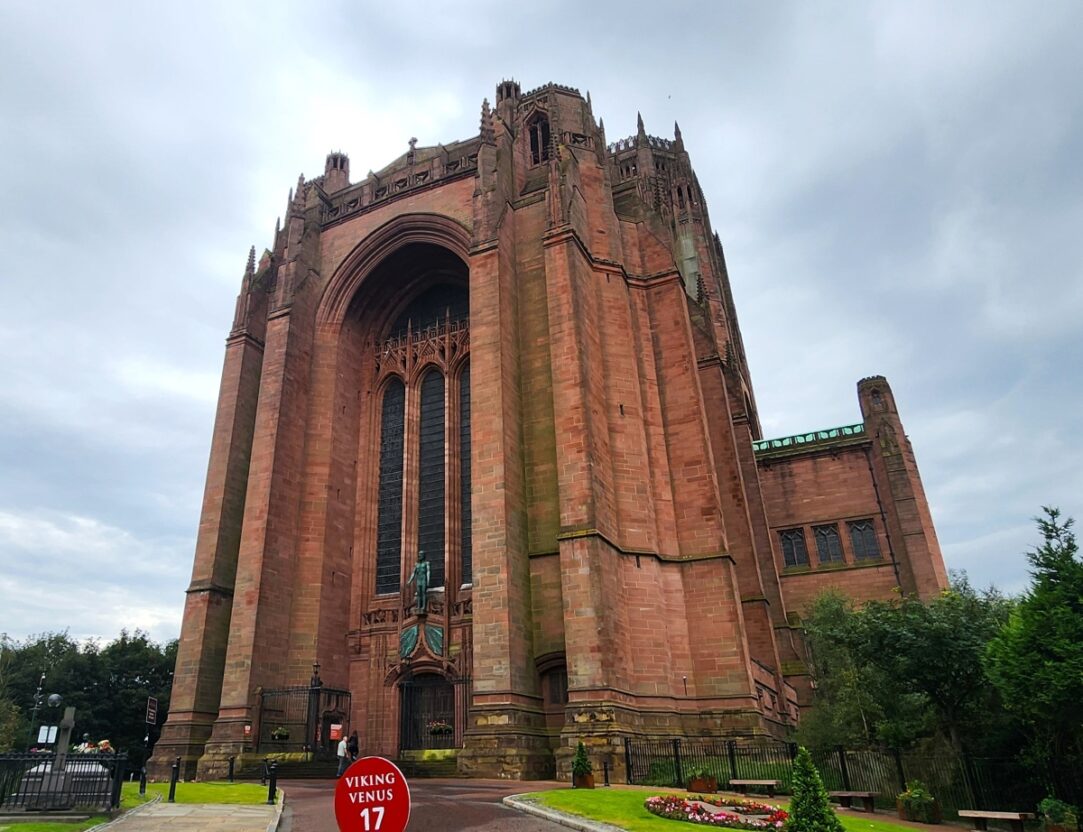
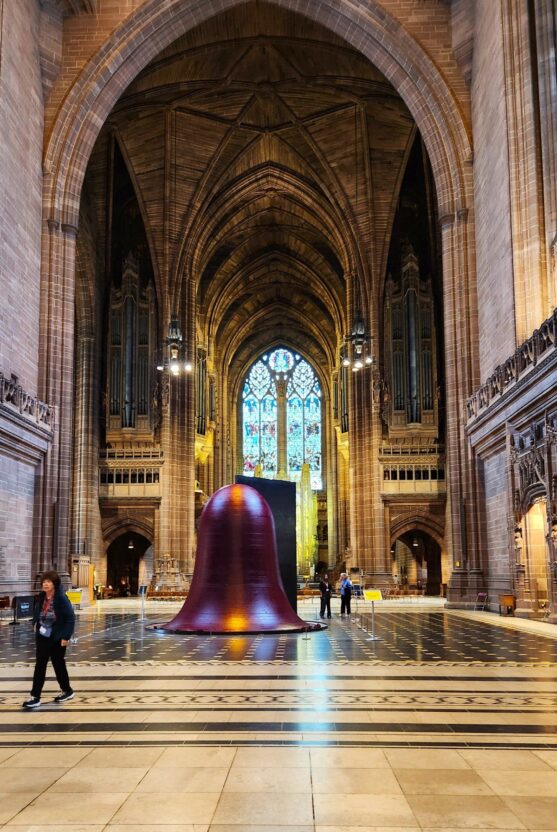
Towering above the city, Liverpool Cathedral is one of the largest Gothic-style cathedrals in the world. Its soaring arches, intricate stonework, and hushed grandeur invite awe and contemplation. Climb the tower for panoramic views across Merseyside — a moment of quiet elevation in a city that never stops moving.
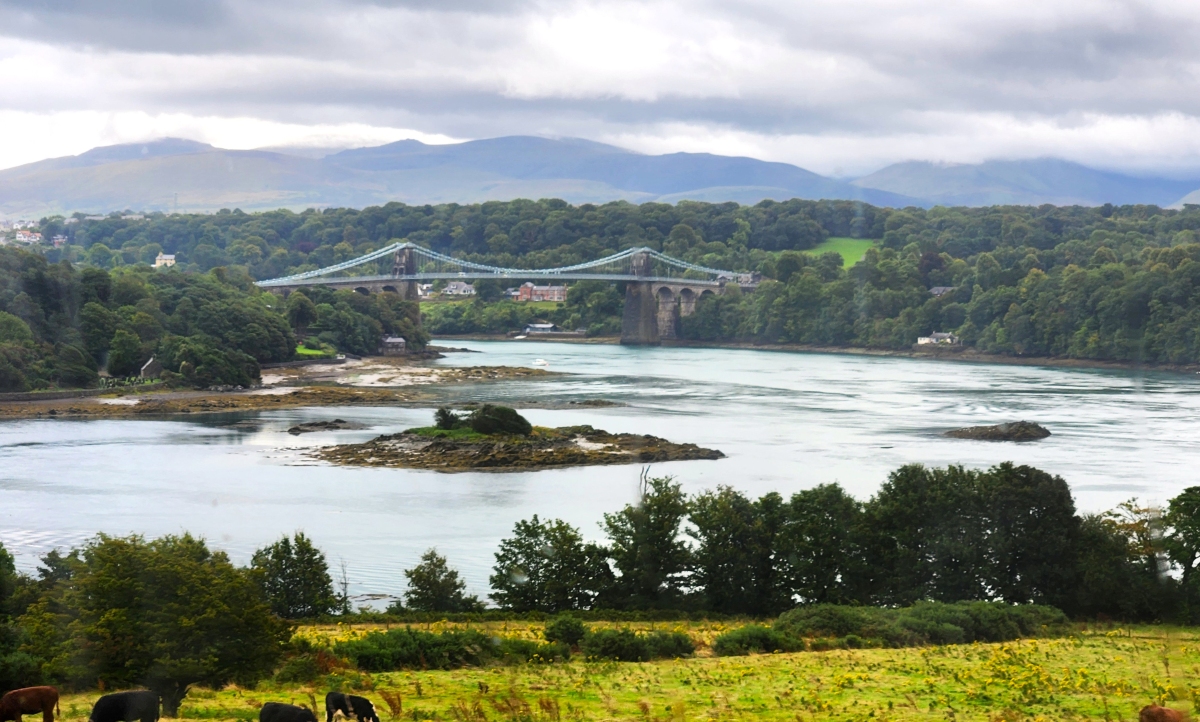
Holyhead, perched on Holy Island off the northwest coast of Wales, is more than just a ferry port to Ireland—it’s a treasure trove of windswept cliffs, ancient tombs, and coastal serenity.
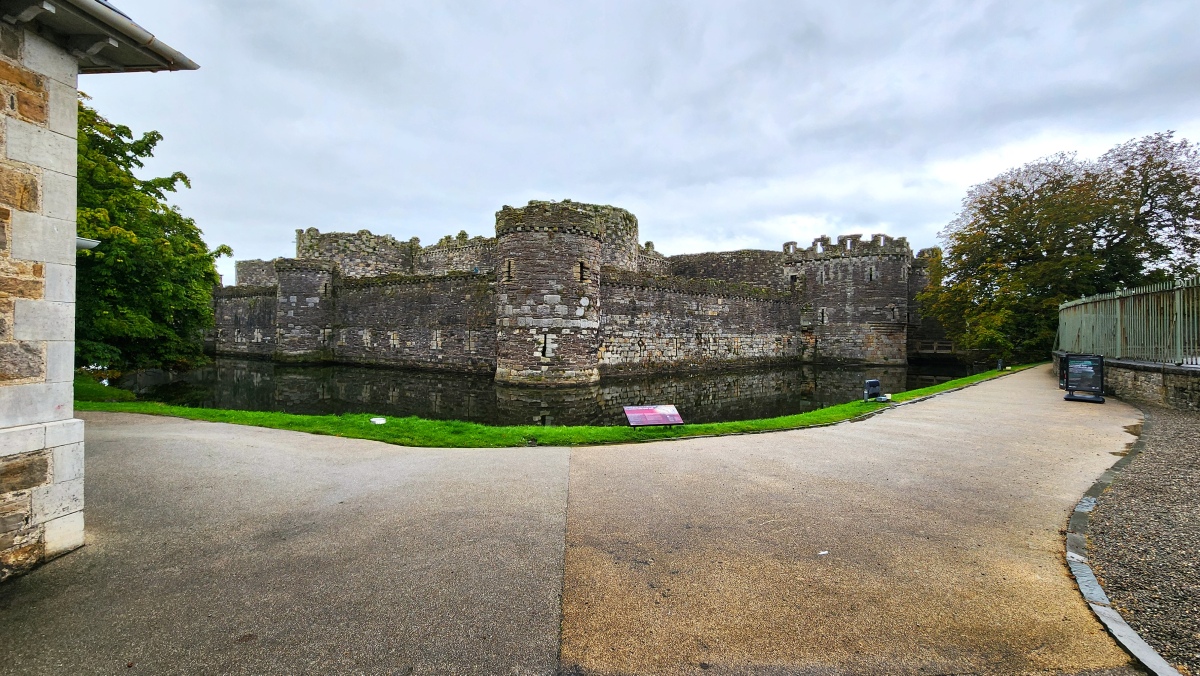
We motored to Beaumaris located on the serene Isle of Anglesey. Beaumaris Castle rises from the marshland like a dream half-realized — a fortress of near-perfect symmetry, yet gloriously incomplete. Commissioned by Edward I in 1295 as part of his “Iron Ring” of castles to subdue Wales, Beaumaris was intended to be the crowning jewel of medieval military architecture.
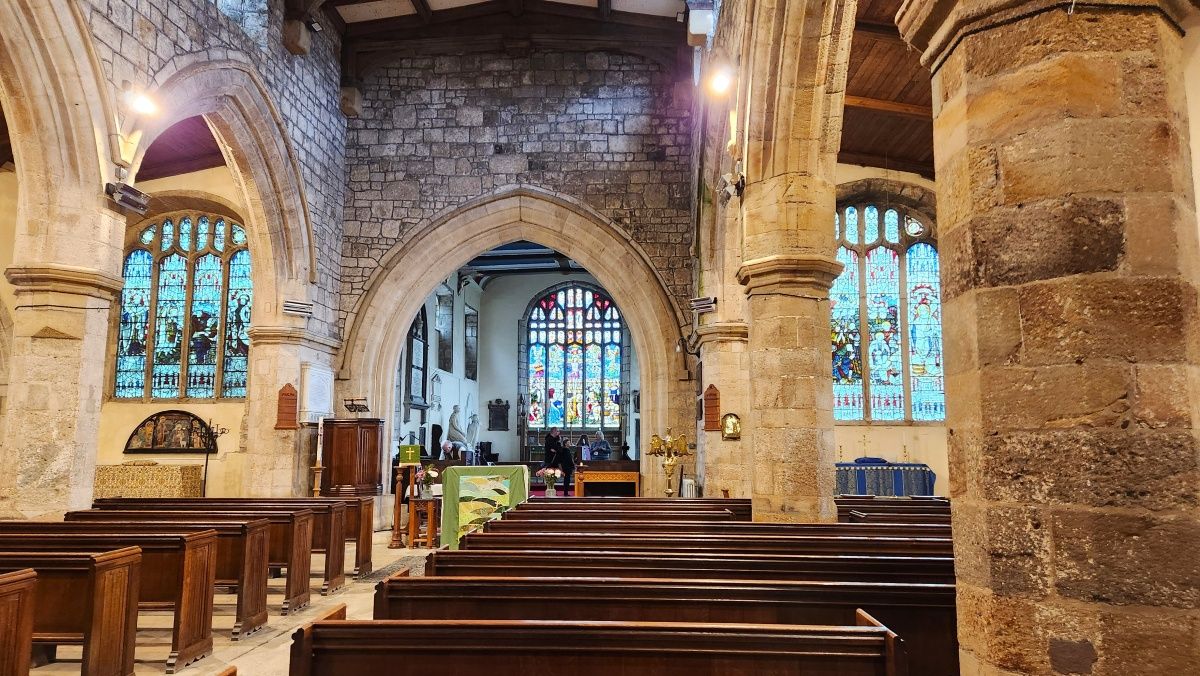
Tucked within the heart of Beaumaris, this ancient a church stands as a quiet counterpoint to the grandeur of the nearby castle. Built around 1330, St Mary’s and St Nicholas’s Church is a tapestry of medieval architecture, local legacy, and spiritual endurance.

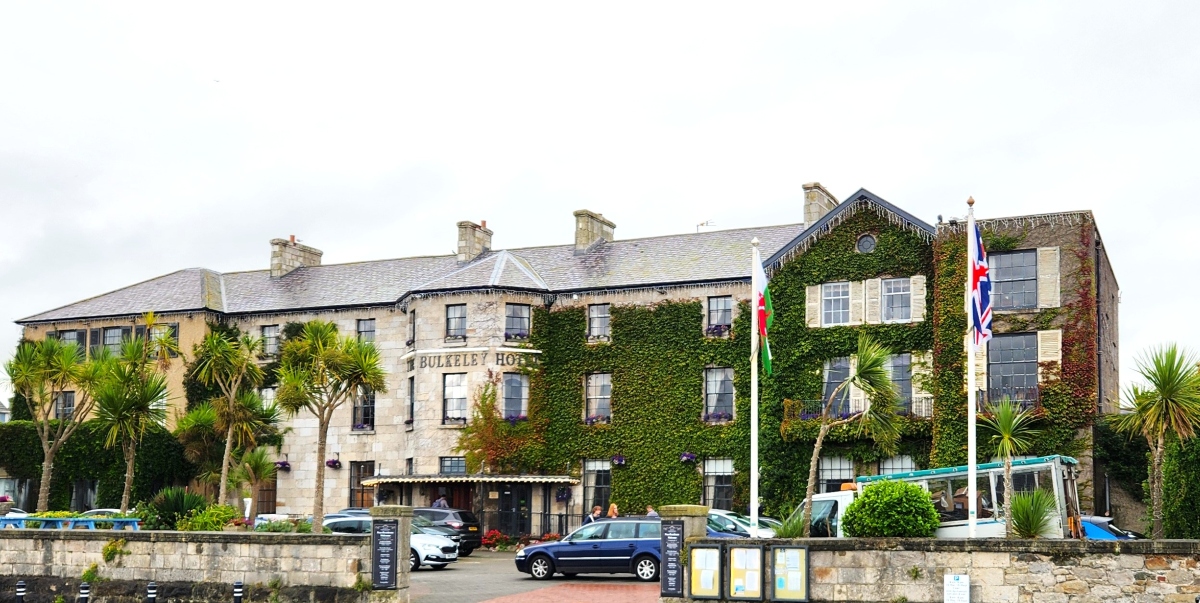
In the heart of Beaumaris, just steps from the castle and the waterfront, stands The Bulkeley Hotel — a stately Georgian landmark with a story as elegant as its façade. Built in 1832 to host Princess Victoria and her mother, the Duchess of Kent, the hotel was commissioned by Sir Richard Bulkeley of the Baron Hill estate as a seaside villa fit for royalty.
Dublin greets you not with grandeur, but with grit and grace. Its Georgian facades lean into the wind like old poets whispering verses, while the River Liffey slices through the city like a line of prose — sometimes calm, sometimes restless. This is a city that doesn’t shout; it sings in minor keys, in contradictions, in quiet brilliance.
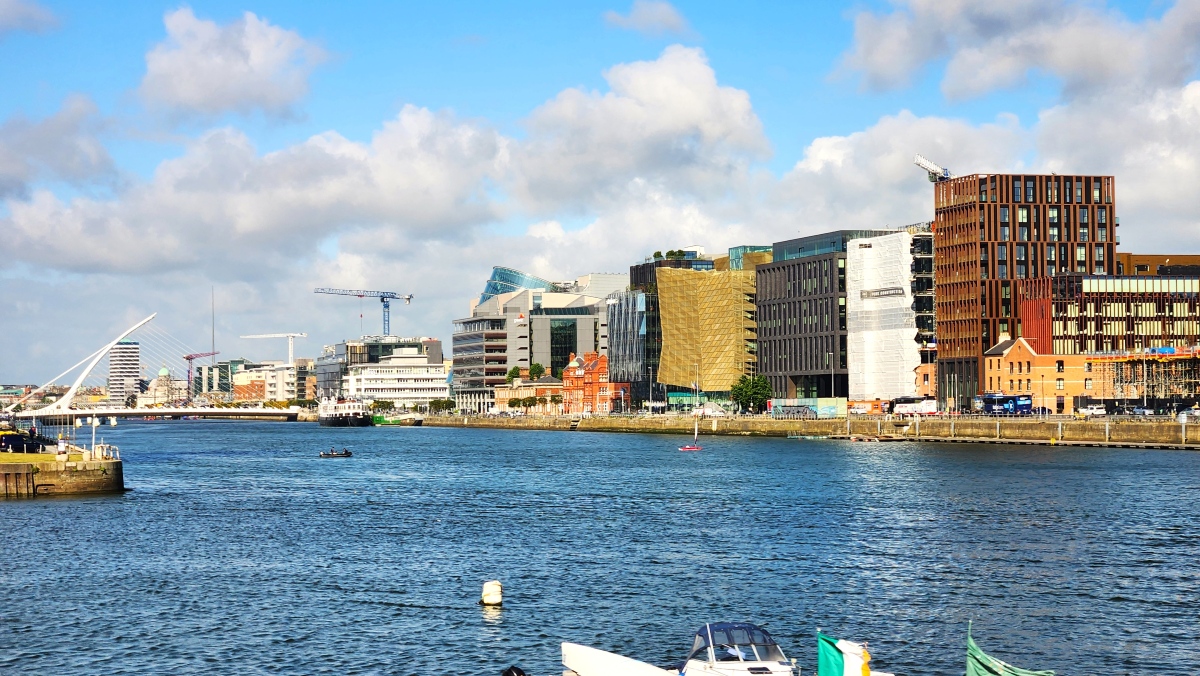
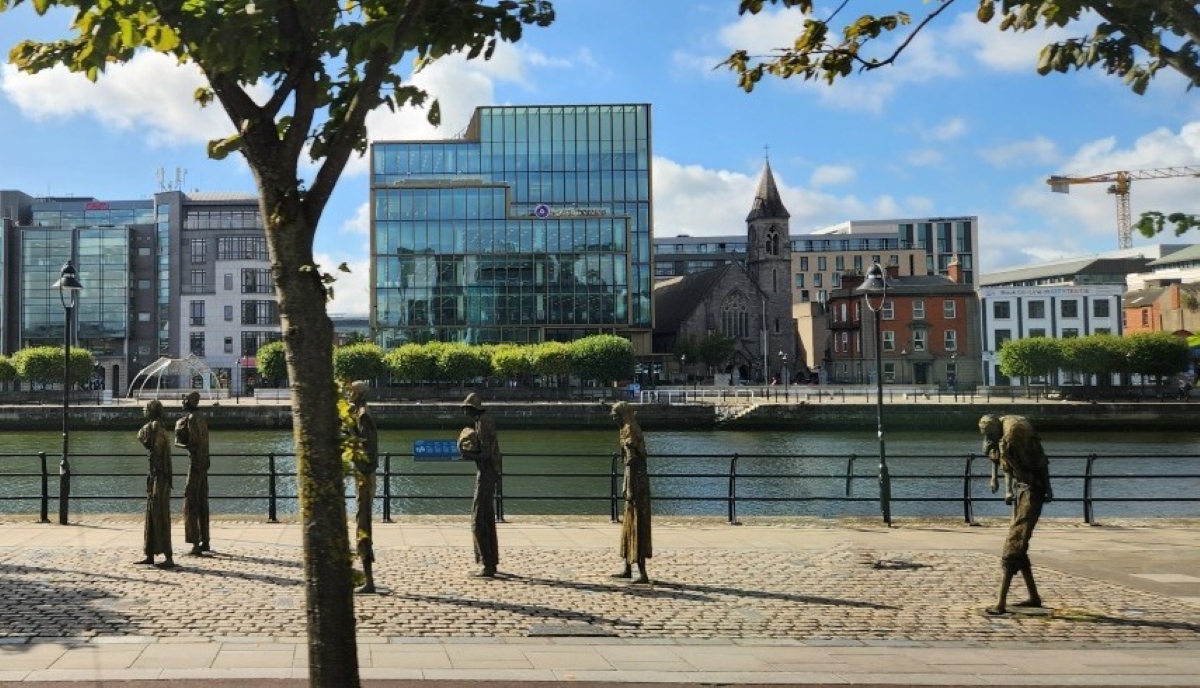
Along the banks of the River Liffey, on Customs House Quay, stands one of Dublin’s most haunting tributes — the Famine Memorial, officially titled Famine. Created by sculptor Rowan Gillespie and unveiled in 1997, the installation features six life-sized bronze figures, gaunt and weary, clutching their few possessions as they trudge toward an uncertain future. The memorial commemorates the Great Irish Famine (1845–1849), a catastrophe that halved the country’s population through death and emigration. Over one million people perished, and another million fled Ireland’s shores, many departing from nearby docks. The figures evoke that exodus — not just of bodies, but of hope, heritage, and generations lost.
There’s a quiet power in the way the statues lean forward, eyes hollow, limbs thin. They don’t cry out — they endure. And in doing so, they invite reflection on resilience, remembrance, and the cost of survival.
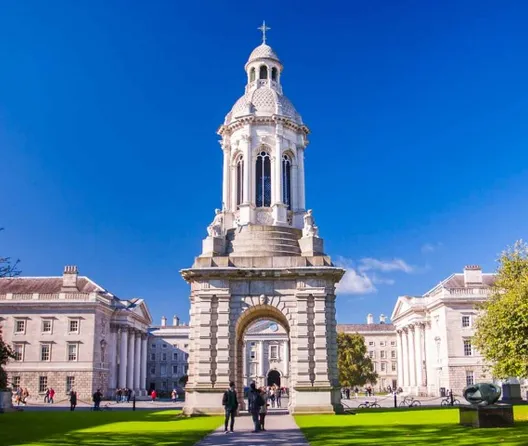
During our journey we stopped at Trinity College, where the Book of Kells, a 9th-century illuminated manuscript of the four Gospels, celebrated for its intricate Celtic and Christian artwork, glows beneath glass — its illuminated pages a testament to Ireland’s devotion to beauty and belief. The Long Room, with its towering shelves and dusky light, feels like a cathedral of thought, echoing with centuries of scholarship. It was founded in 1592 by Queen Elizabeth I who issued a royal charter in her role as “the mother of a university”, making it Ireland’s oldest operating university.
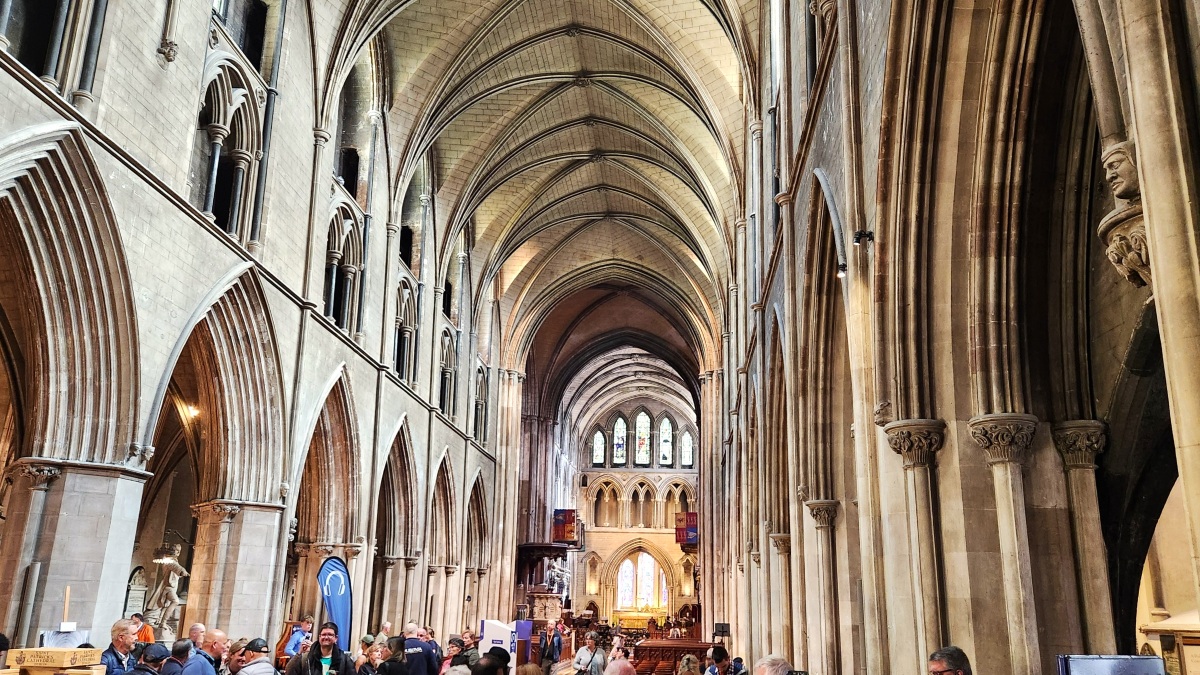
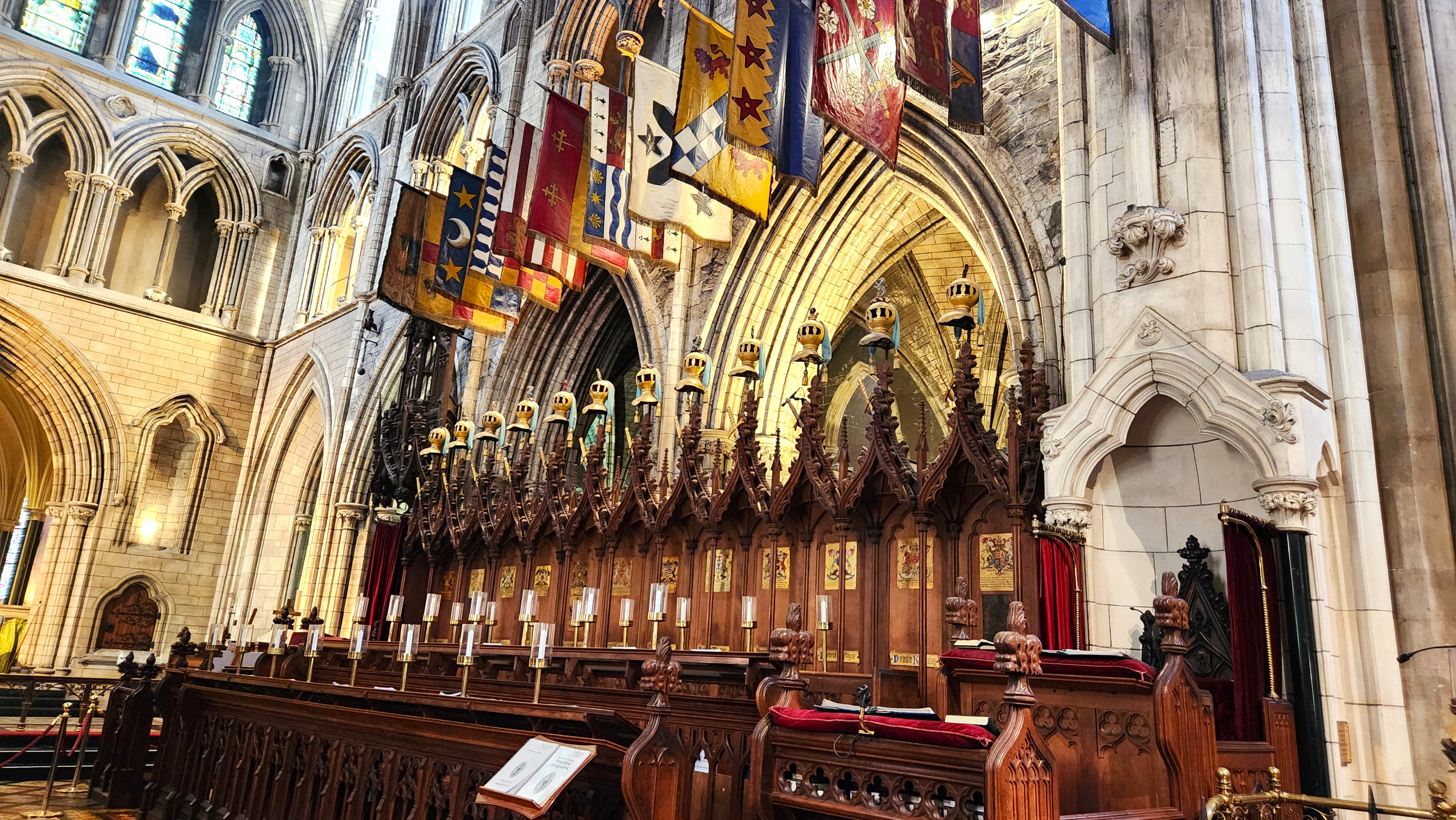
Dublin’s magic lies in its contradictions. The solemn hush of St. Patrick’s Cathedral, with its vaulted ceilings and stained glass, invites reflection on faith and endurance. Yet just beyond its gates, the city bursts into life — in the riotous joy of Grafton Street, where street performers serenade passersby and laughter spills from cafés.
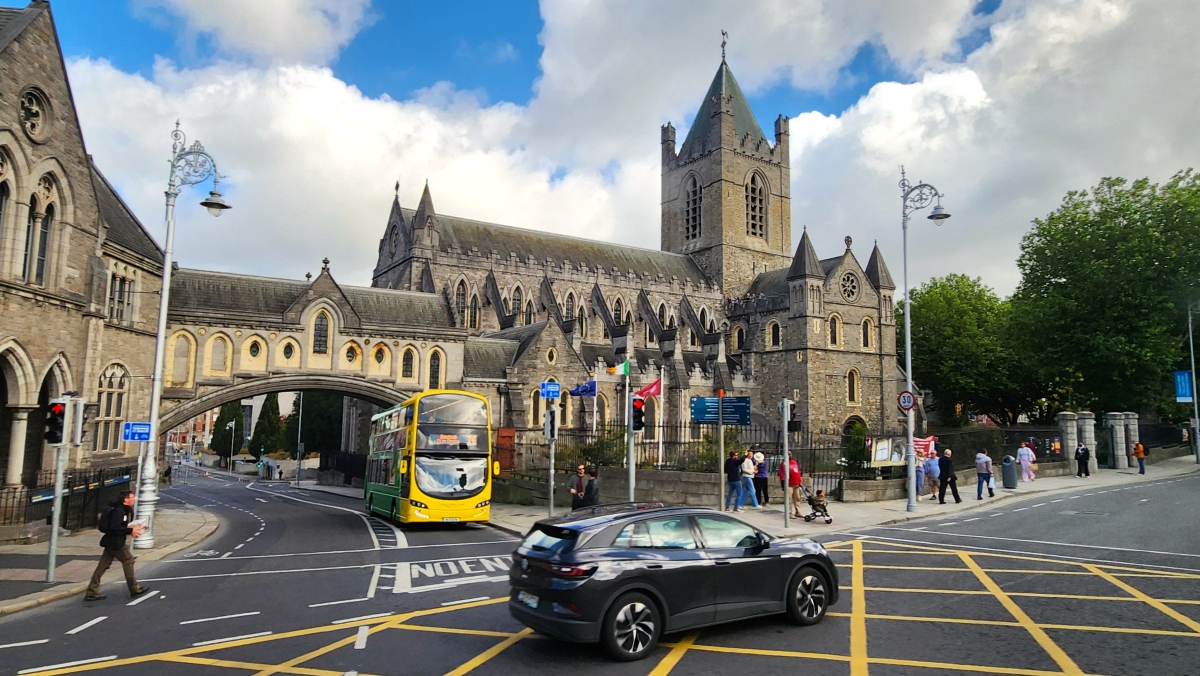
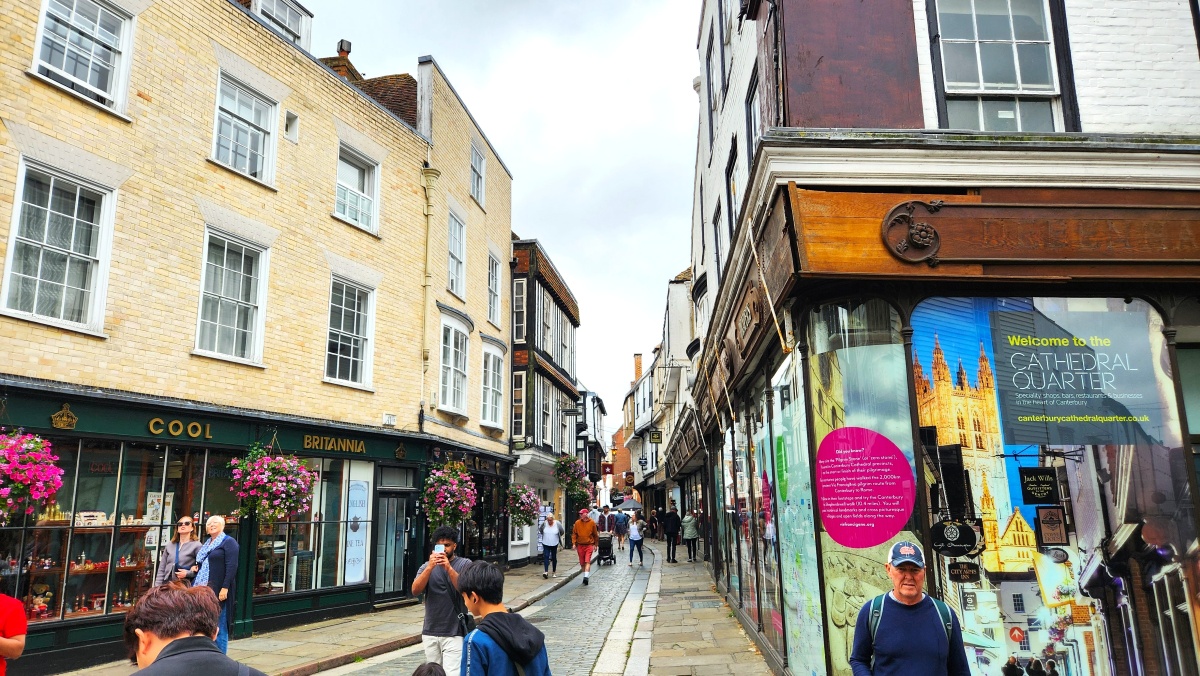
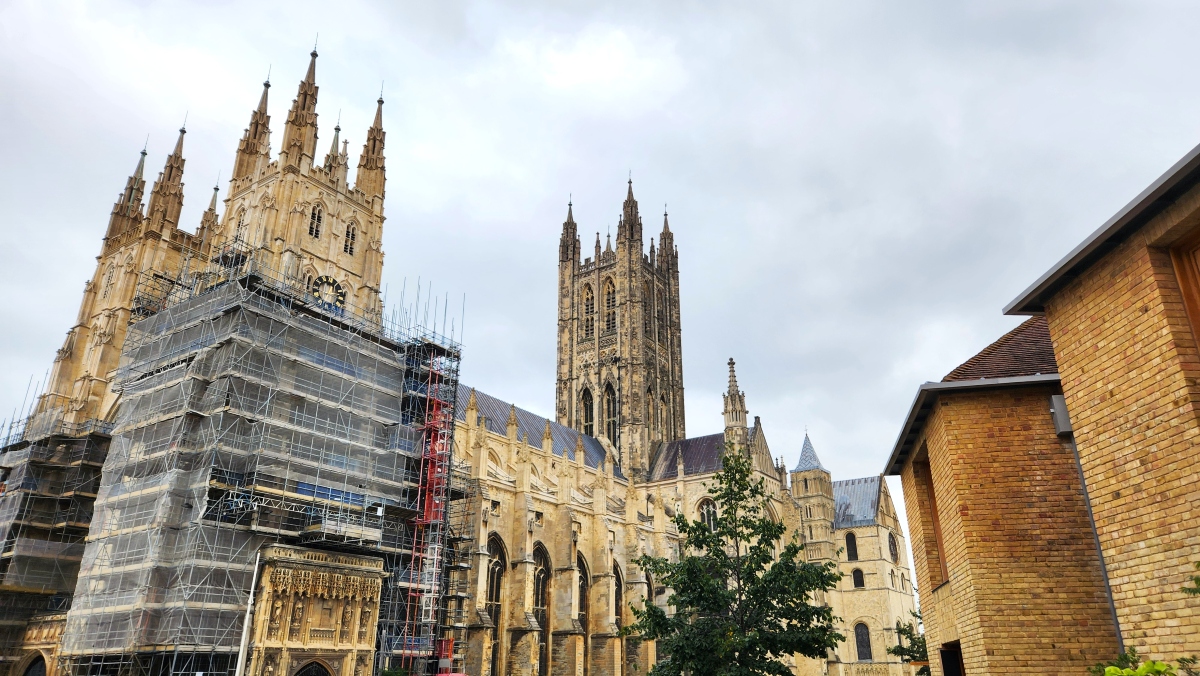
Step into Canterbury Cathedral, and you step into the spiritual heart of England. A UNESCO World Heritage Site, this Gothic masterpiece has drawn pilgrims for over 1,400 years. Its soaring arches and intricate stonework cradle centuries of devotion, while the stained-glass windows shimmer with biblical scenes and medieval artistry.
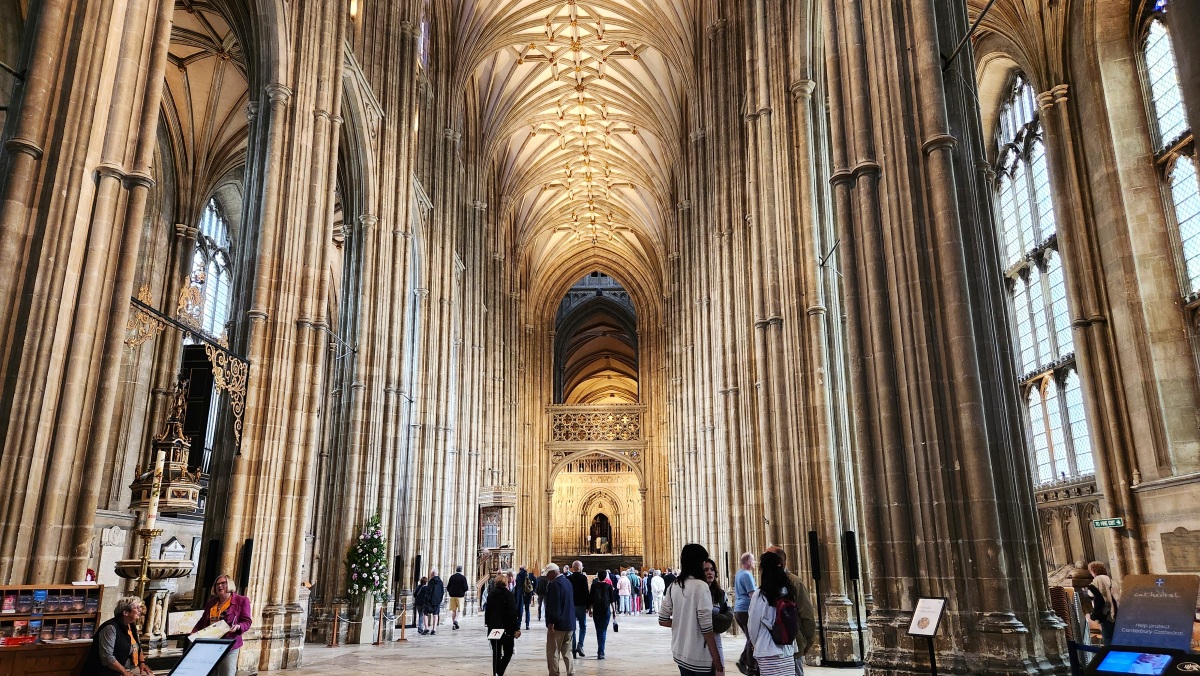
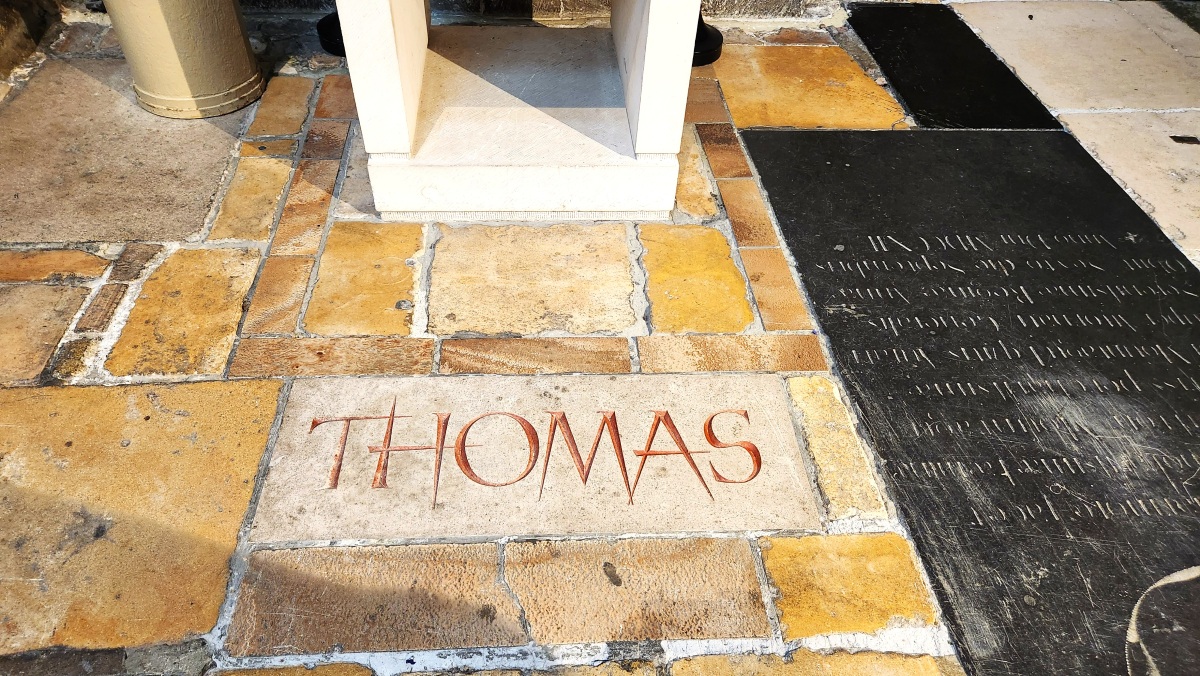
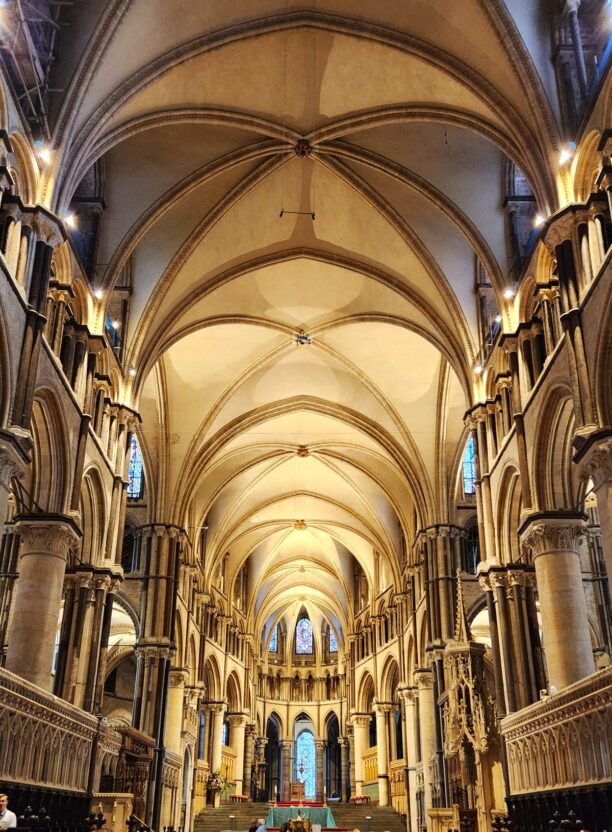
At the center lies the shrine of Thomas Becket, the archbishop martyred in 1170. His death turned Canterbury into a sacred destination, immortalized in Chaucer’s Canterbury Tales. Today, the cathedral remains a place of worship and wonder — a sanctuary where belief and beauty converge.
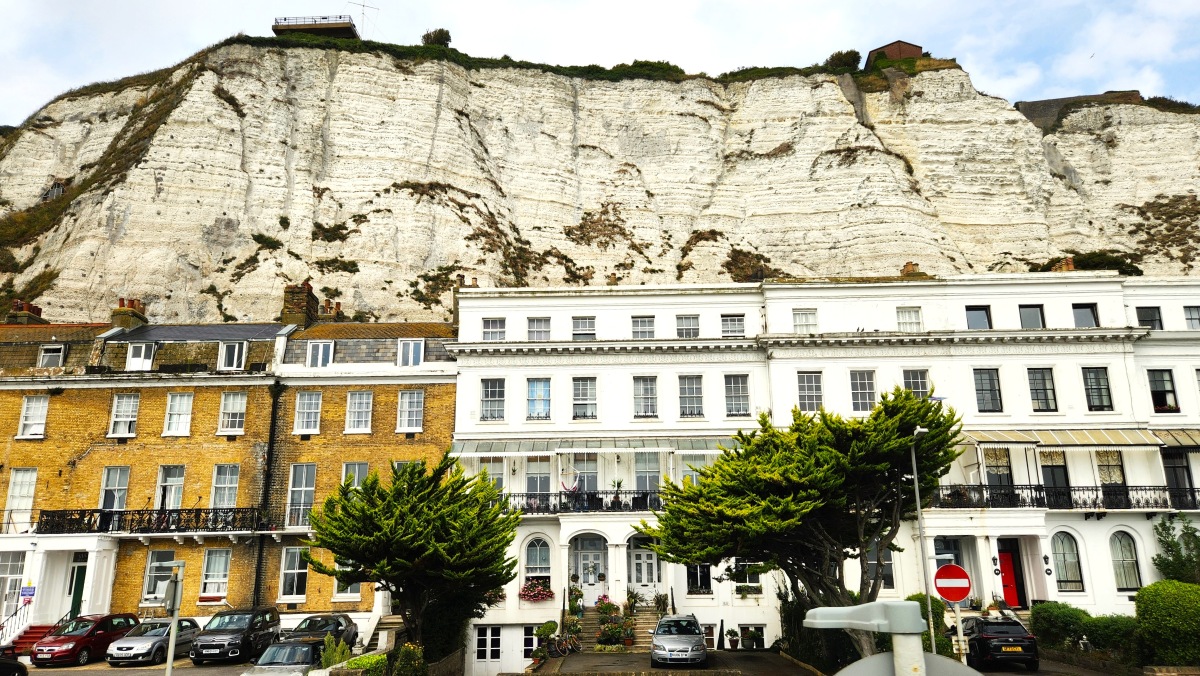
From sacred stone to elemental cliff — the White Cliffs of Dover rise like a chalk anthem above the English Channel. On clear days, France shimmers across the water, a reminder of both proximity and separation. The cliffs are more than a postcard image; they’re a symbol of resilience, a natural fortress, and a place of quiet grandeur.
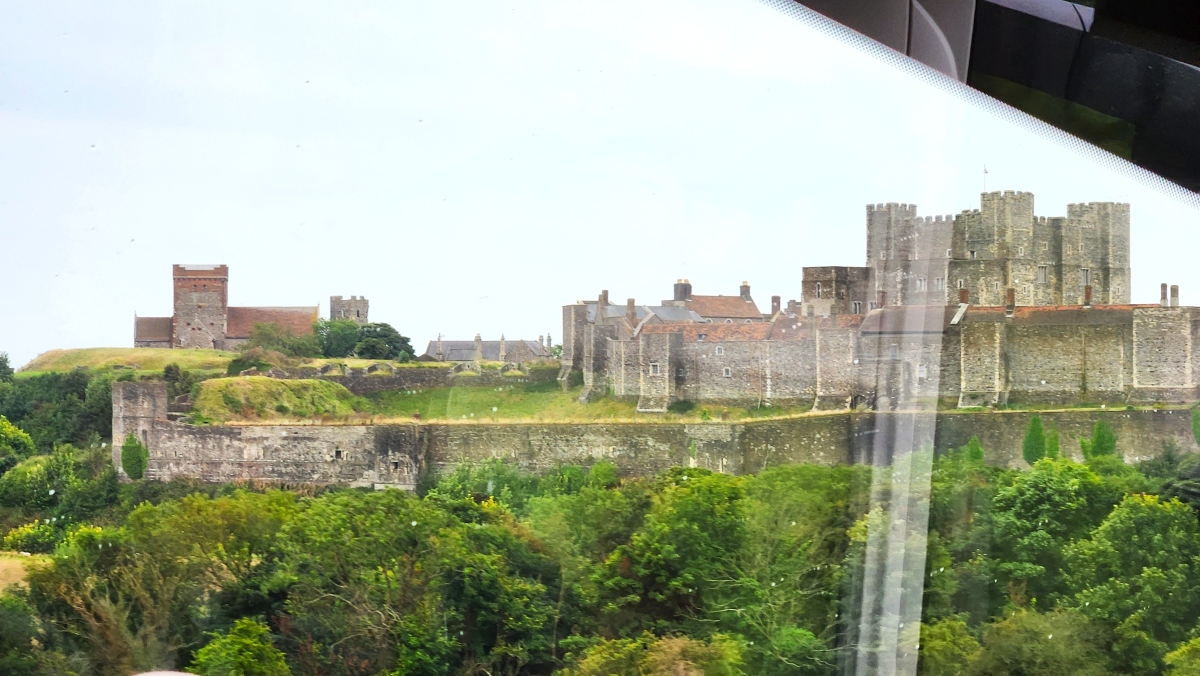
Perched above the cliffs, Dover Castle has guarded the coast for over 2,000 years. From Roman lighthouses and Saxon churches to its formidable Norman keep, the fortress is layered with history. Built by Henry II in the 12th century, the Great Tower evokes medieval power and pageantry.
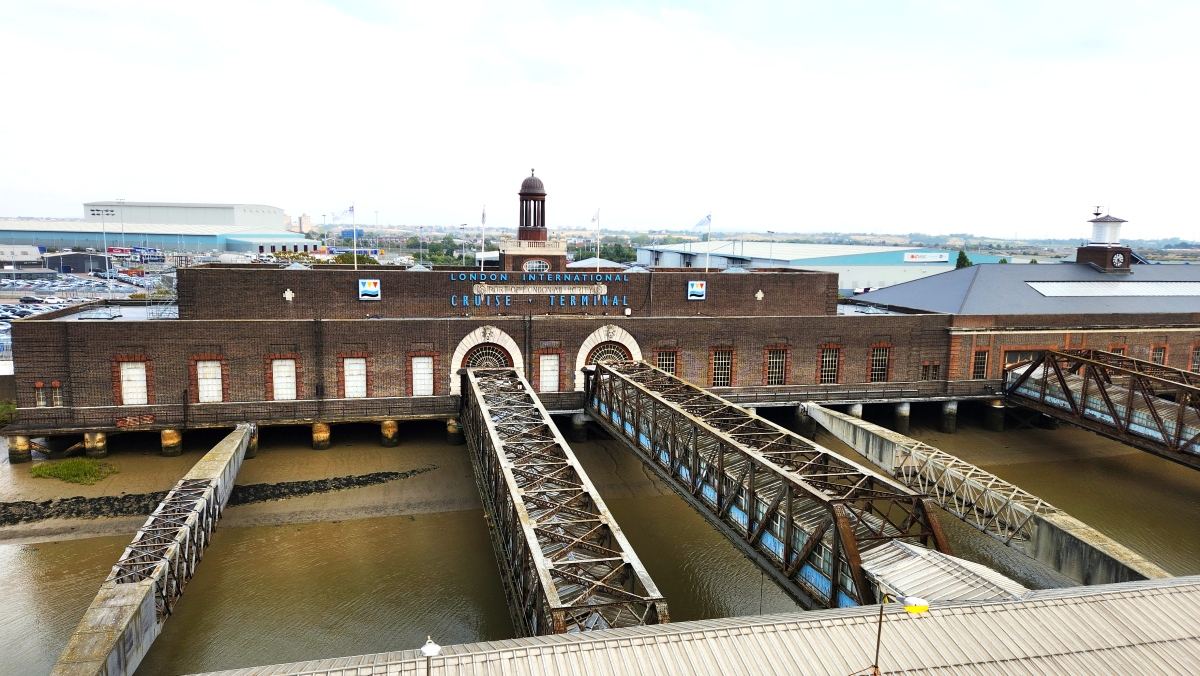
Now at the end of our month-long cruise we sailed up the Thames to Tilbury, London’s deep water cruise terminal, about an hour and a half drive from London City Center. As promised, the highlights of our first few days in London, upon our arrival, follow.
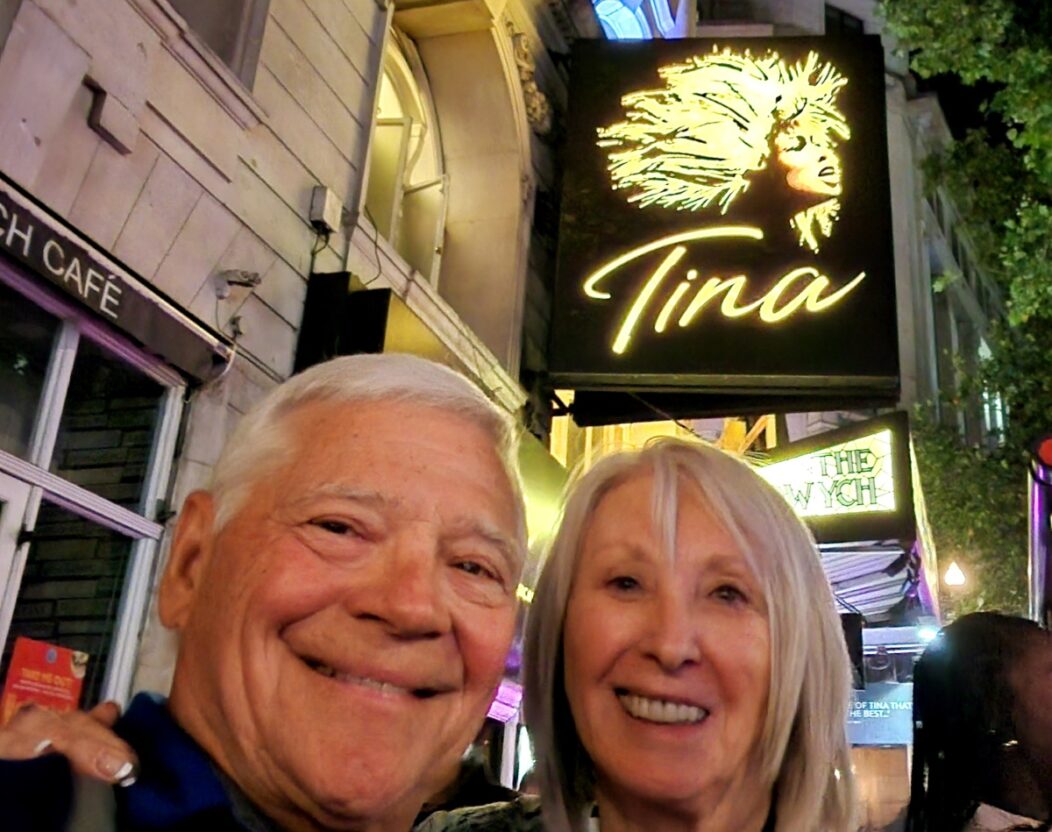
We had prebooked tickets for Tina on our arrival day to help us stay up and become time change acclimated. We took the tube to the West End to see the bio-musical theater production at the Aldwych Theater. The production was fabulous and the lead, Karis Anderson, was Tina in every respect. Well worth seeing if the opportunity presents.
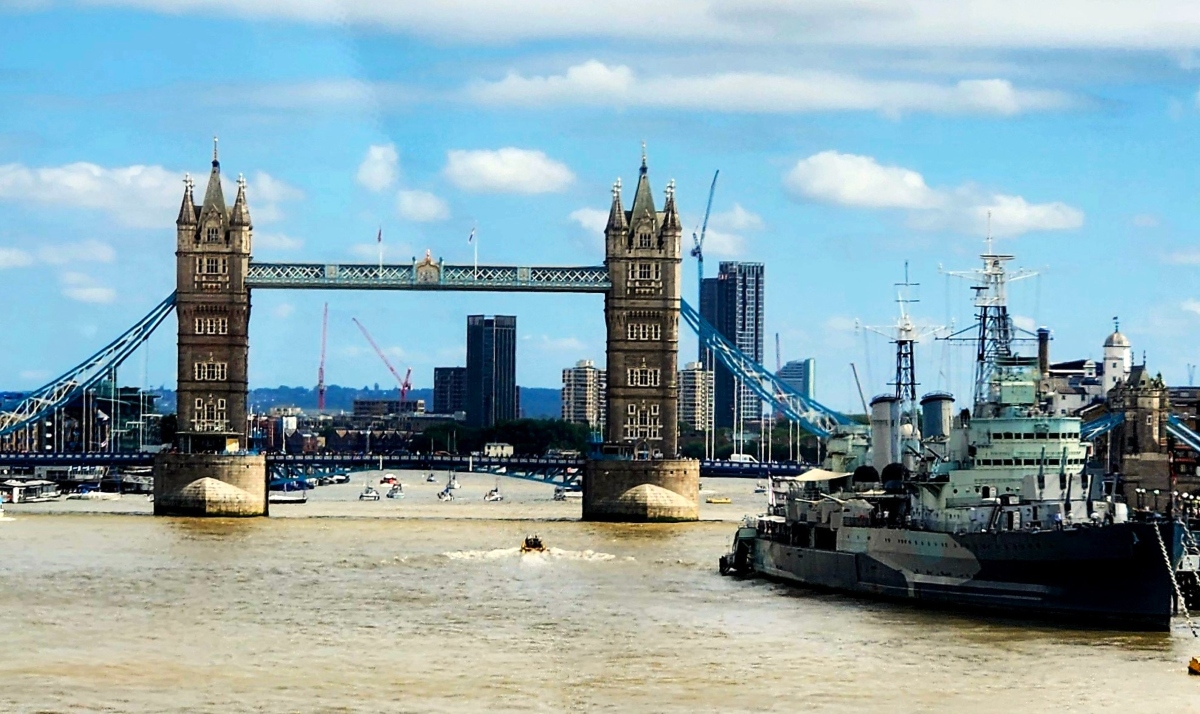
The next day we took a guided bus tour of London. Although we had been to Lonon several times we had never done the bus tour. Although we got to see many of the iconic locations in London, w would not recommend the tour. Although it was hop on- hop off, the schedule meant if you hopped off, you had to wait over an hour for the next bus to come by. We just stayed on. Additionally, the London traffic on the bus route was so bad that we sat still a lot and the 4-hour ride-about became tedious and boring.
Other than the Tina production, our highlights were the numerous pubs we visited in the Kensington District with our travel companions (Gil & Julie).
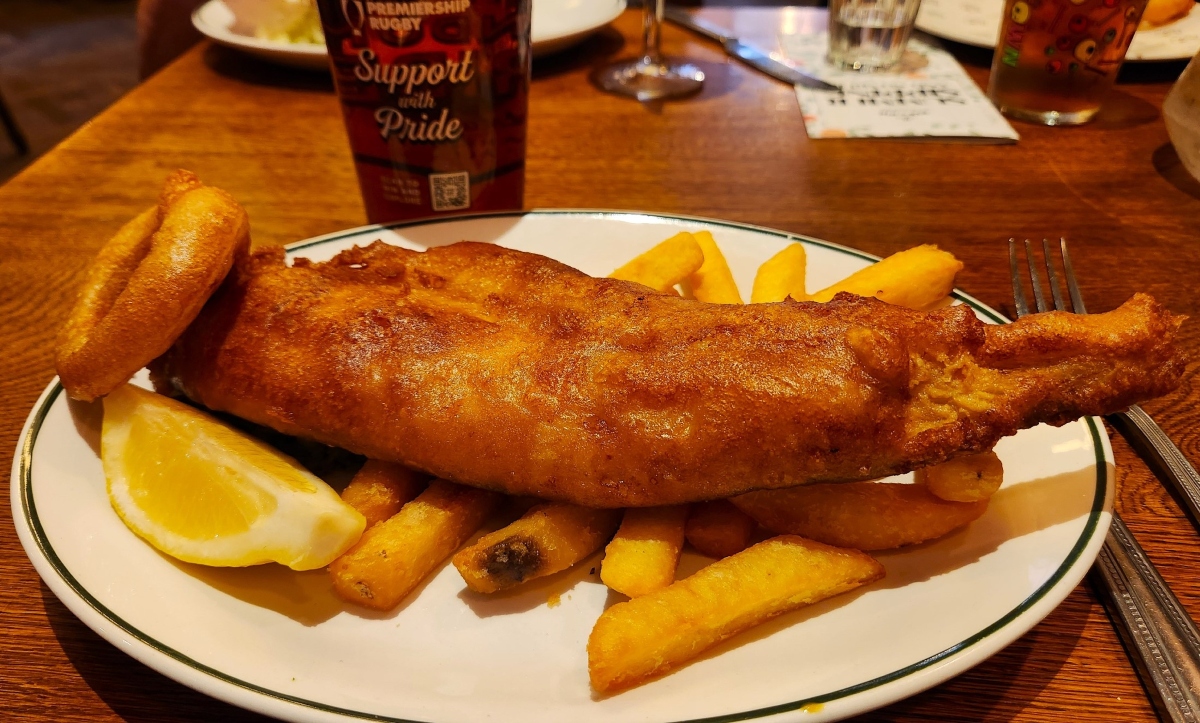
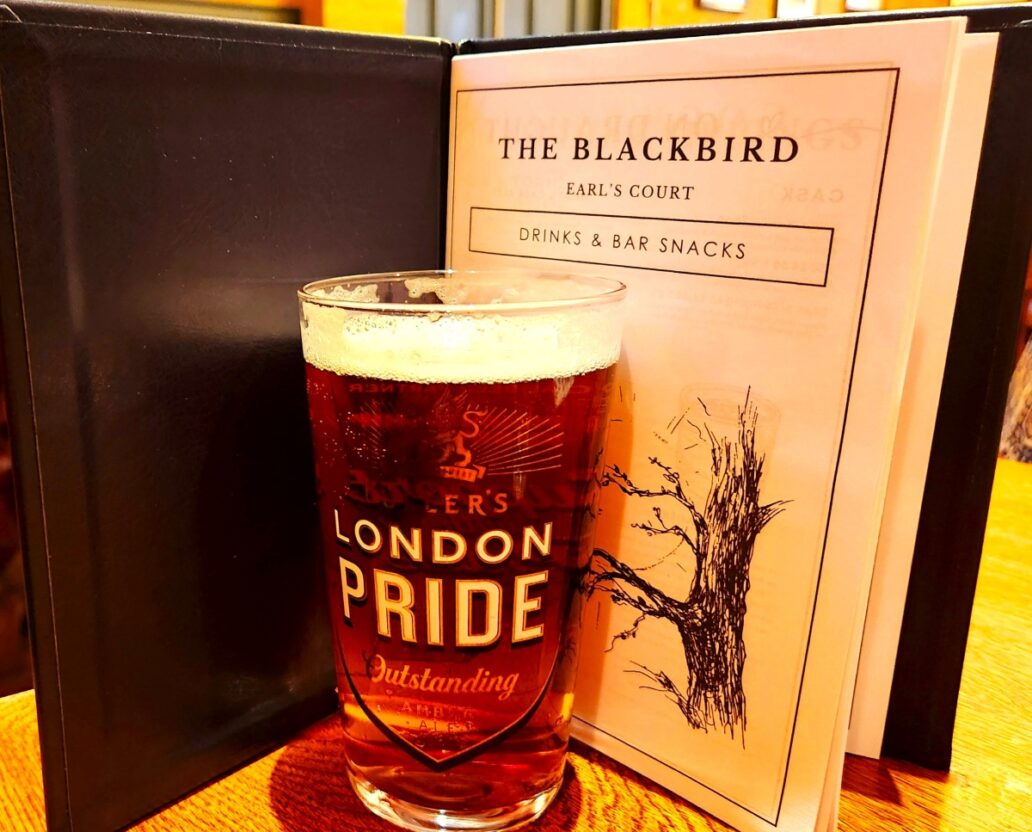
Our hotel, The Doubletree by Hilton was perfectly located in the Kensington section of London. In the heart of the Museum District, with the Gloucester Road subway station just across the road, it was a great location for exploring London. The hotel is within a mile of Kensington Palace, Hyde Park, and the Natural History Museum. Knightsbridge luxury shops and eateries are just a mile away.
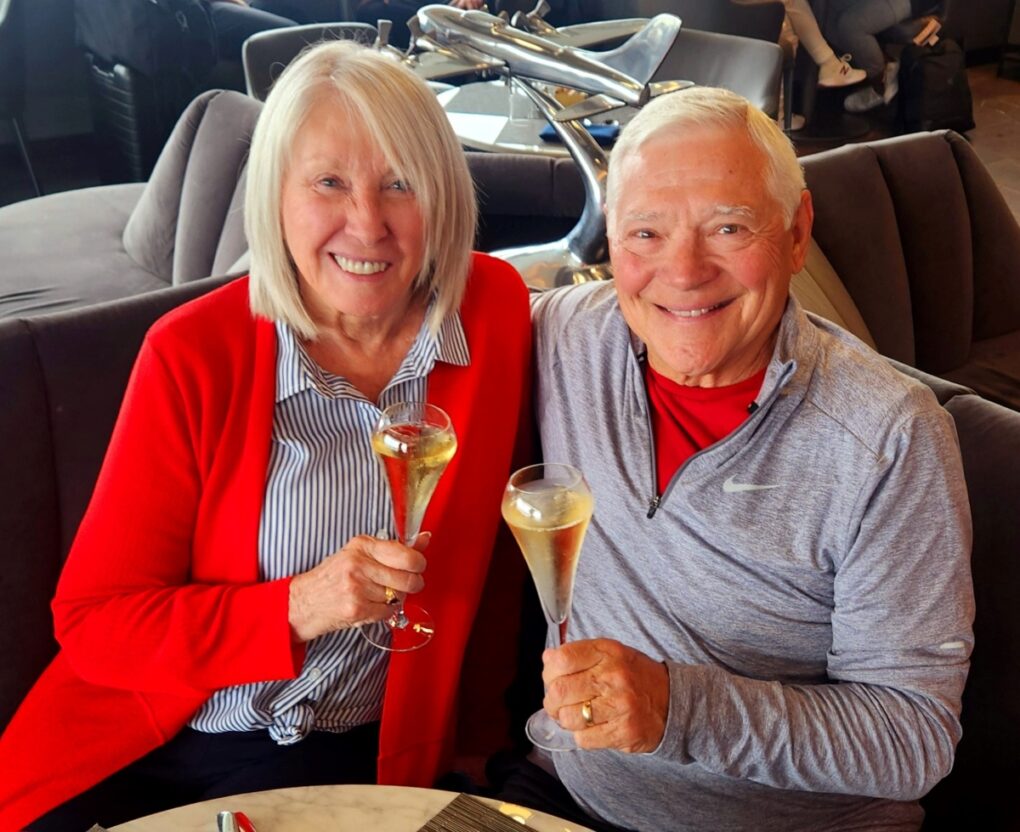
In summary, our monthlong cruise exploring Iceland, the Faroe Islands, Norway, the Shetlands and practically circumnavigating the British Isles was epic and befitting of our theme of ‘Following the Vikings’!
We did that cruise a few years ago in the opposite direction – it was fun reliving it through your post!
Really was amazing. Glad you had a redo! 🙂 Happy New Year to you both!