Sonoma County Wine Country – Deep Dive: Day III
Posted on January 10,2026 By John Compisi
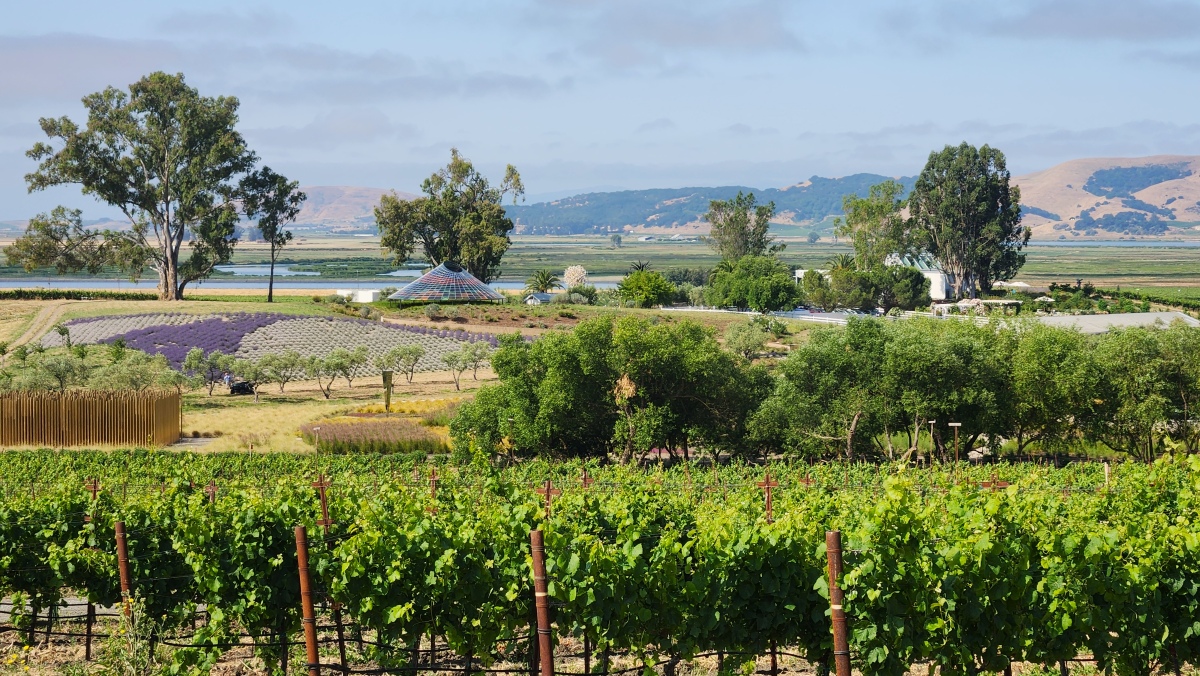
As previously reported, each Wine Writers Educational Tour unfolds as a 3+1 day immersion into the soul of a wine region—three days of structured exploration, plus an optional fourth for those who wish to linger.
On average, we meet with up to sixty winemakers and taste as many as 180 wines. Yet the numbers only hint at the depth of the experience. Each glass is a story; each vineyard, a chapter. Together, they form a living book of terroir, tradition, and innovation.
From morning seminars to twilight tastings, the days are choreographed to reveal the region’s essence. Winemakers speak not only of soils and varietals, but of heritage, resilience, and vision. By the end, what remains is not just a memory of wines tasted, but a tapestry of human voices woven into the land itself.
Our previous excursions carried us through the storied vineyards of Napa Valley (2018), wandered amid the earthy elegance of the Willamette (2019), and embraced the bold character of Paso Robles (2022). Sonoma, with its layered geography and diverse microclimates, felt like a culmination — a place where the threads of earlier tours converged into a rich, sensory tapestry. Its layered geography and diverse microclimates revealed not a single narrative, but a chorus: fog-kissed coastlines whispering of restraint, sunlit valleys singing of abundance, mountain ridges echoing with power and precision.
Here, terroir and technique intertwined seamlessly, matched only by the generosity of its winemakers. Sonoma was not merely another chapter in our journey; it was the book’s binding, holding together the stories of soil, climate, and human craft into one kaleidoscopic whole.
Day 3 began with an early bus ride to the remarkable Donum Estate in southern Sonoma’s Carneros region. Even before the first glass was poured, the estate itself was a revelation: more than fifty objects d’art scattered across the grounds, each piece inviting contemplation. It is a destination worth visiting even if wine were not part of the equation.
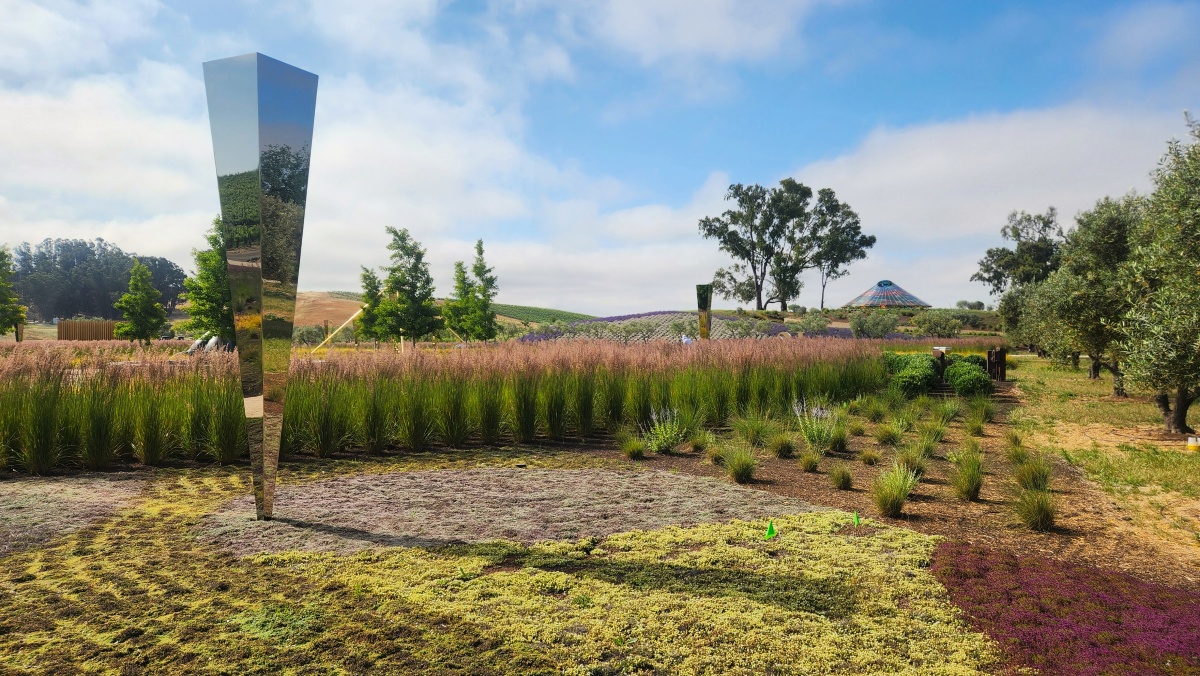
Our morning opened with a mini‑class on regenerative farming, a thoughtful exploration of how vineyards can nurture both soil and community. Insightful and compelling, it set the tone for the tasting that followed—an exercise in terroir, technique, and nuance.
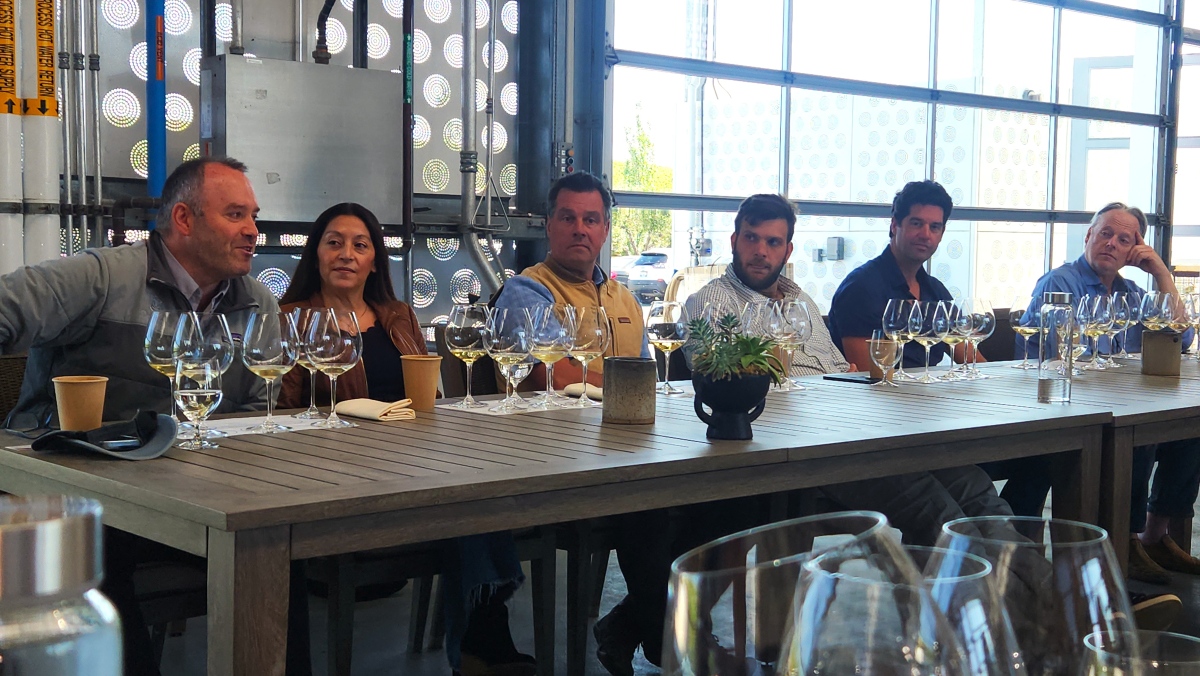
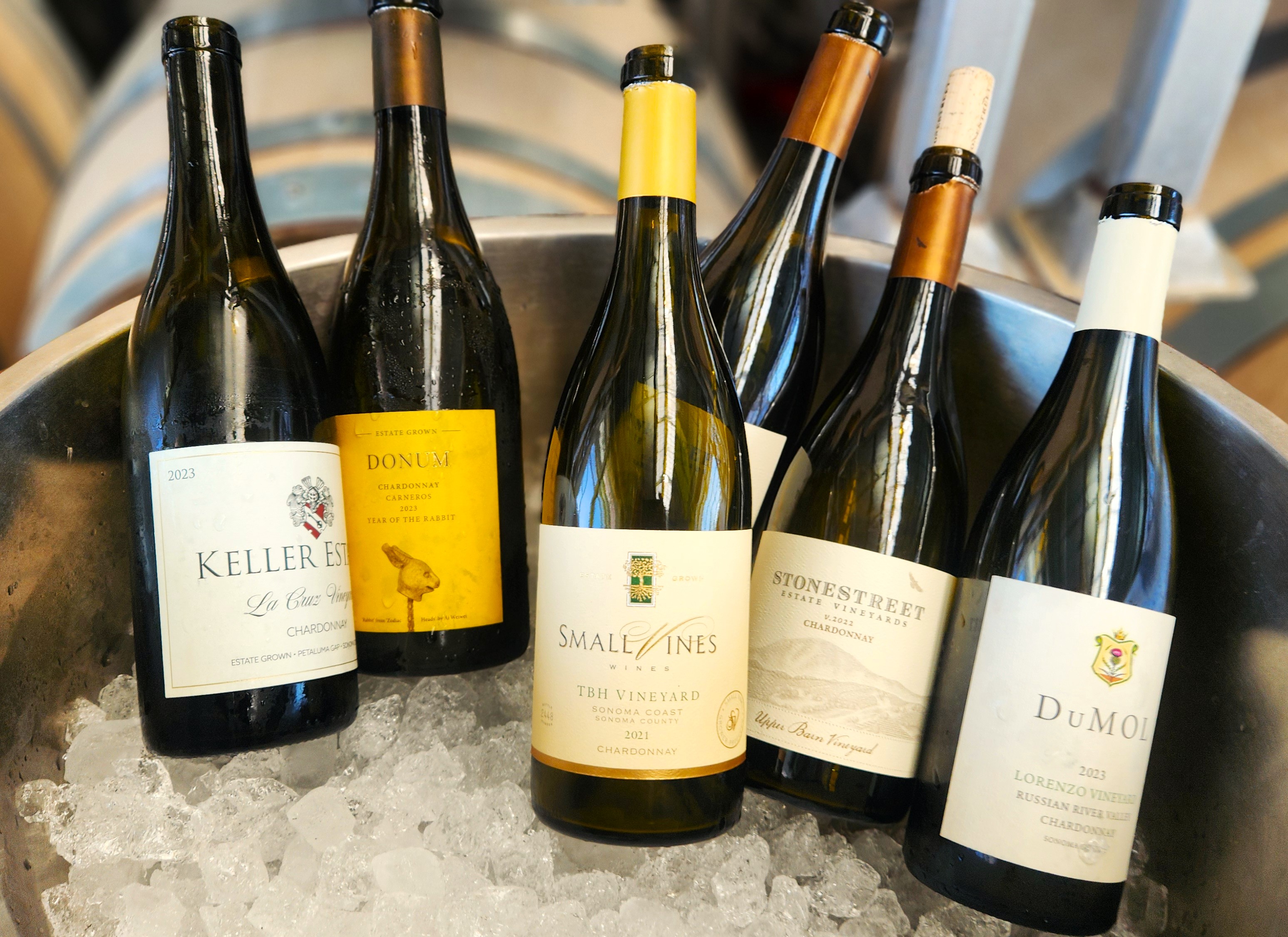
We were treated to five Chardonnays from five distinct regions, each a lens into Sonoma’s layered geography:
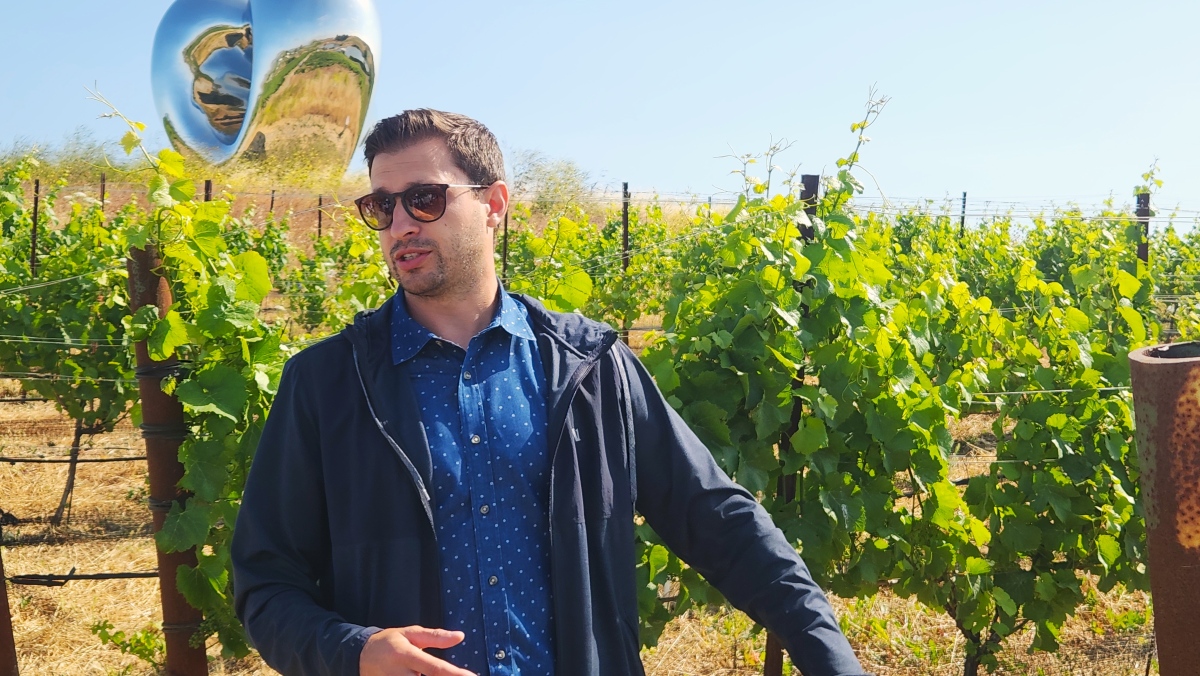
• 2023 Donum Estate Chardonnay (Carneros) – Dan Fishman, winemaker, explains that grapes with thicker skins shaped by Carneros’ persistent winds, yielding texture and resilience in the glass.
• 2023 DuMOL Winery Chardonnay (Russian River Valley) – WInemaker/owner, Andy Smith said his Chardonnay was softer and smoother, with the supple mouthfeel that defines this cool, fog‑kissed valley.
• 2023 Keller Estate Chardonnay (Petaluma Gap) – Winemaker Theresa Heredia described here Chardonnay as bright citrus at the front, tapering into a rounded, harmonious finish.
• 2023 Small Vines Chardonnay (Sonoma Coast) – Presented by owner‑winemaker Paul Sloan, this wine carried lower acidity and a delicate hint of melon.
• 2022 Stonestreet Estate Vineyards Chardonnay (Alexander Valley) – Presented by winemaker, Chris Jackson, balanced and rounded, a reflection of the valley’s warmth and pedigree.
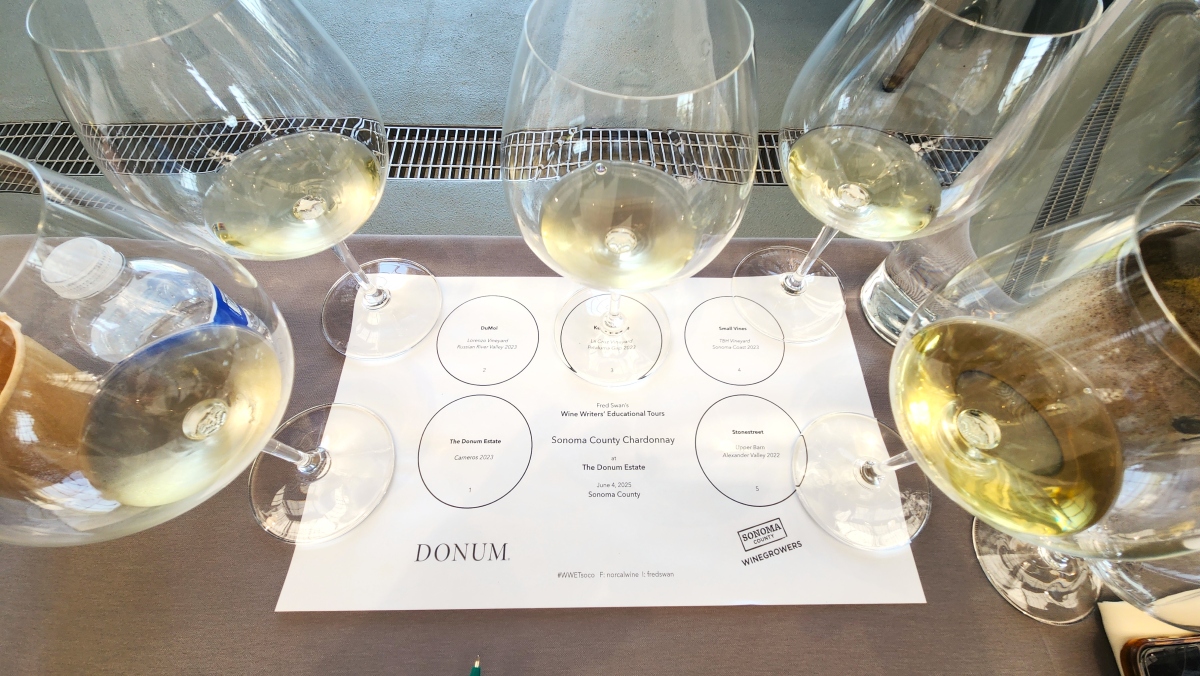
Together, these wines painted a vivid portrait of Chardonnay’s versatility across Sonoma. From wind‑shaped Carneros to the sunlit Alexander Valley, each glass revealed not only the character of its terroir but also the philosophy of its maker. All delightful and all quite different.
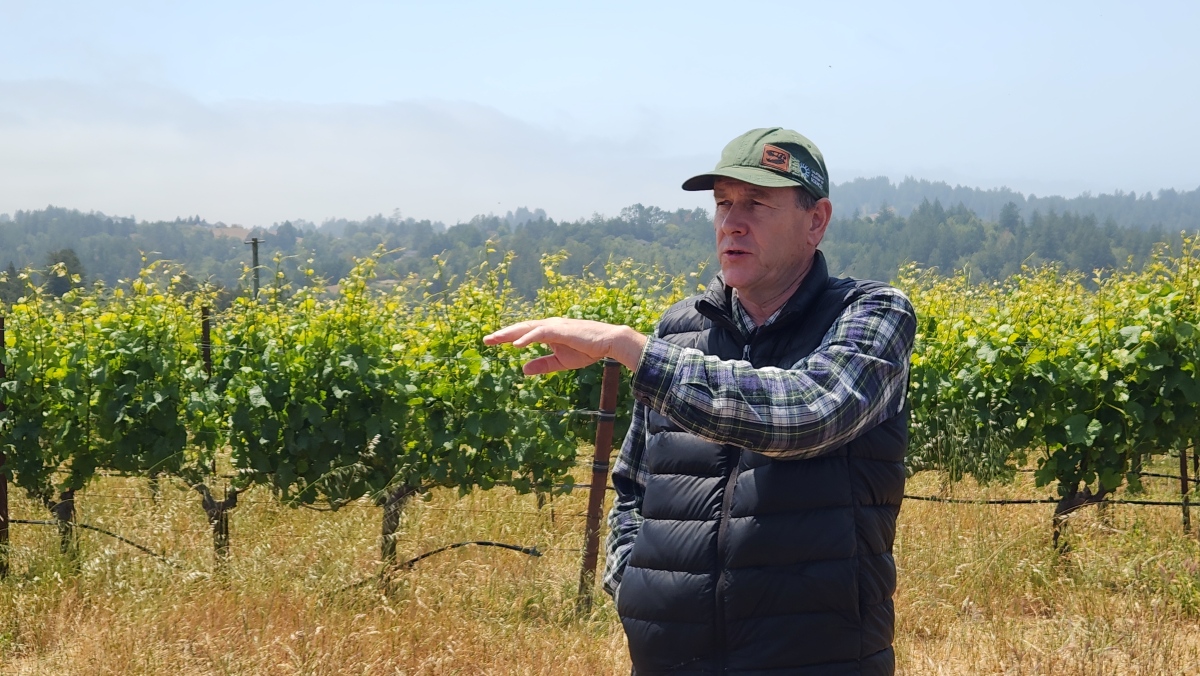
After lunch we drove into Sebastopol, where orchards give way to vineyards and the air carries a quiet hum of artistry. At Littorai, we were welcomed by iconic winemaker Ted Lemon and his team for a tasting that felt rooted in place. Standing among the vines of the Pivot Vineyard, we sampled the 2023 Pinot Noir—a wine that seemed to echo the soil beneath our feet. Later, the 2023 Pinot Noir from Richardson Ranch on the Sonoma Coast revealed a different voice: shaped by fog, wind, and the ocean’s cool breath. Both wines were classic Littorai, elegant yet expressive, and to share them in conversation with Ted was a rare privilege.
Our afternoon continued at MacRostie Winery, where the focus shifted to Chardonnay—a grape that reveals Sonoma’s diversity in striking ways. Gathered together were five winemakers, each presenting wines from their own corner of the region:
• Heidi Bridenhagen (MacRostie)
• Carroll Kemp (Alma Fria, co-founder winemaker)
• Eric Flanagan (Flanagan, owner/winemaker)
• Rob Harris (Three Sticks)
• Tiaan Lordan (Hartford Family)
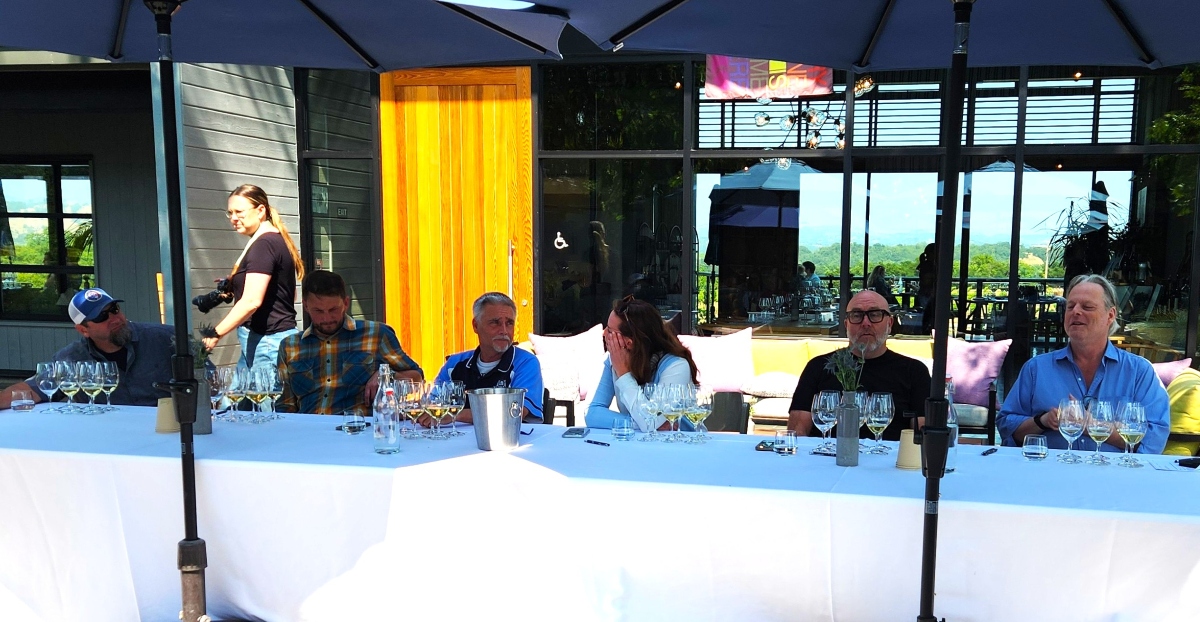
The tasting spanned six appellations, from the wind-swept Petaluma Gap to the rugged West Sonoma Coast—Annapolis, Freestone, Fort Ross, and Occidental—culminating with the broader Sonoma Coast. Each glass carried its own signature: brisk acidity from fog-laden vineyards, layered textures from rocky soils, and a purity of fruit that spoke to the land.
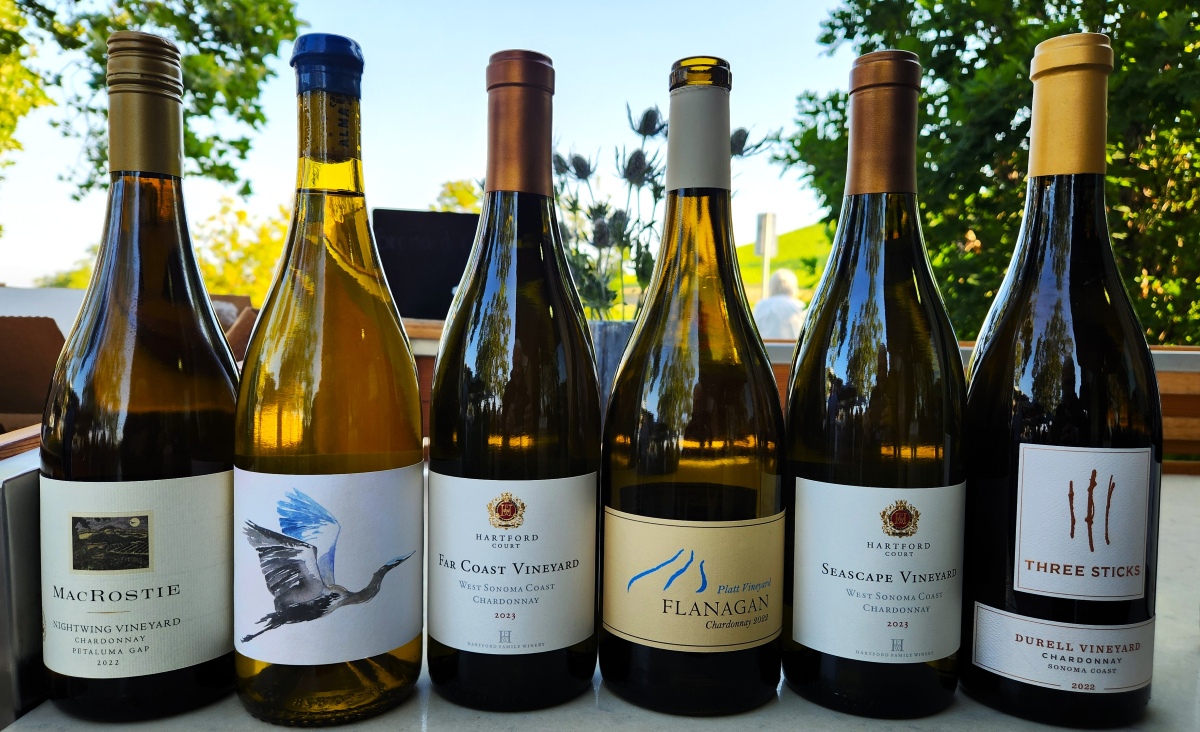
What struck me most was the distinctiveness of each expression. These weren’t variations on a theme, but individual voices in a chorus—high quality, precise, and deeply rooted in place. To experience them side by side, guided by the winemakers themselves, was both educational and inspiring.
After the break, we moved on to Pinot Noir produced by some of the same winemakers from the same impressive regions. Just too cool.
We ended Day 3 at DaVero Farms and Winery, where Ridgely and Colleen Evers welcomed us with a feast that unfolded like a journey. Each course was served in a different corner of the property—through gardens, orchards, and tucked-away spaces—paired with a distinctive DaVero wine. The progression felt immersive, connecting food, wine, and place in a seamless rhythm.
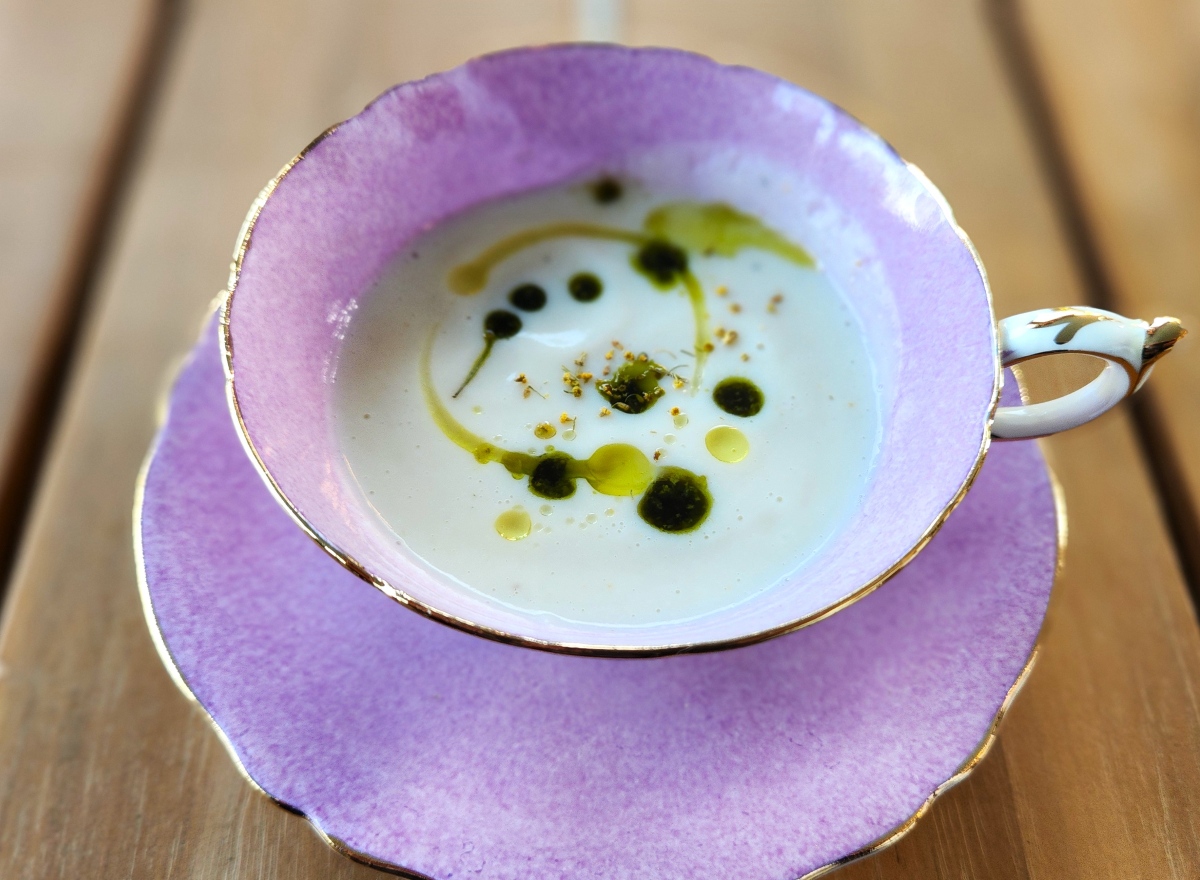
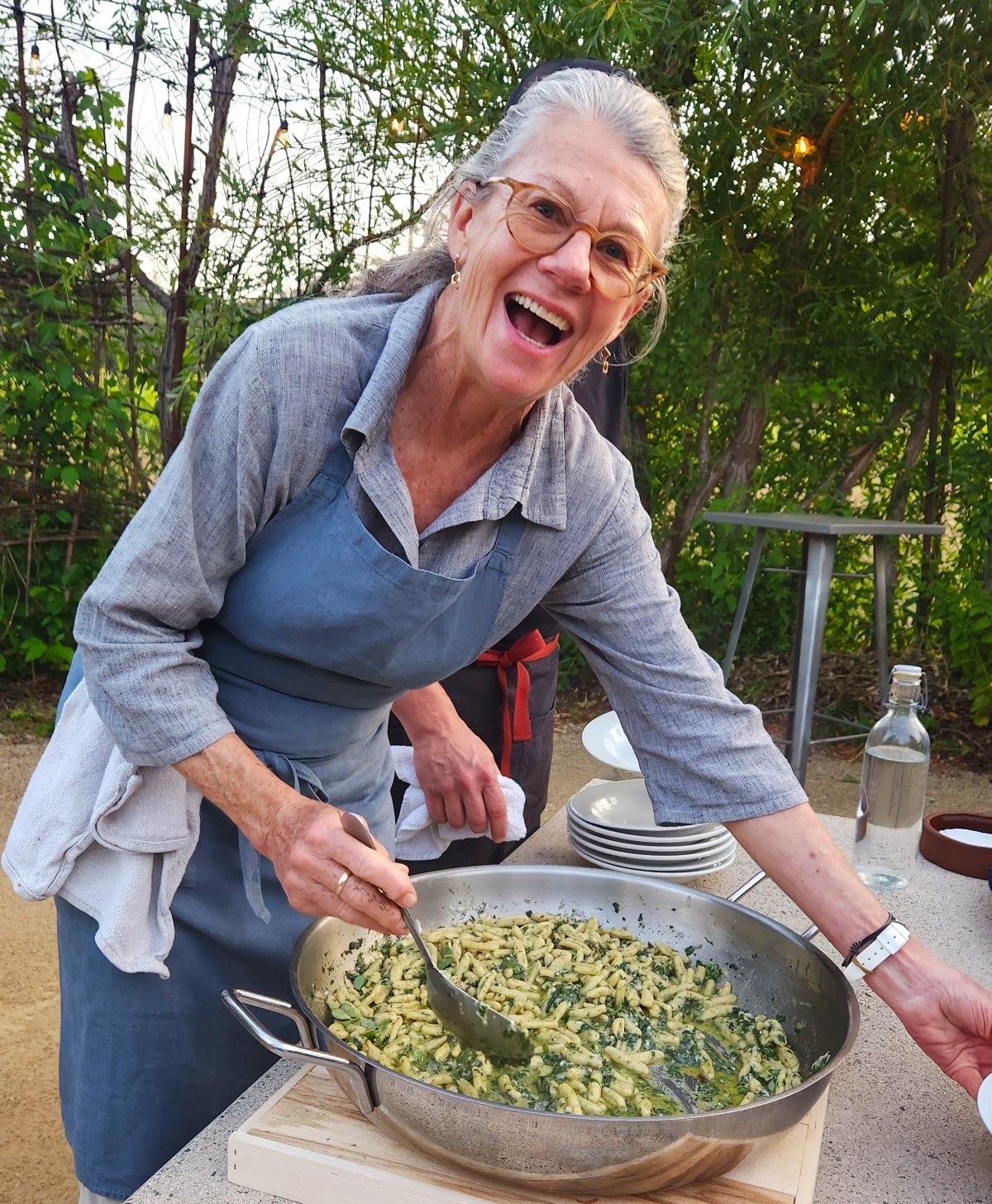
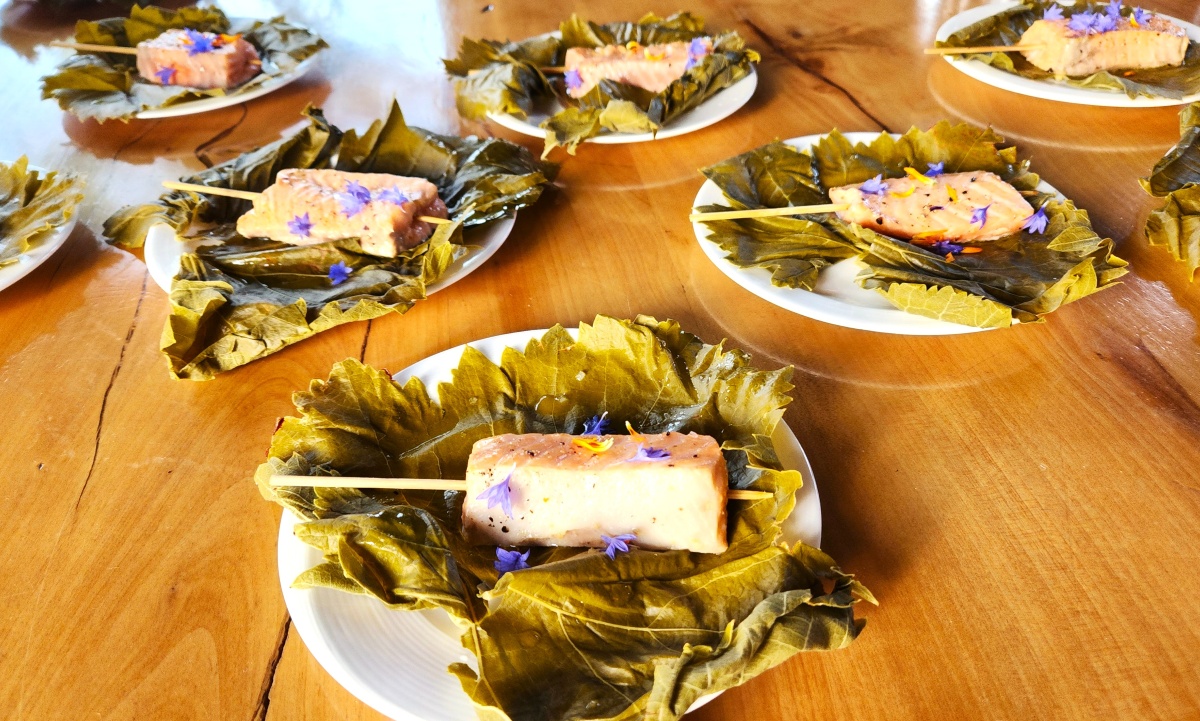
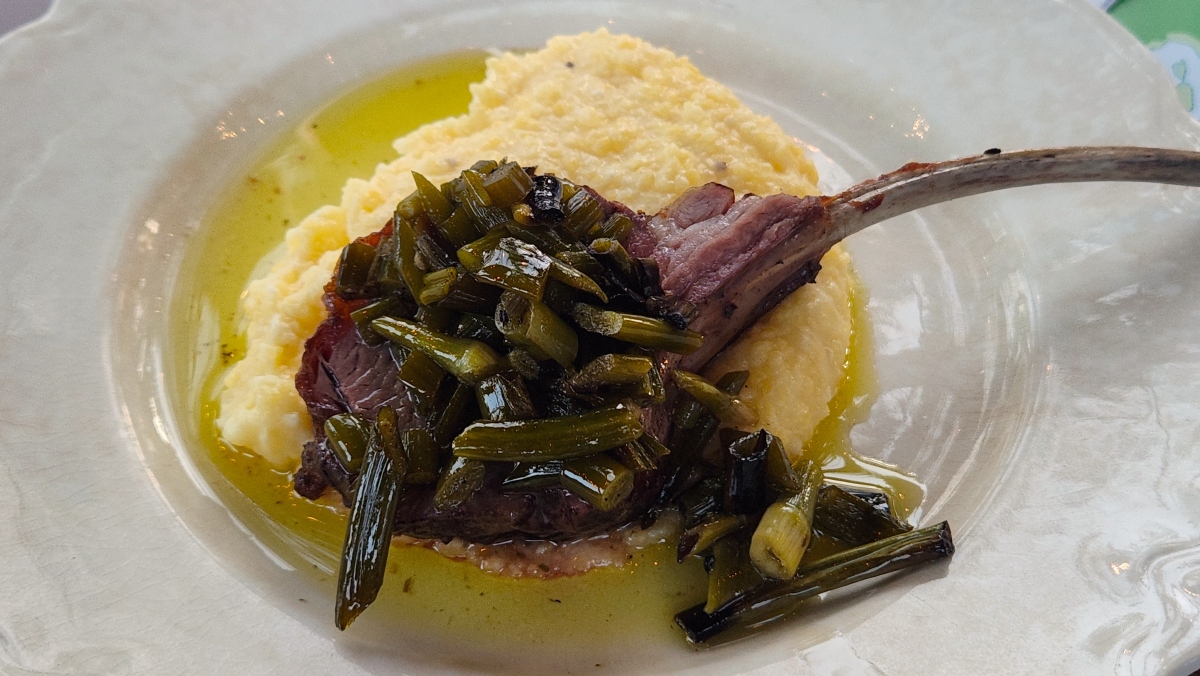
The highlight was the main course: Lamb Lollipops, paired with Ridgely’s home ranch Sagrantino. Bold, earthy, and unmistakably Italian in character, it was a perfect match. Ridgely’s passion for Italian varietals shone through in every glass, from crisp whites to deeply structured reds.
By the end of the evening, we had tasted more than 20 wines in a single day through four venues — a whirlwind of discovery, capped by DaVero’s brilliance and hospitality.
Check back soon for the highlights of our Optional Day 3+1 (Day 4) experience in Sonoma County beginning on the Sonoma Coast.
Sure enjoyed your descriptive tour. And my new word of the day is “terroir”. 😊
Glad you enjoyed, John. Best to you and Kathy. 🙂 J&L