Sonoma County Wine Country – Deep Dive: Day I
Posted on November 23,2025 By John Compisi
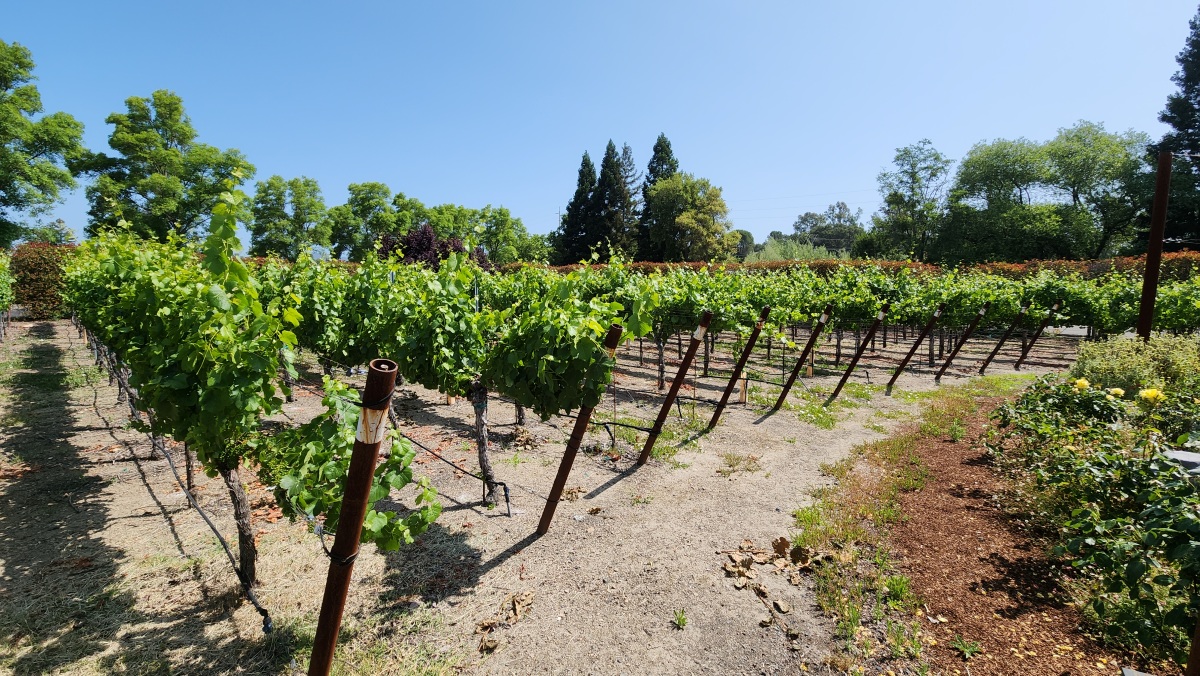
Sonoma County unfolds like a painter’s dream — a mosaic of rolling vineyards, windswept coastlines, and river-carved valleys. From the serene expanse of Lake Sonoma to the charm of the town of Sonoma itself, every bend in the road offers a new vignette of California’s wine country at its most soulful.
We, Linda and I, along with about 20 other wine writers, returned to this landscape (formerly our home) as part of our fourth Wine Writers Educational Tour (WWET), a tradition that has become both a professional deep dive and a personal joy. Curated with precision and passion by wine educator extraordinaire Fred Swan, the tour continues to be a masterclass in terroir, technique, and storytelling. This was day one of our four-day adventure — a journey not just through vineyards and valleys, but through stories, flavors, and friendships.
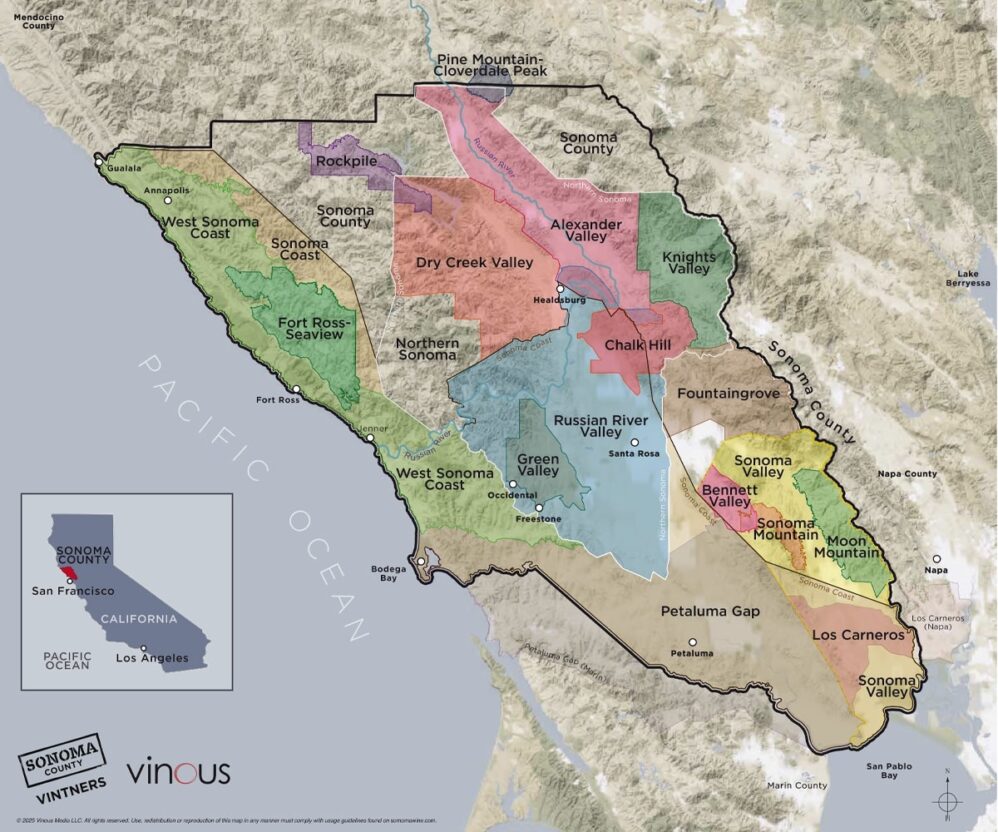
Sonoma County, just an hour north of San Francisco, spans over 60,000 acres of vineyards and boasts more than 400 wineries spread across 19 American Viticultural Areas (AVAs). Unlike Napa’s polished glamour, Sonoma leans into earthy charm, sustainability, and diversity of microclimates, making it ideal for growing over 60 grape varieties.
Our WWET journey began in Napa (2018), wandered through the earthy elegance of Willamette (2019), and embraced the bold character of Paso Robles (2022). Sonoma, with its layered geography and diverse microclimates, felt like a culmination — a place where the threads of previous tours converged into a rich, sensory tapestry.
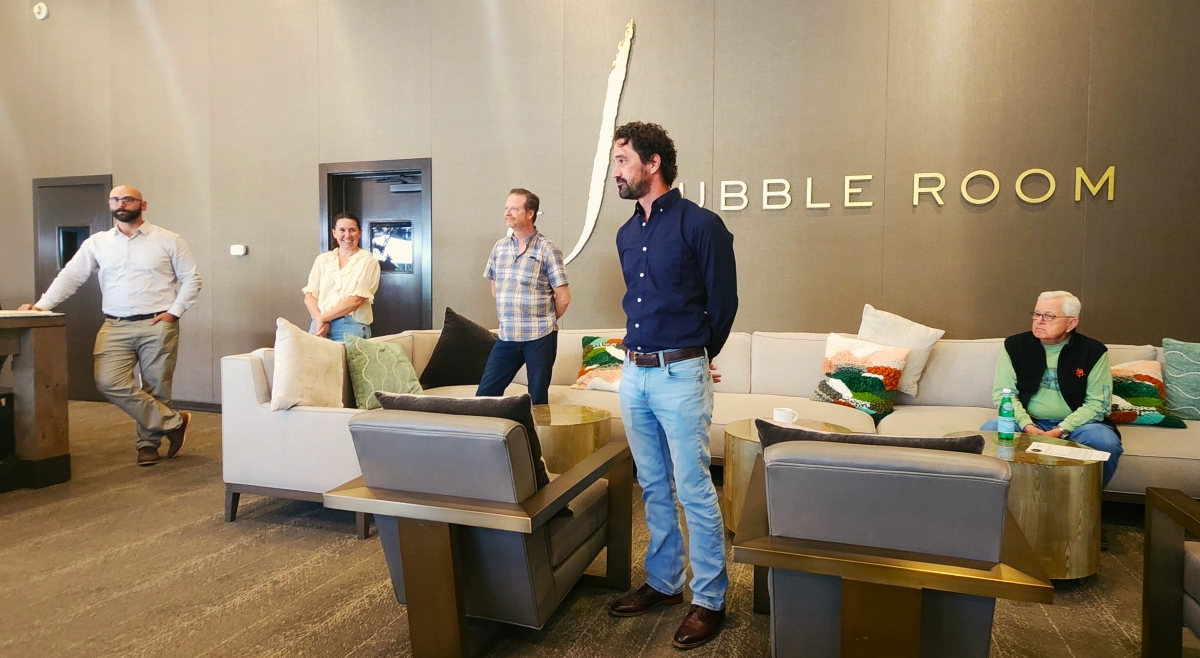
Each Wine Writers Educational Tour, curated with precision by Fred Swan, unfolds as a 3+1 day immersion into the heart of a wine region. On average, we meet with up to 60 winemakers, tasting alongside them as many as 180 wines — each glass a story, each vineyard a chapter. Sonoma County was no exception. From the fog-kissed coast to the sun-drenched valleys, the region offered a kaleidoscope of terroir and technique, matched only by the generosity and insight of its winemakers. From the moment we arrived, it was clear that this experience would be about more than wine. It would be about connection — to the land, to the people, and to the legacy they nurture with every harvest.

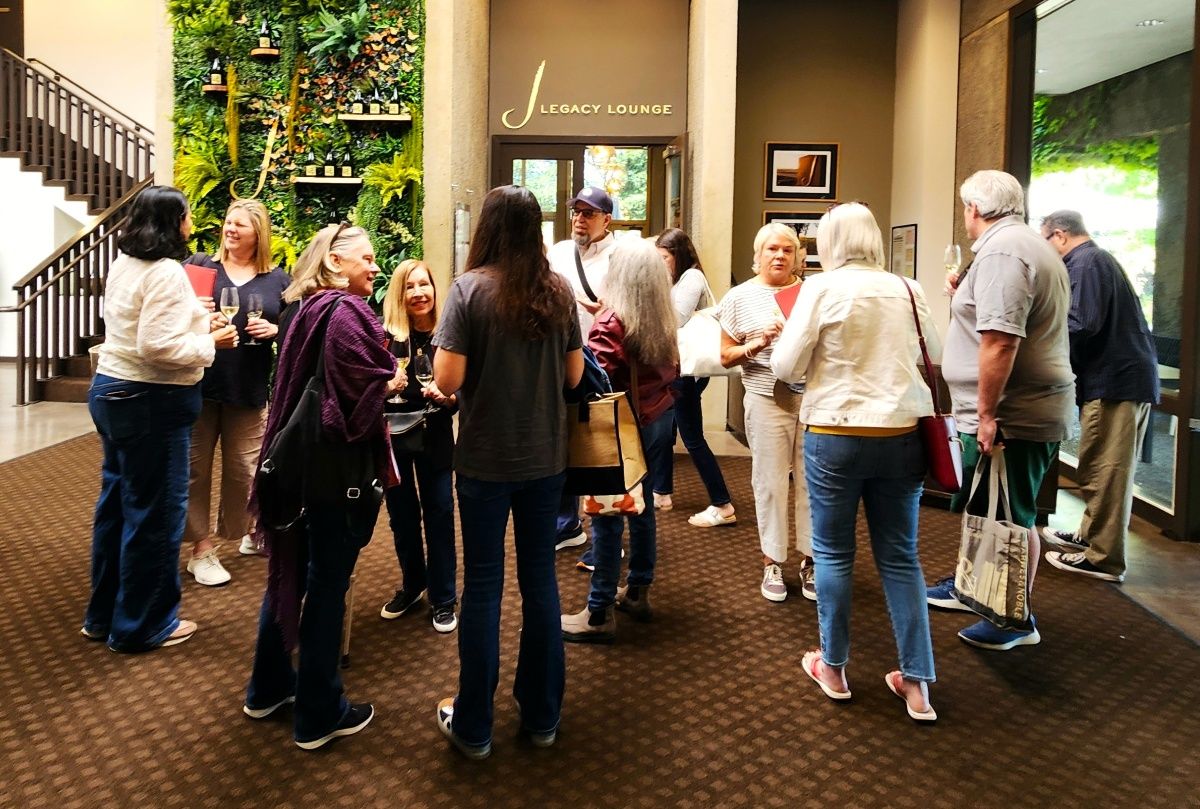
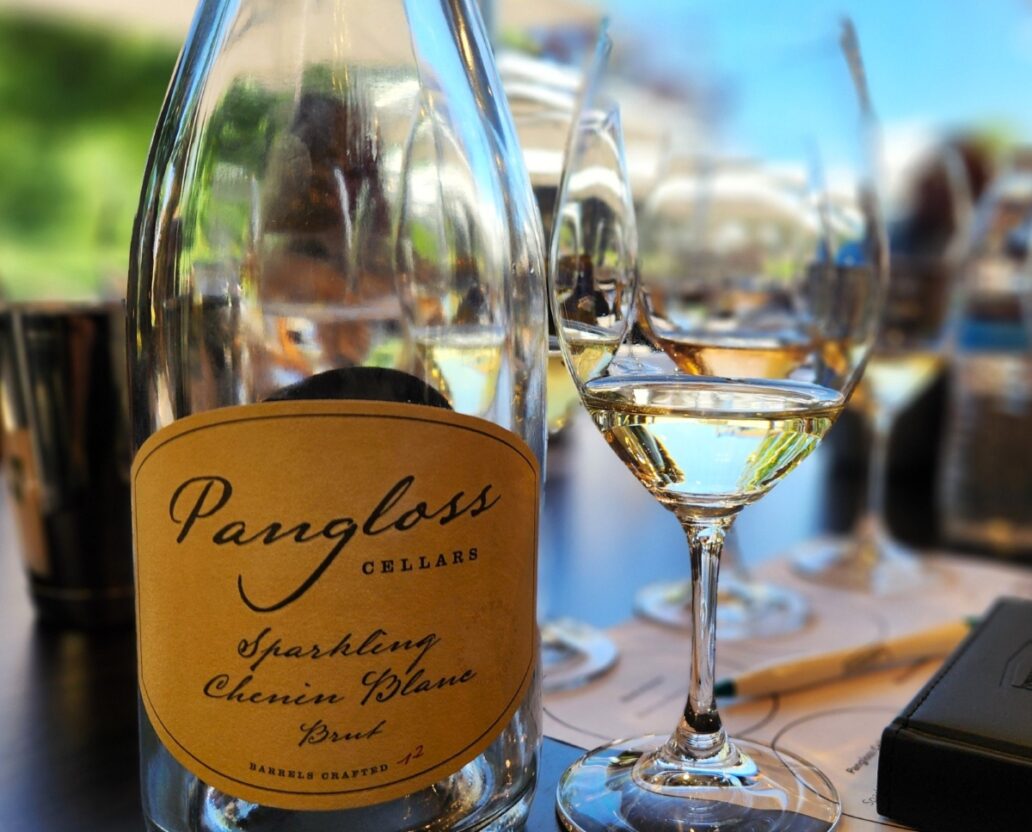
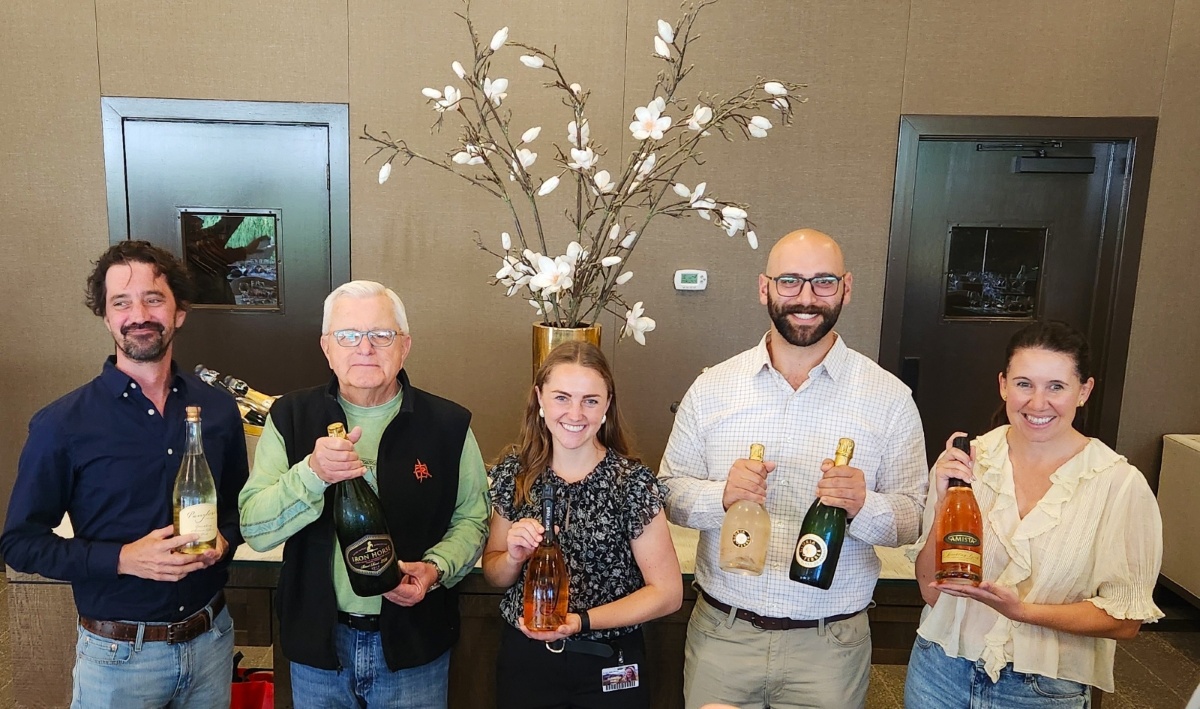
We kicked things off with a sparkling start — quite literally — at J Vineyards & Winery, where Sonoma County’s exceptional sparkling wine programs took center stage. Participating sparkling producers included: Gloria Ferrer, Ironhorse Vineyards, Amista Vineyards and Pangloss Cellars. It was a masterclass in craftsmanship and regional expression, each glass a celebration of precision, patience, and place. There’s no better way to begin a day in wine country than with bubbles that speak of soil and skill.
From there, the day deepened. Karissa Kruse, Chief Executive Officer and President of the Sonoma County Winegrowers (SCW) enlightened the group about Sonoma County wine production, the region’s regenerative farming practices and its profound commitment to its farm workers. It was both inspirational and deeply moving, a reminder that if you take care of your employees, your employees will take care of your business.
In Sonoma, stewardship isn’t a trend; it’s a tradition evolving with intention. The afternoon unfolded in shades of Pinot Noir. Hosted at Gary Farrell Vineyards & Winery, the first panel offered a deep dive into the nuanced geography of Sonoma County, spotlighting several of its 19 distinct AVAs: Russian River Valley, Green Valley, Carneros, Petaluma Gap, Sonoma Coast, Bennett Valley, and Sonoma Mountain. Each region, shaped by its own microclimate and soil composition, revealed a unique voice in the glass.
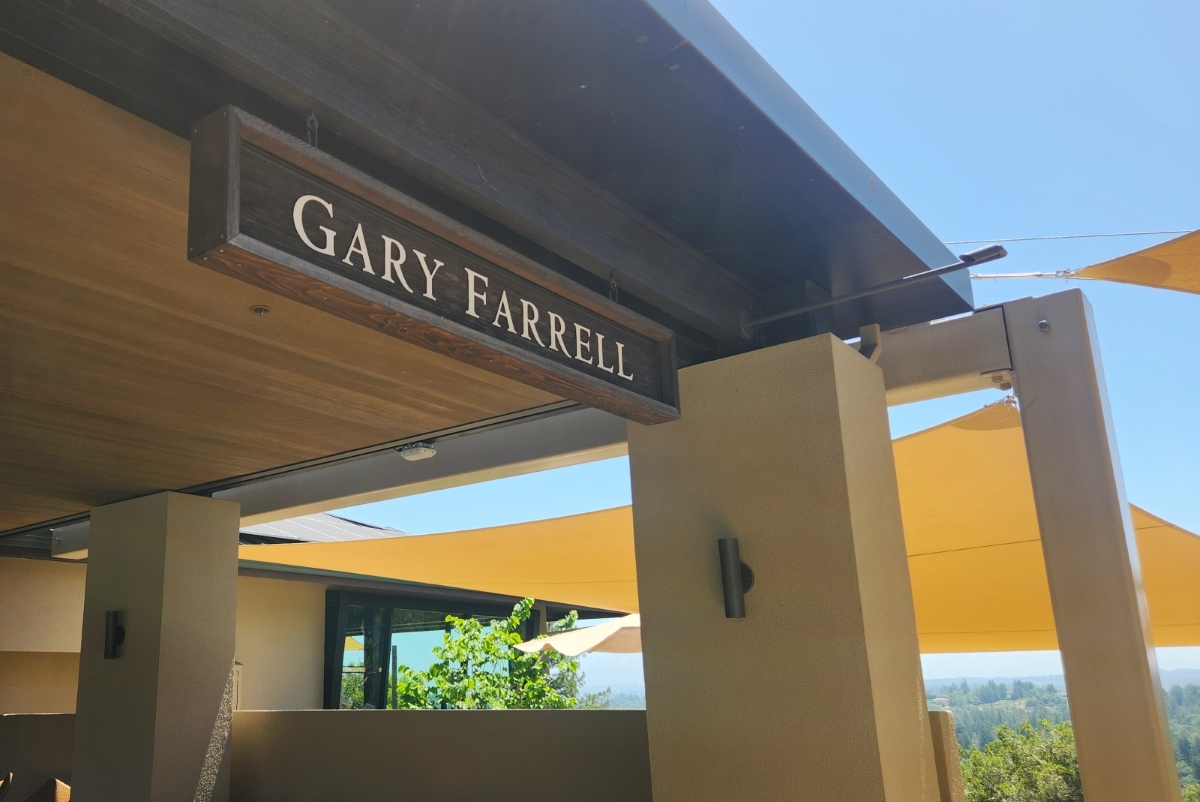
The wines presented by Gary Farrell, Anaba, Joseph Jewel, Red Car, Brookes Note and Sandler were eloquent ambassadors of place — some bright and red-fruited, others earthy and brooding, all expressive of the land from which they came. It was a tasting that doubled as a geography lesson, a sensory map drawn in aromas and textures. The diversity within Sonoma’s Pinot Noir offerings is not just impressive; it’s instructive, reminding us that terroir is not a static concept but a living dialogue between nature and nurture.
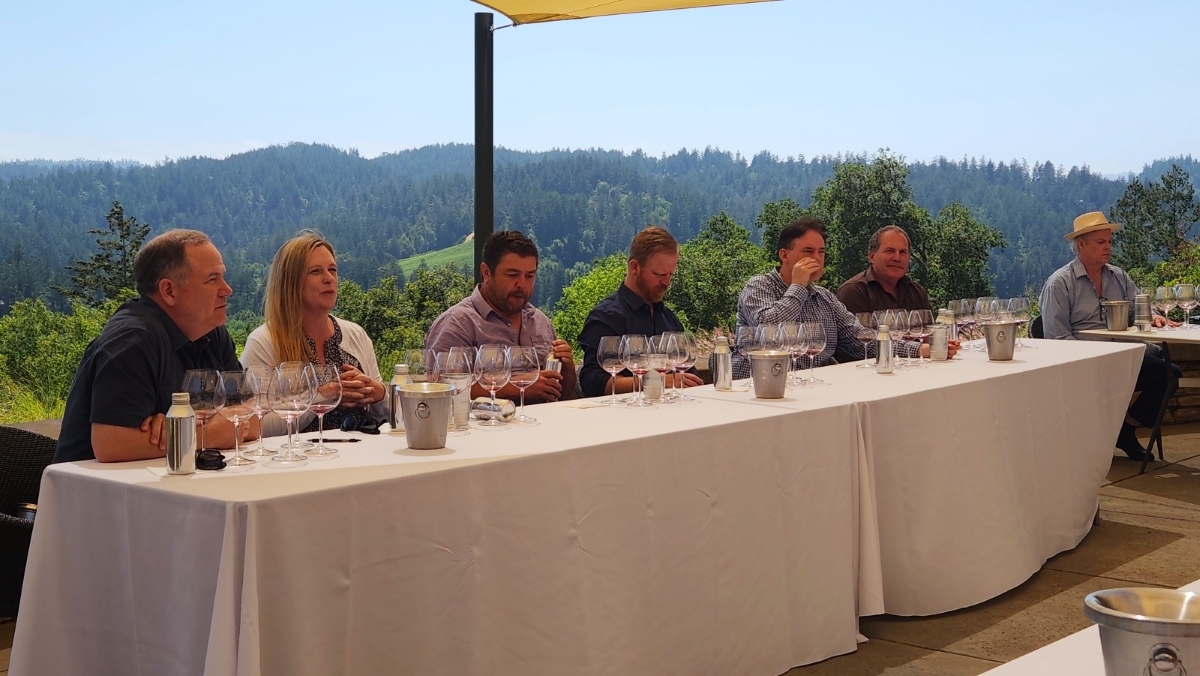
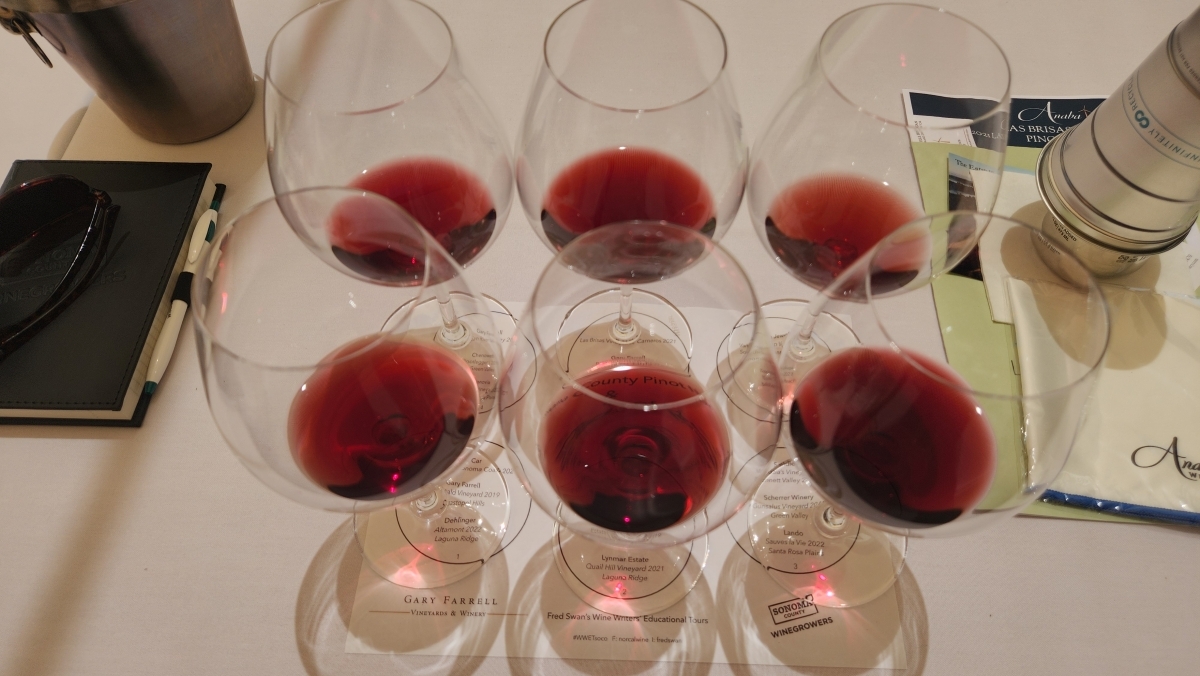
The second panel zoomed in on the Russian River Valley, revealing the intricate mosaic of six distinct neighborhoods, each with its own climate signature and terroir-driven personality. From the very cool nights of Santa Rosa Plains to the wind-swept, rainier slopes of Sebastopol Hills; from the persistent fog of Green Valley to the air-drained, temperate haven of Laguna Ridge; from the sun-kissed warmth of Middle Reach to the elevated, slightly warmer Eastern Hills — the diversity was as stunning as it was delicious.
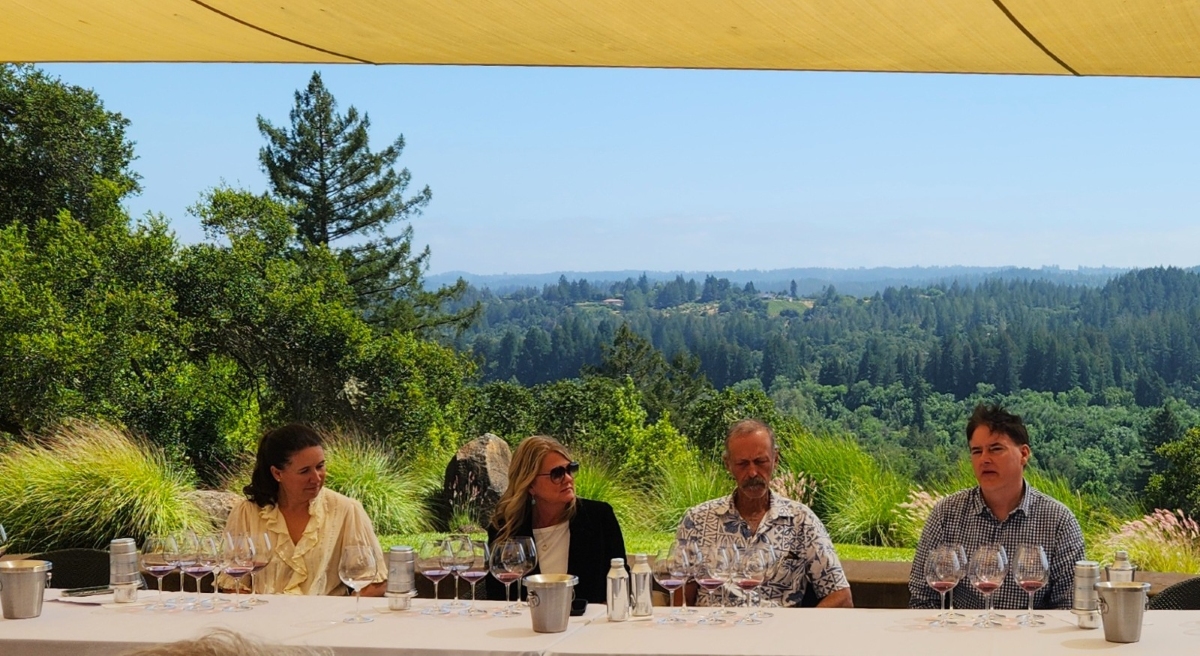
Guided by two passionate panels — (1) Brent McCoy (Gary Farrell), Fred Scherer (Scherer Winery), Amy Chenowith (Chenowith Vineyard), and Ashley Herzberg (Bacigalupi Vineyards) and 2. Eva Dehlinger (Dehlinger), Pete Soegel (Lynmar), Sam Lando (Lando), Mike Sullivan (Benovia), and Greg LaFollette and Melissa Moholt-Siebert (Ancient Oaks).
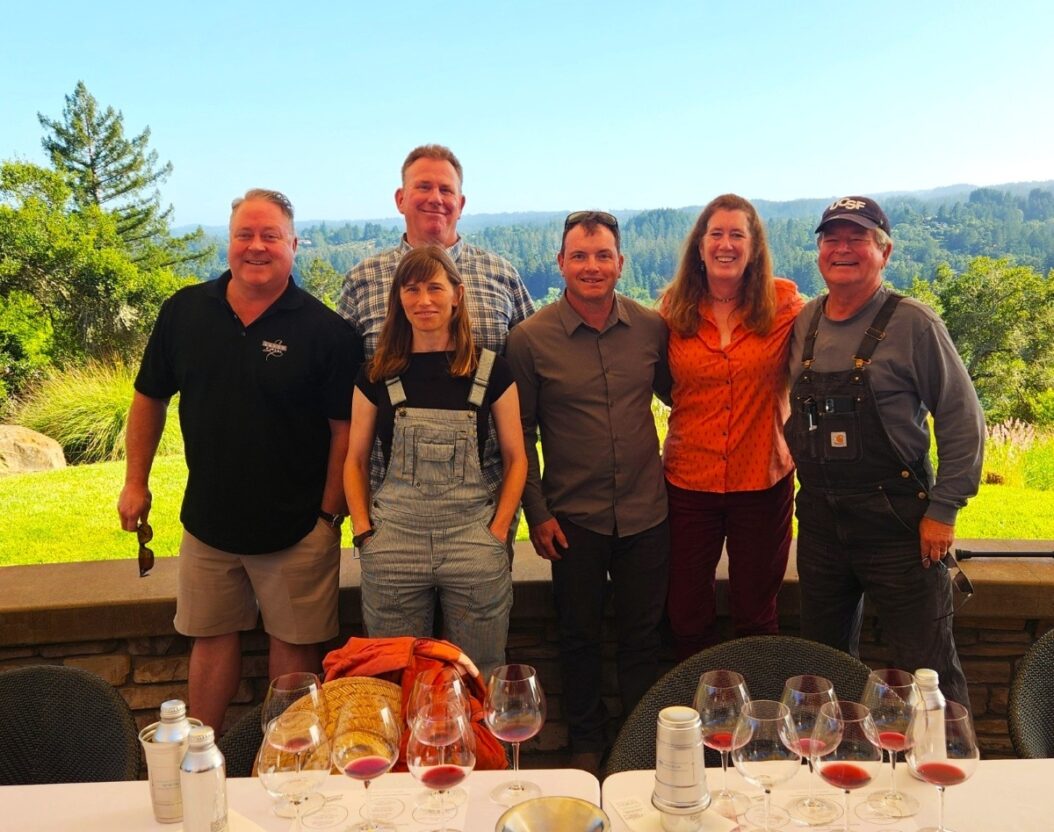
With both groups, we tasted our way through a landscape shaped by fog lines, soil types, and elevation shifts. Each wine told a story: of place, of patience, of people who know their land intimately. It was a sensory journey through Sonoma’s Pinot Noir heartland, where climate and craft converge in the glass.
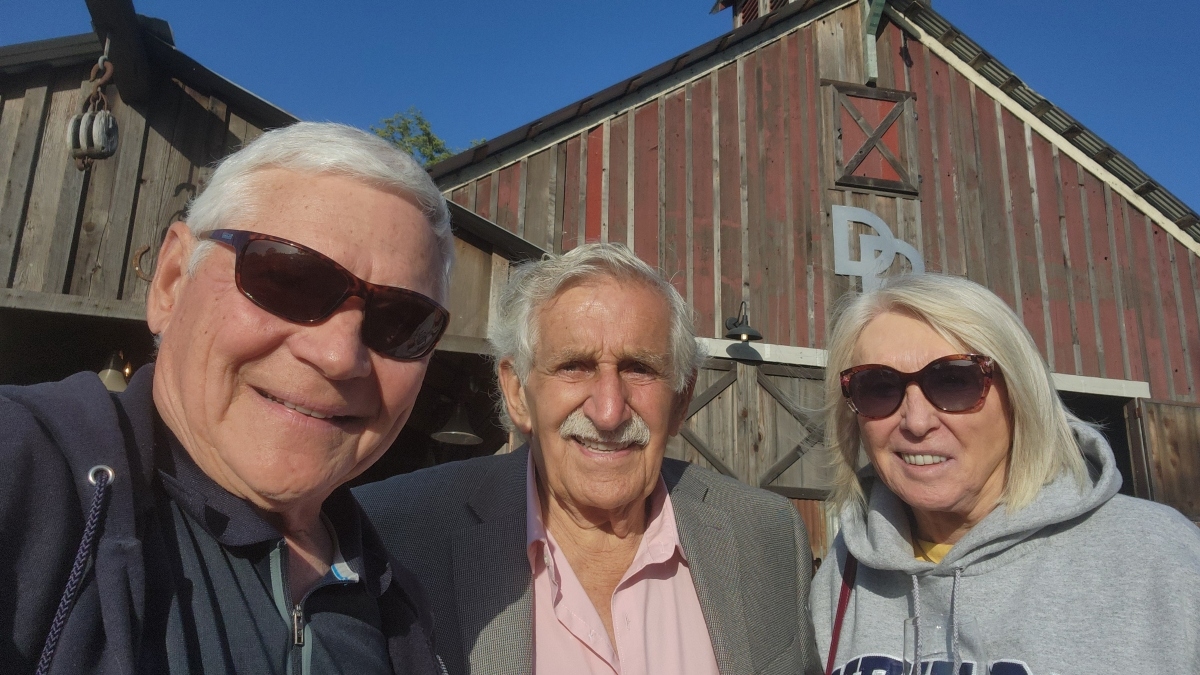
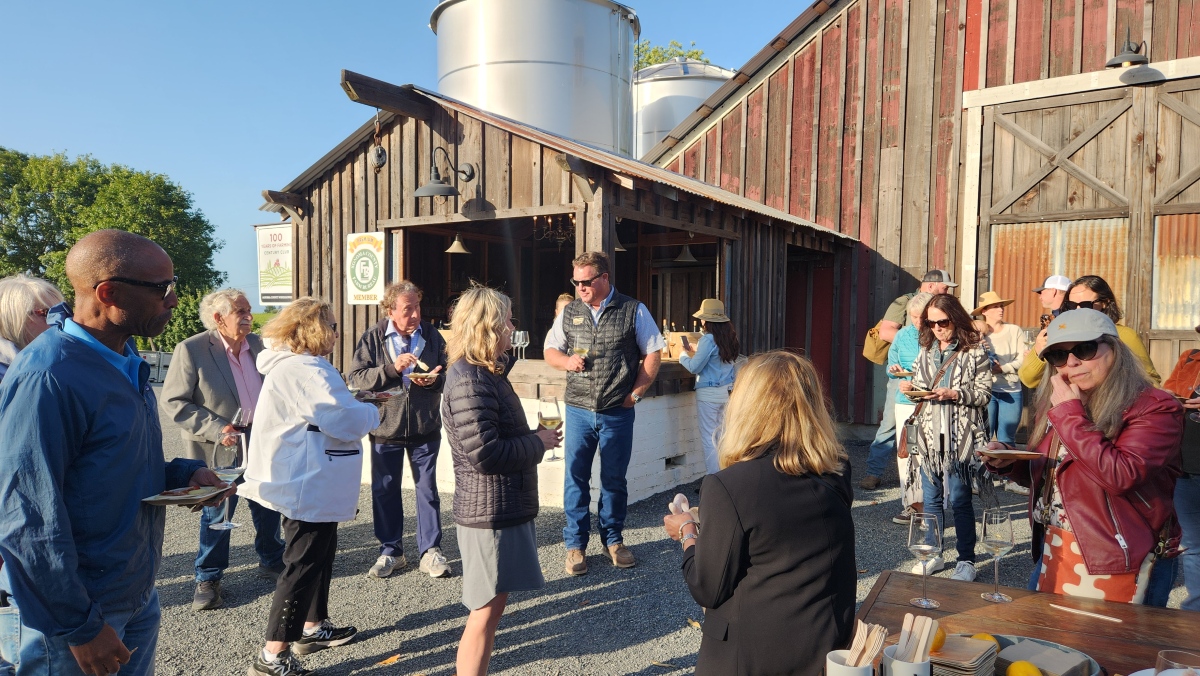
We closed the day with an unforgettable dinner in an historic barn at Dutton Ranch Vineyards. Upon arrival we were offered appetizers, bubbly and a choice of white or red wines. We gathered around long tables with seven families from the Century Club Growers of Sonoma County — farmers whose roots in this land stretch back more than a century. These are stewards in the truest sense, families who have weathered droughts, fires, market shifts, and generational change, yet remain deeply committed to the soil beneath their feet.
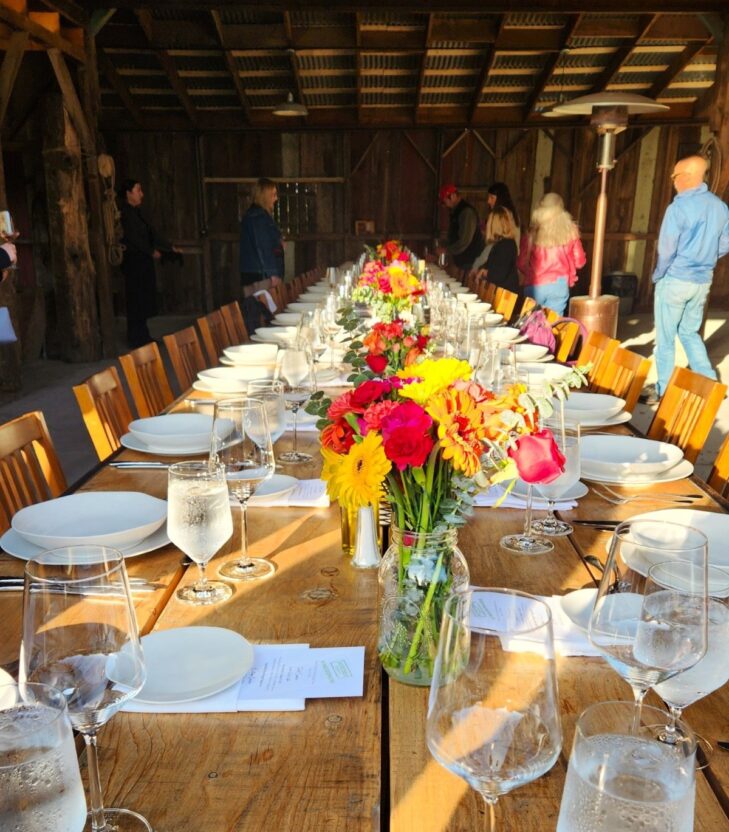
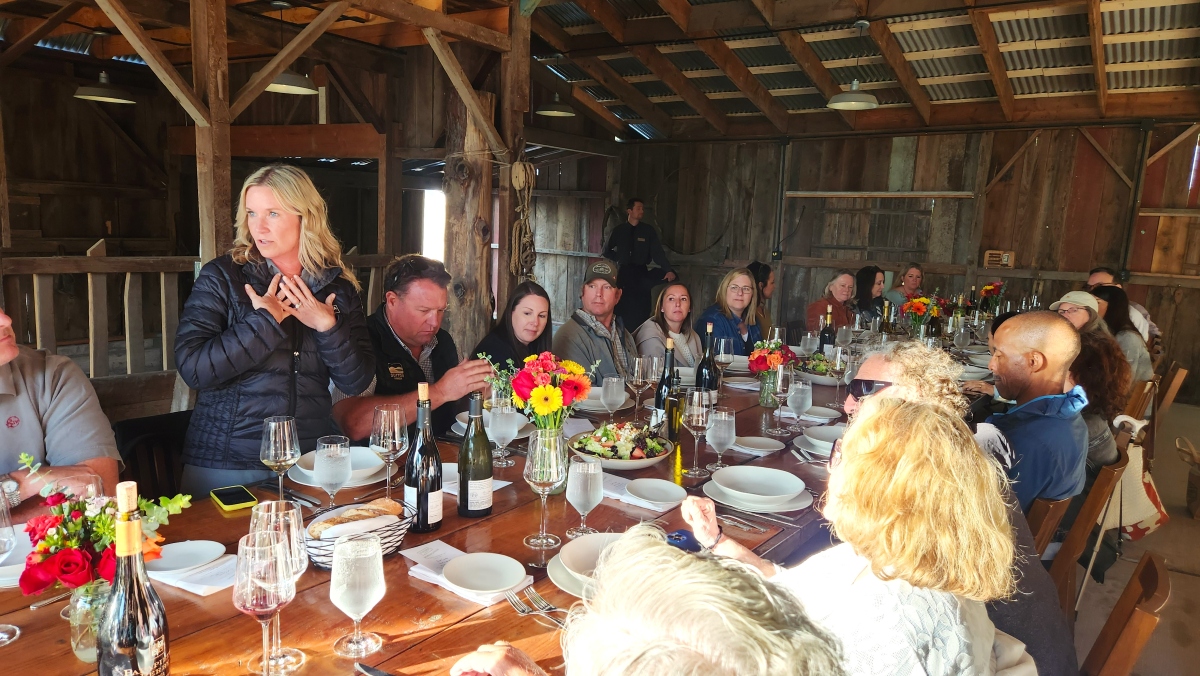
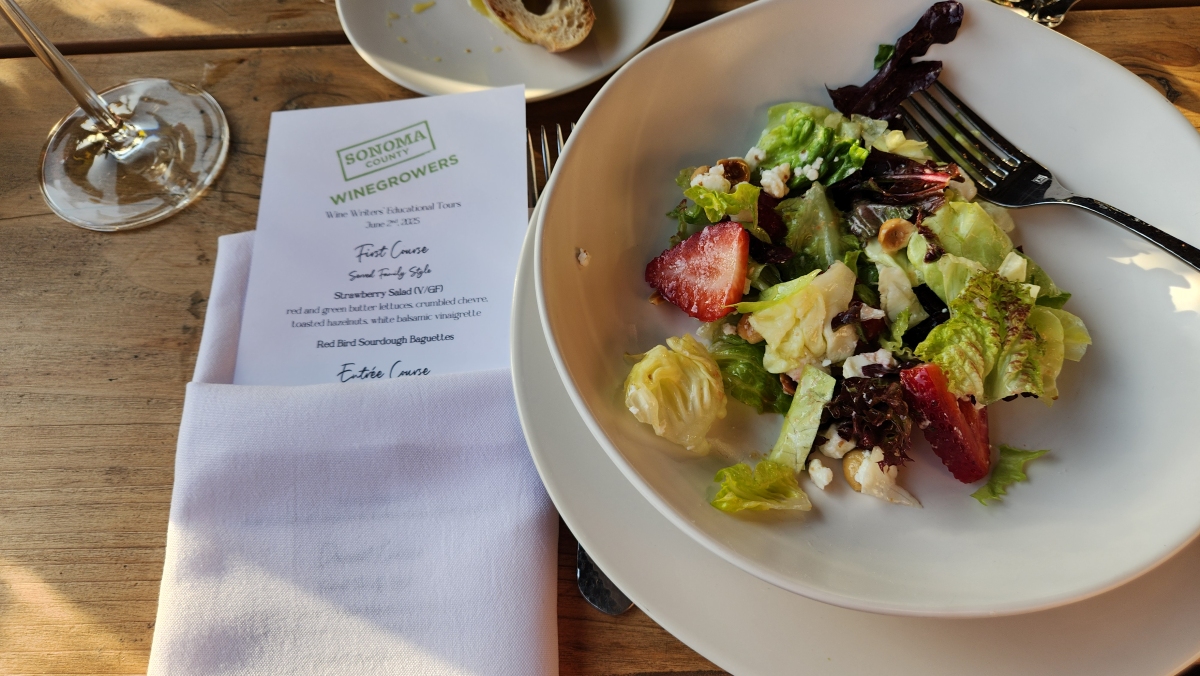
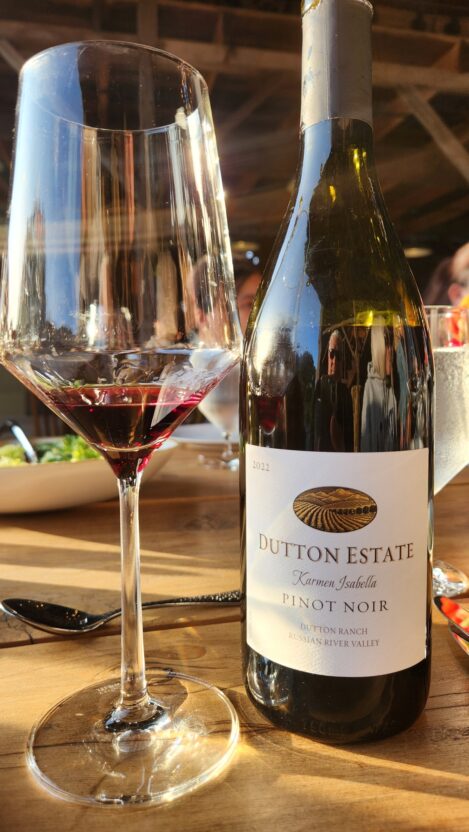
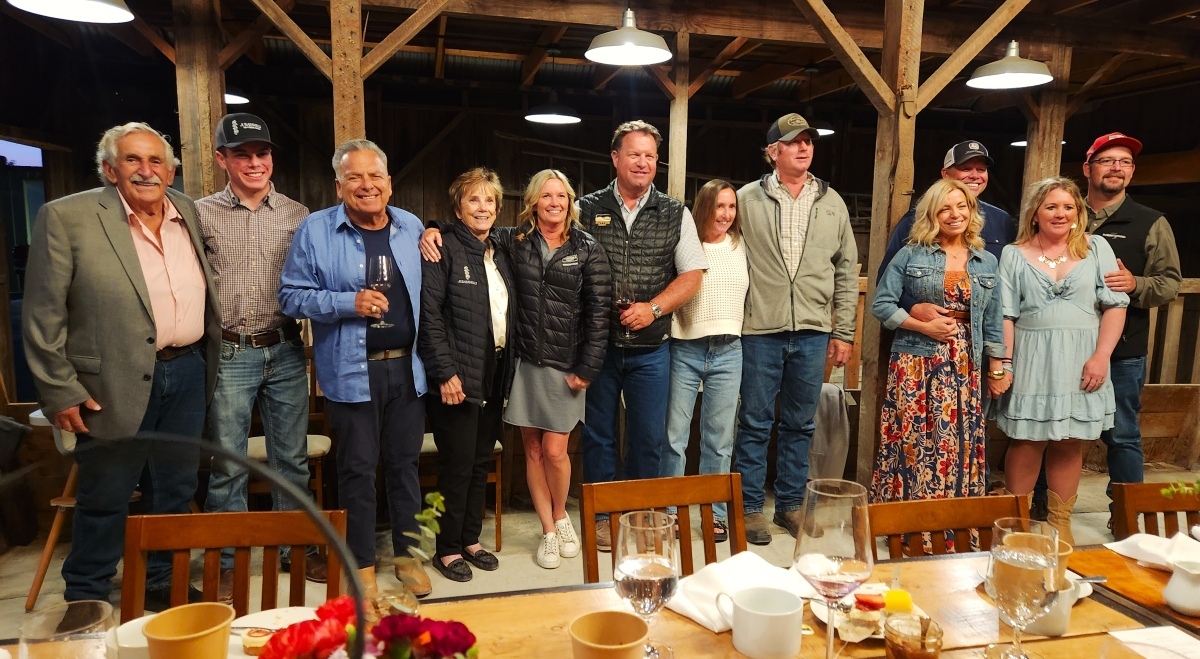
To date, there are 30 families in Sonoma County’s Century Club — each one a living testament to endurance, adaptation, and generational stewardship. Sitting beside seven of them at Dutton Ranch Vineyards, sharing food, stories, and wines drawn from personal cellars, felt like stepping into the heartbeat of the region. These weren’t just farmers; they were historians, caretakers, and community builders. Joe and Steve Dutton, our gracious hosts, welcomed us with warmth and generosity, sharing stories of their family’s deep-rooted history in Sonoma County. Families in attendance included: the Dutton Family, the Sanchietti Family, the Munselle Family, The Rafanelli Family, the Leras Family, The Azevedo Family and the Serres Family (below).
Dinner was a feast for every palate — a multi-course celebration featuring fish, beef, pork, and chicken, each dish thoughtfully prepared and beautifully paired. It was a meal that reflected the same care and intention as the wines themselves.
One day in, and we’re already inspired.