NORWAY – LAND OF FJORDS: Part II – Following the Vikings
Posted on August 8,2025 By John and Linda Compisi
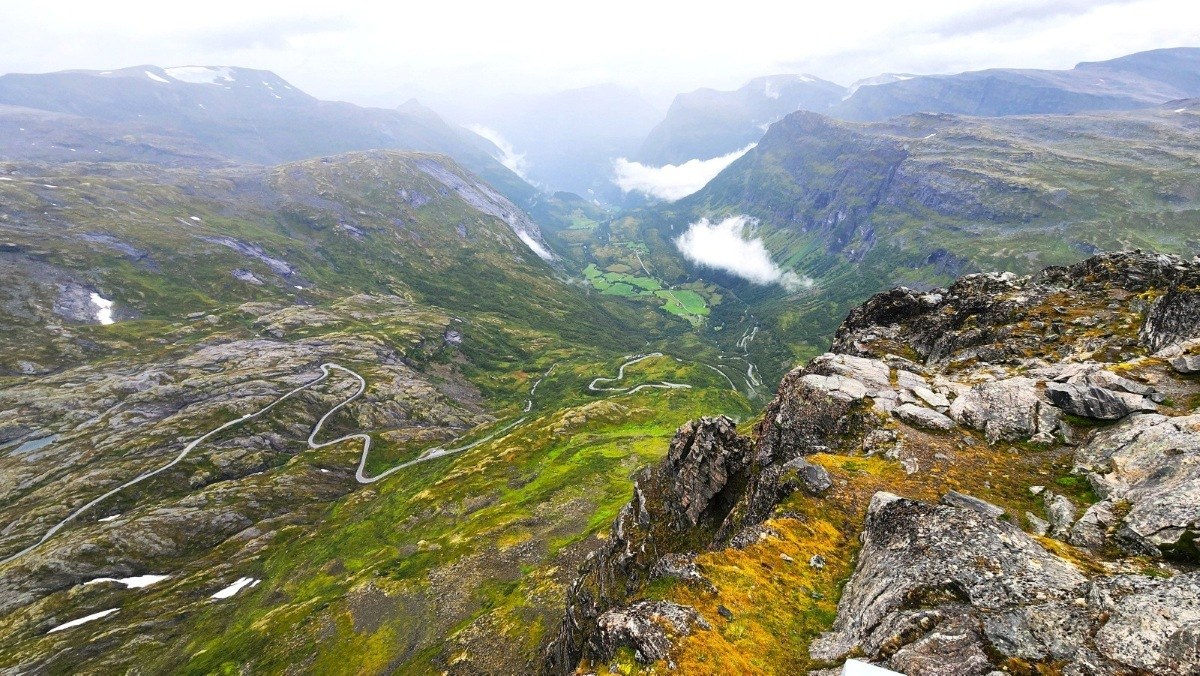
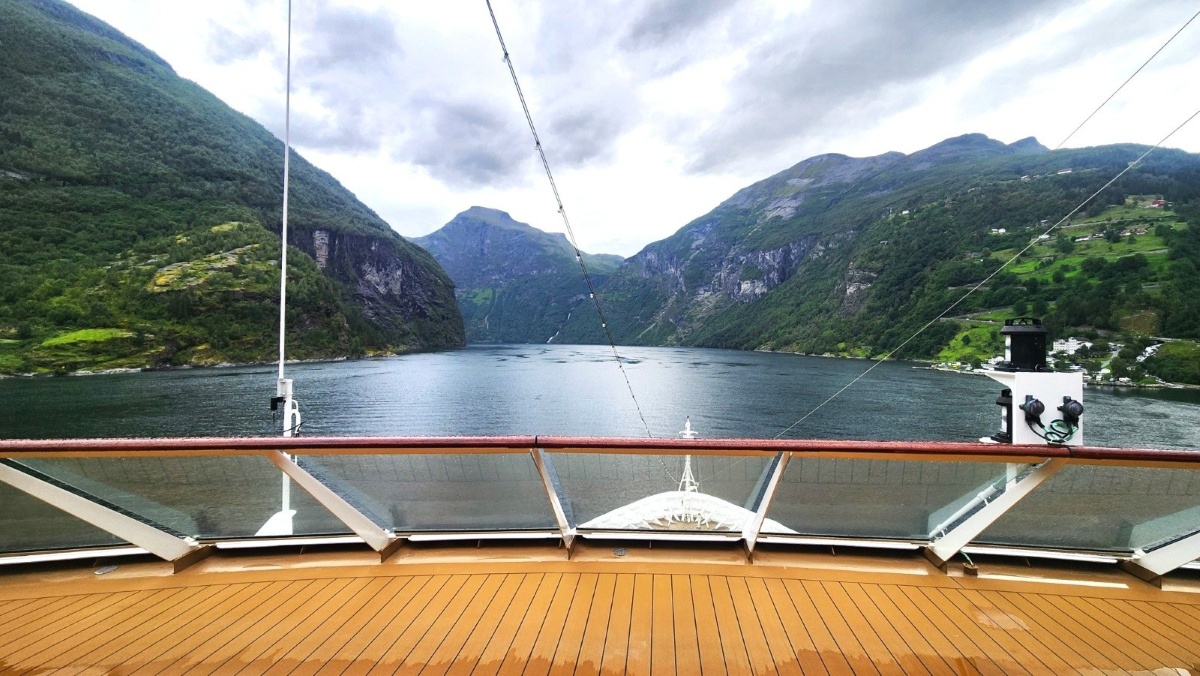
Geiranger is Norway’s postcard come to life—where towering cliffs, cascading waterfalls, and deep blue fjords create one of the most iconic landscapes in Scandinavia. Nestled in the Sunnmøre region of Møre og Romsdal county, this tiny village is the gateway to the UNESCO-listed Geirangerfjord, often hailed as one of the most beautiful fjords in the world.
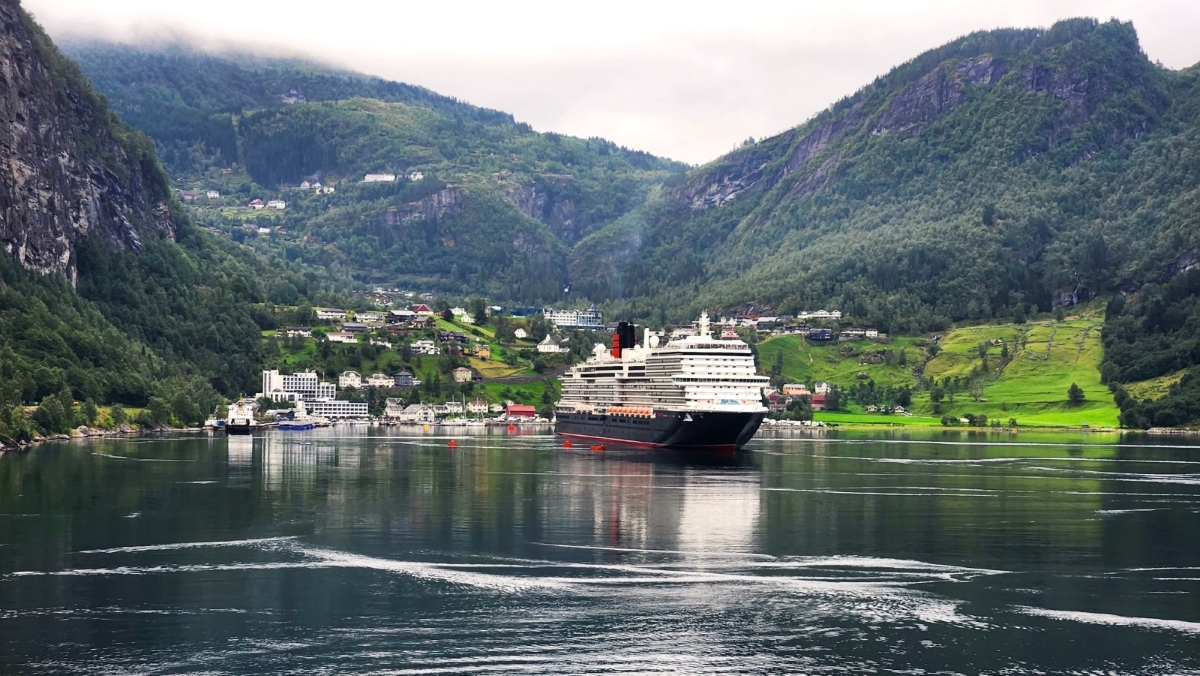
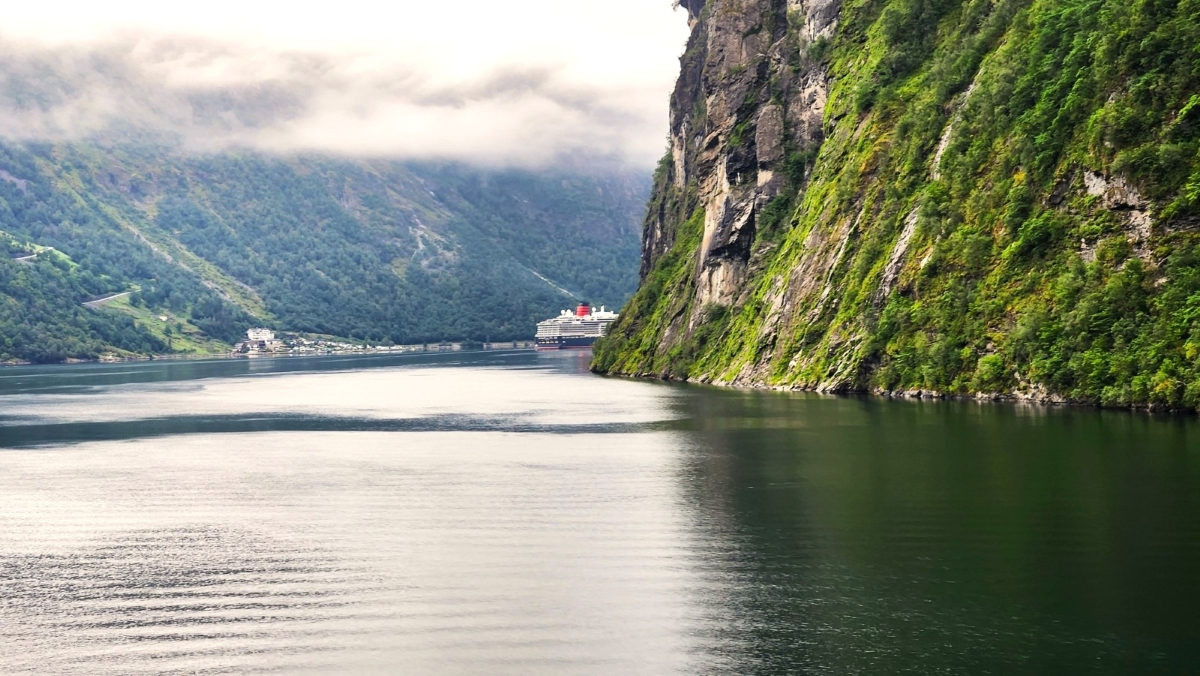
Fjords are essentially flooded glacial valleys, characterized by their length and narrow width, often with steep cliffs rising from the water and often surrounded by dramatic mountains, creating a stunning and dramatic landscape. The fjords in Iceland were beautiful but those we experienced in Norway were Spectacular. Towering cliffs, lush greenery, waterfalls cascading into glassy waters—Norway’s fjords are postcard-perfect and often feel serene and majestic. In addition, Iceland has dozens while Norway has thousands. They leave an imprint on your memory.
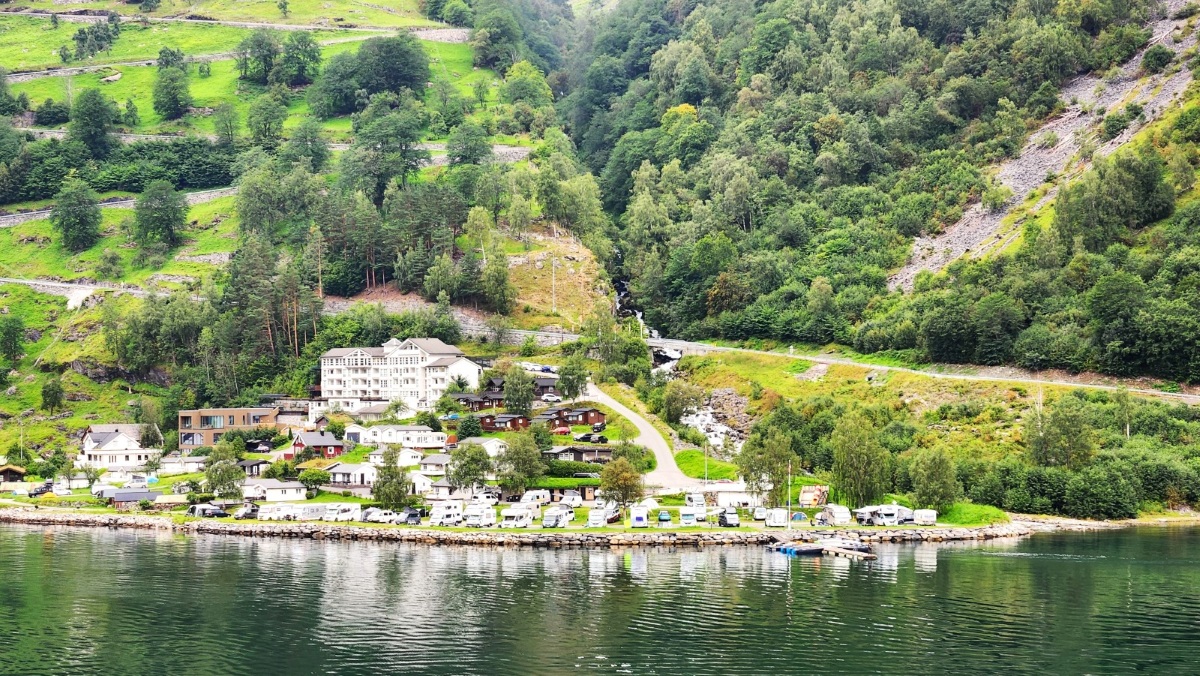
Geiranger was our first port call for the 2nd part of our 3-part series on ‘Following the Vikings’. Part I detailed our 9 days in Iceland and the Faroe Islands of Denmark. We left Tórshavn, the Capital of the Faroe Islands, and cruised the North Sea for more than 24 hours. As an appropriate diversion, the talented Viking entertainers performed a rousing tribute to ABBA, the world famous and iconic Swedish band. It was a kick.

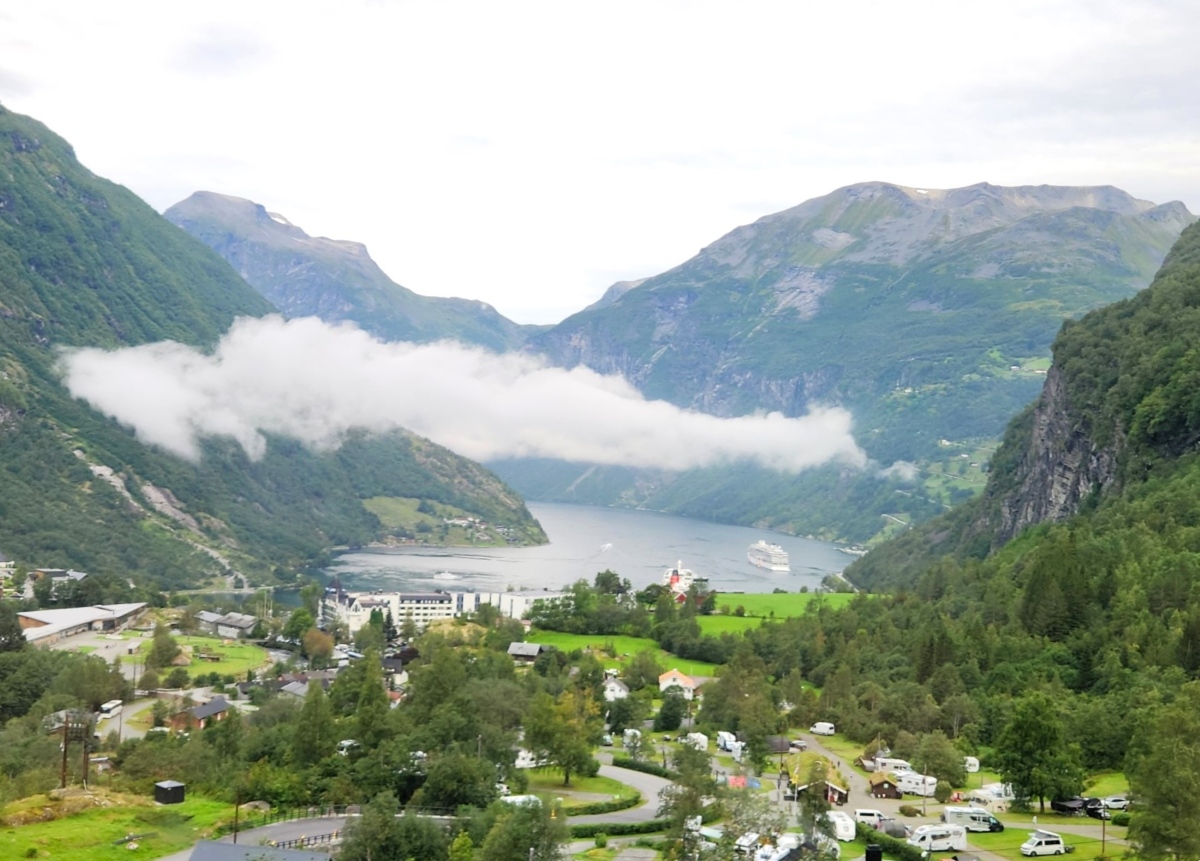
We sailed into the Geirangerfjord, in early morning and stood stupefied by the absolute splendor of this world heritage site, with its towering cliffs, cascading waterfalls, and deep blue waters. We disembarked and boarded a motor coach for a scenic mountain drive and Dalsnibba climb.
The drive up Nibbevegen Road, which winds up from Geiranger with 11 hairpin turns and a 10% gradient was thrilling and culminated in jaw-dropping scenery. Our tour allowed for multiple stops to view this amazing fjord from various elevations. We were surprised to see a cycling race underway up the road which was exhausting just to watch. We stopped at the stomach churning Geiranger Skywalk, a dramatic viewing platform with glass railings and a sheer drop beneath your feet. It delivers panoramic views of the Geirangerfjord, surrounding mountains, and even the Blåbreen glacier.
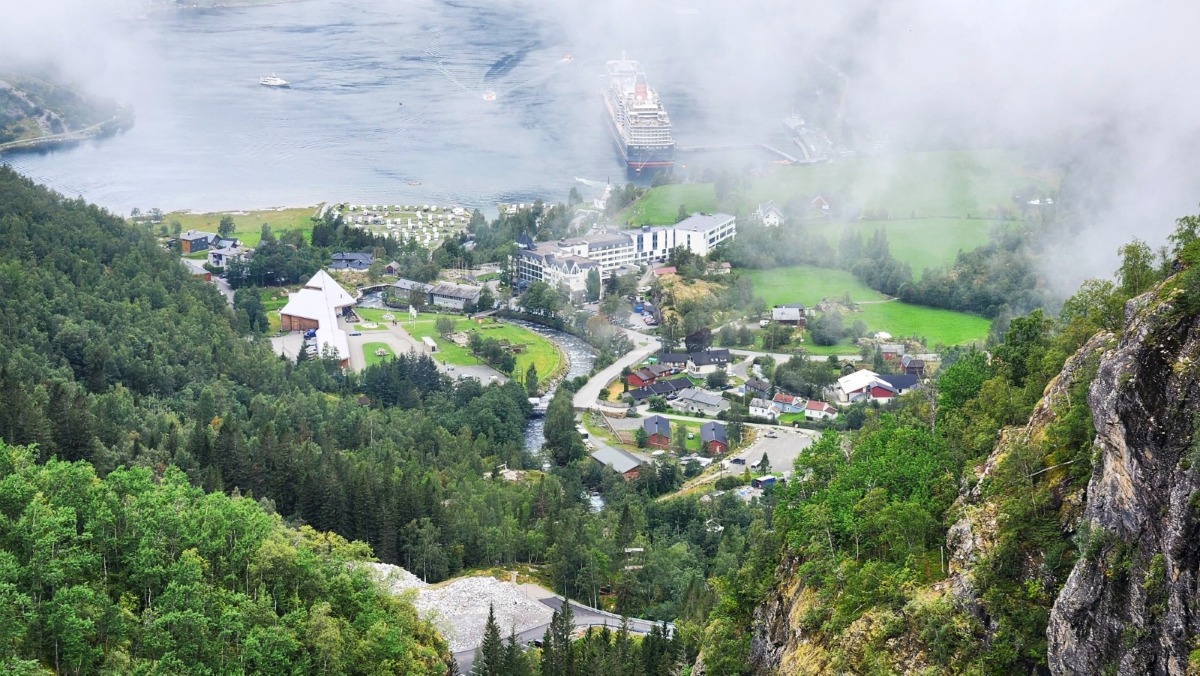
The Dalsnibba is a breathtaking mountain peak in Stranda Municipality. It towers at an elevation of 1,476 meters (4,843 feet) and offers one of Europe’s highest fjord views accessible by road. Truly stupendous.
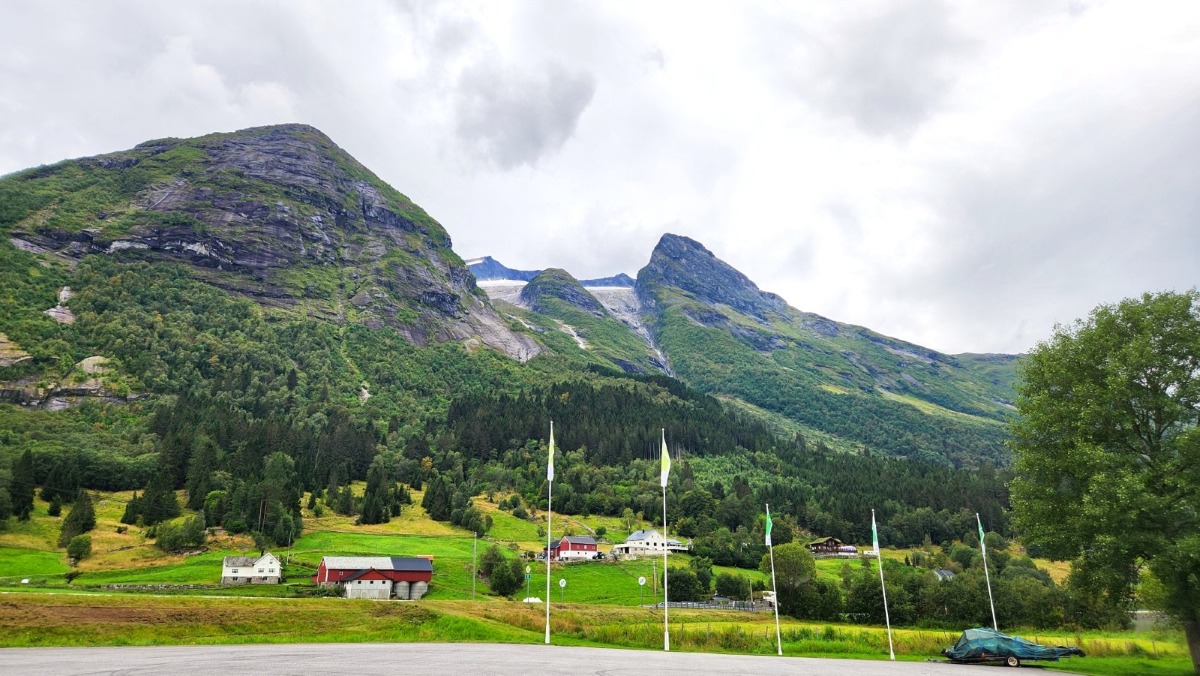
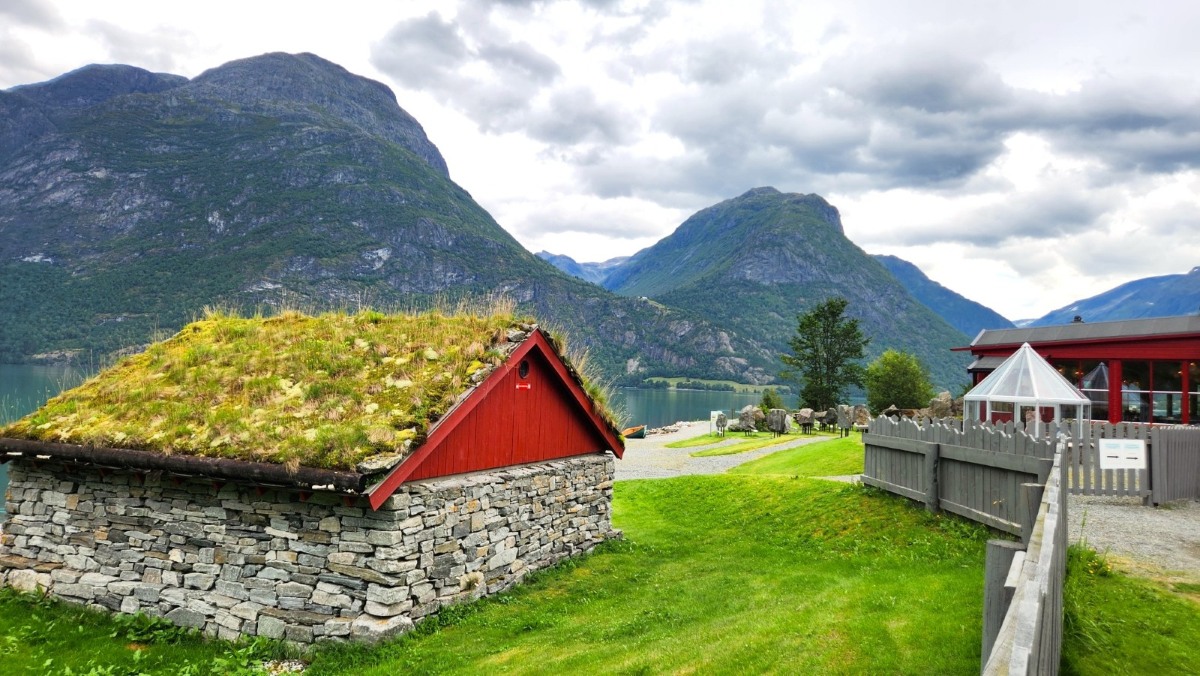
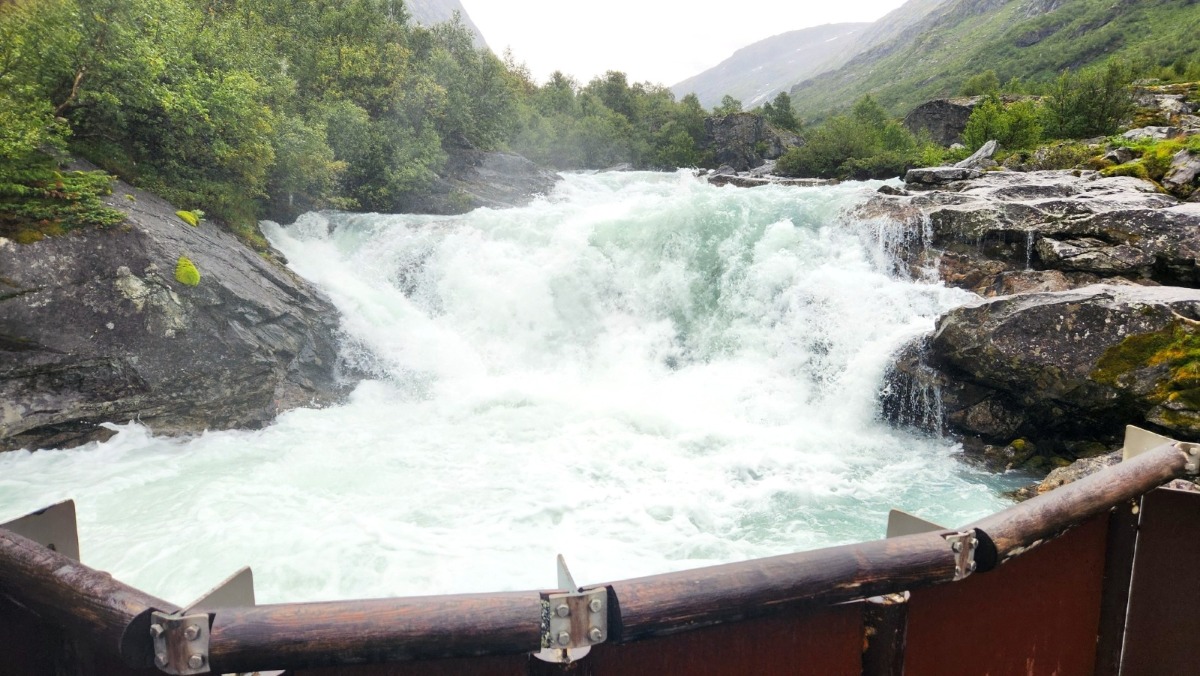
Jostedalsbreen National Park is one of Norway’s most awe-inspiring natural treasures, home to mainland Europe’s largest glacier, with over 50 glacial arms. Volefossen Waterfall in Jostedalsbreen National Park is a breathtaking cascade that plunges a staggering 388 meters (1,272 feet) in four distinct drops.
We departed Geiranger in the evening heading to our next ‘visual dessert’, Ålesund, Norway.
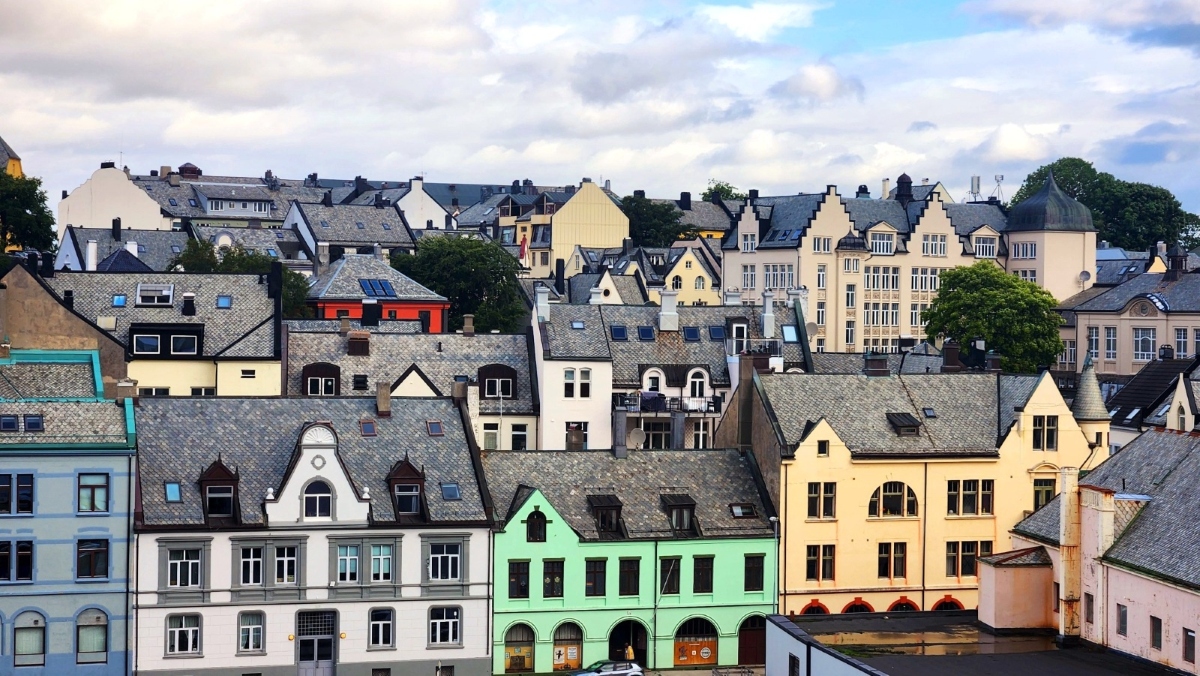
Imagine a coastal town sculpted by the sea, burned to the ground and reborn from the ashes! Ålesund, Norway, is a marvel where nature’s grandeur meets artistic elegance. Nestled on a series of islands stretching into the Norwegian Sea, Ålesund captivates with its storybook charm and cinematic views.
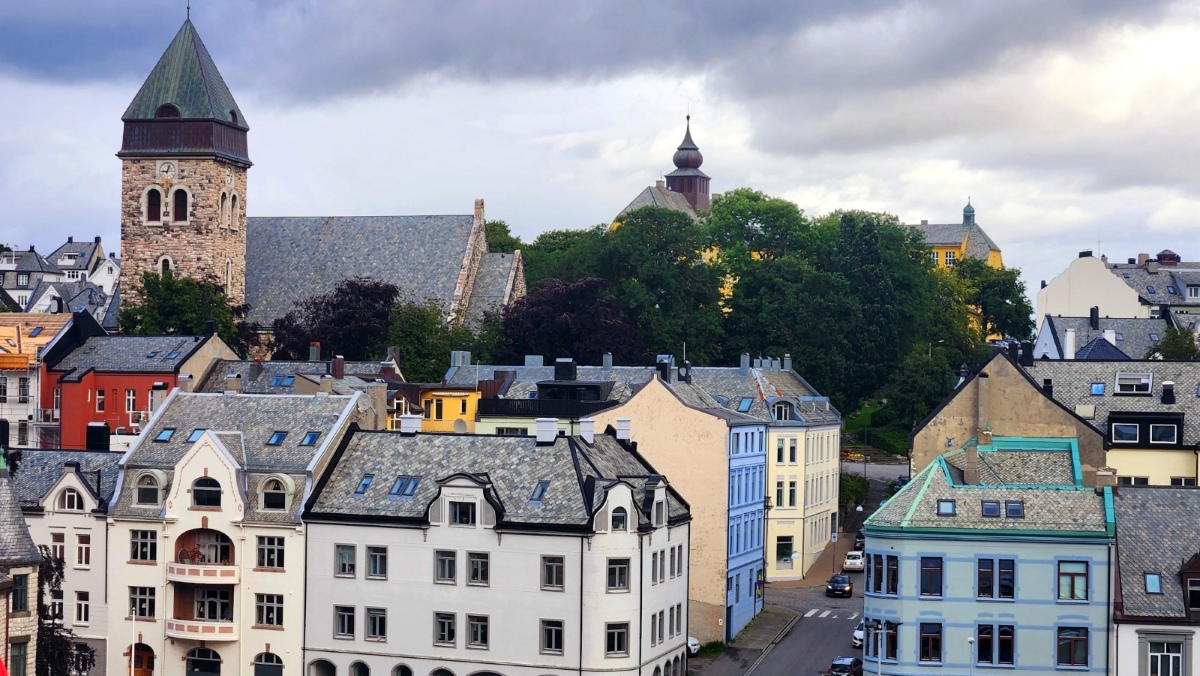
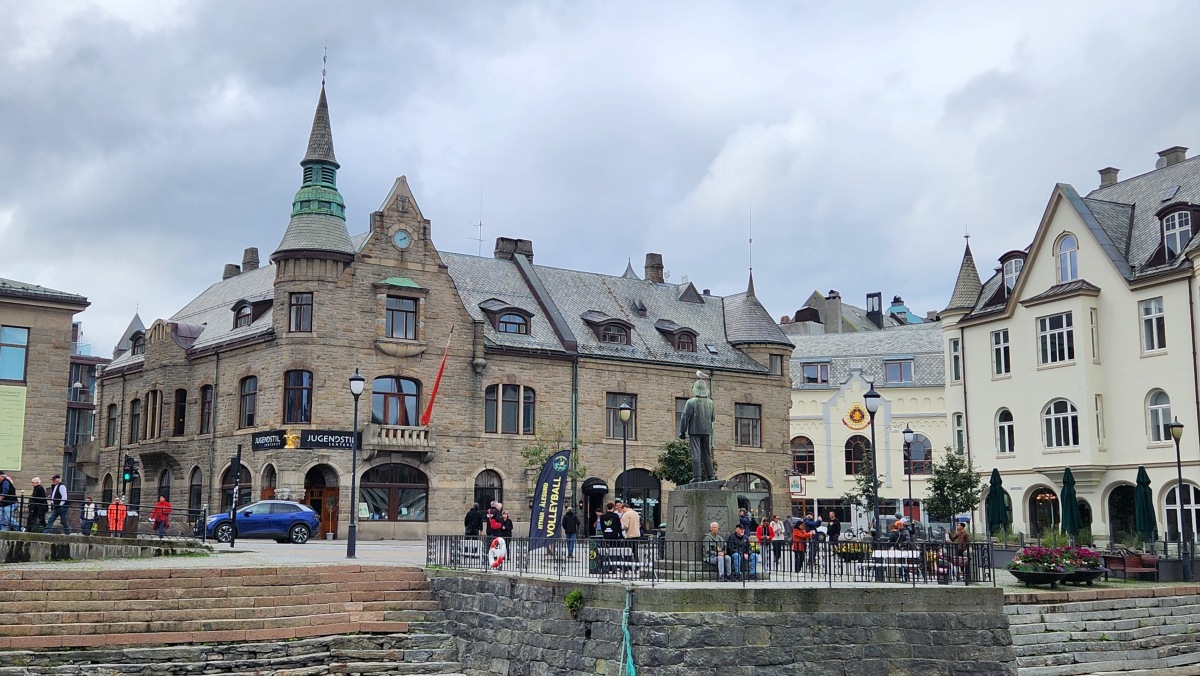
We went on a guided walking tour which was excellent. We strolled through streets lined with whimsical buildings, each adorned with turrets, curved facades, and floral details. Ålesund’s iconic architecture is the result of a well-orchestrated rebuild after a fire in 1904, making it one of Europe’s finest examples of Jugendstil (Art Nouveau) design.
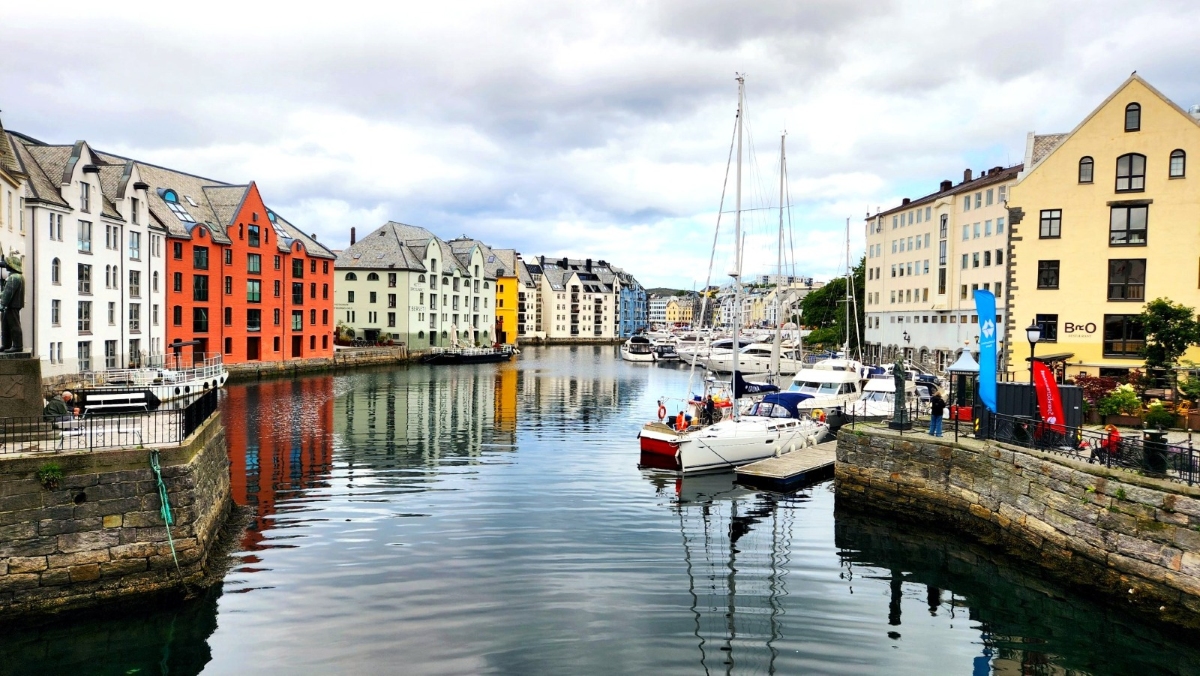
The City is embraced by water and crowned by mountains. From Mount Aksla’s Fjellstua viewpoint, there are sweeping vistas that stretch from the sparkling archipelago to the Sunnmøre Alps.
After departing Ålesund, our ship sailed to Flåm, a postcard-perfect village tucked deep in the Aurlandsfjord, a branch of the Sognefjord, Norway’s longest fjord. Sognefjord is not only Norway’s longest at 205 kilometers (127 miles) but also its deepest at 1,308 meters (4,2921 feet).
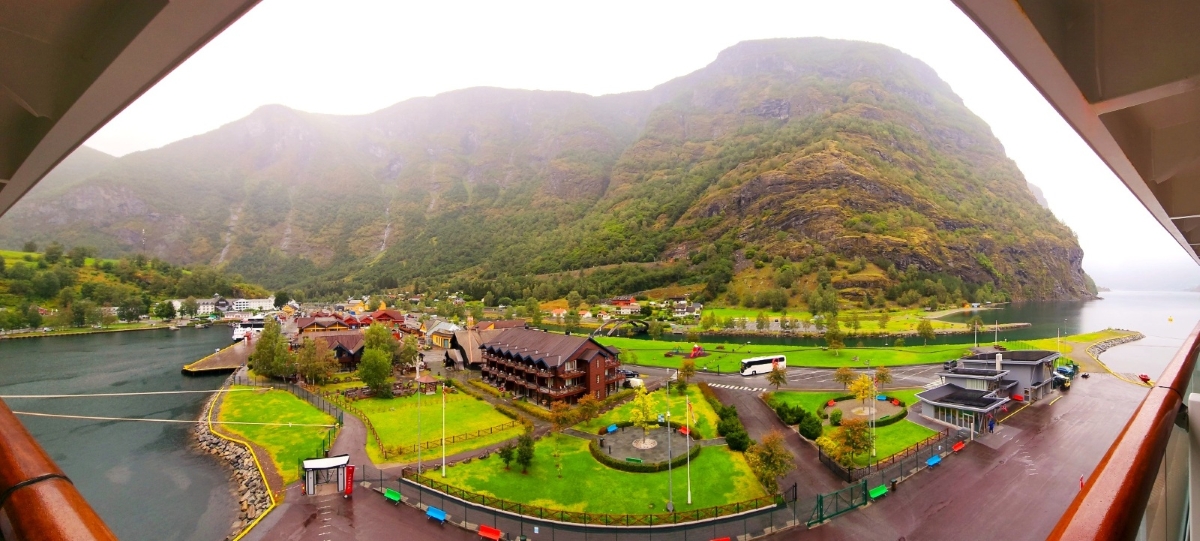
Though Flåm is home to only a few hundred residents, it’s one of the country’s most beloved destinations—especially for travelers chasing dramatic landscapes and unforgettable rail journeys. Picture towering cliffs rising from the water, creating dramatic scenery.
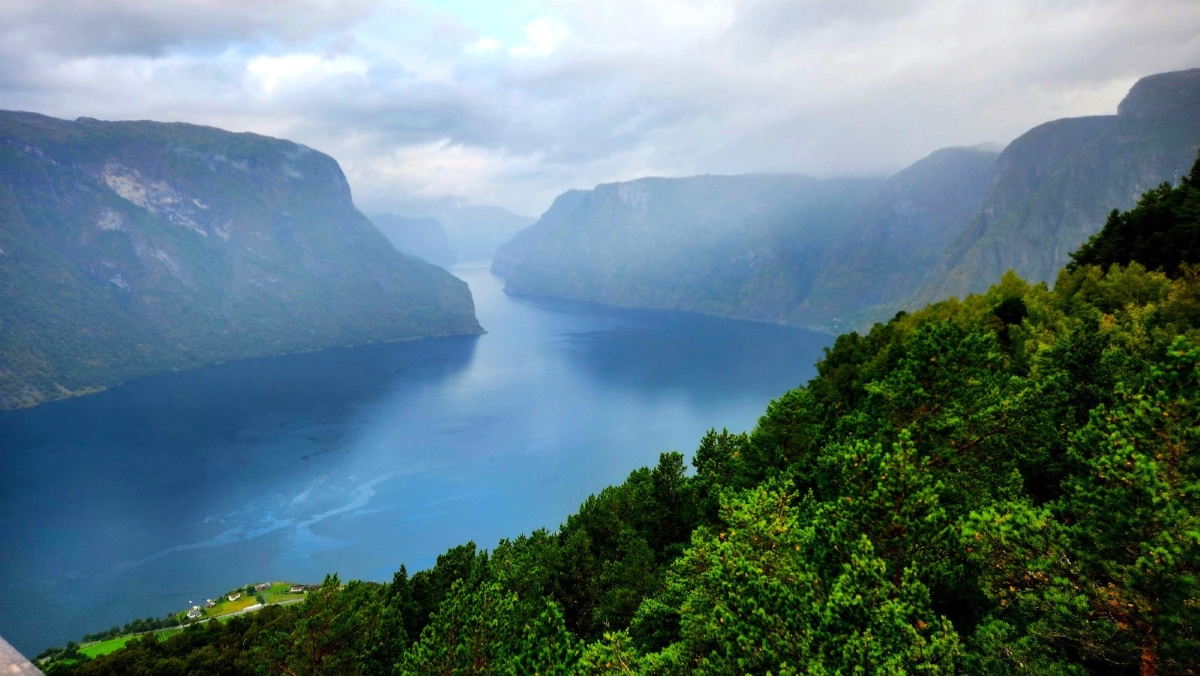
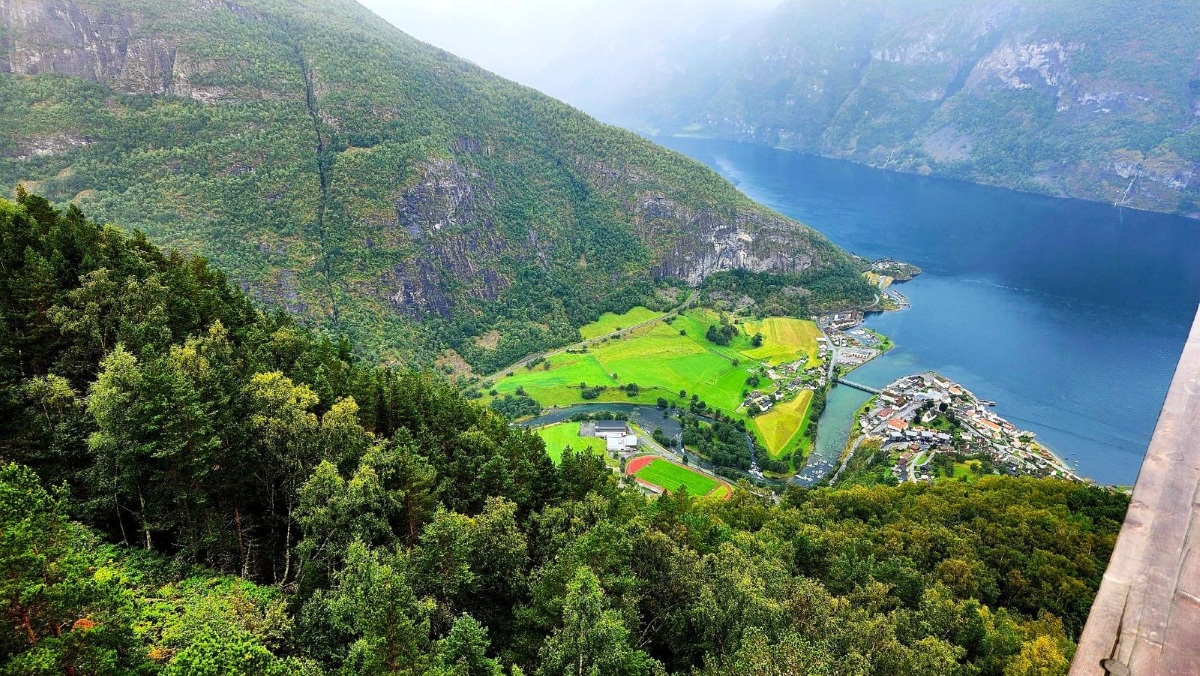
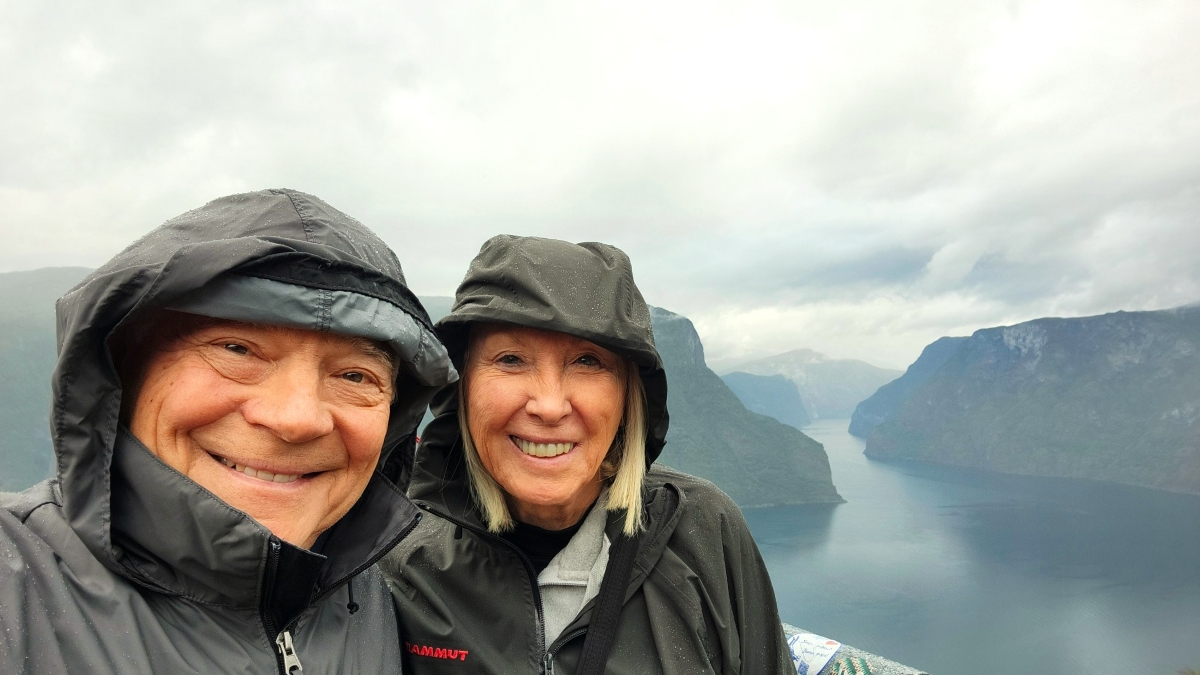
We took a coach tour to the Stegastein, one of Norway’s most iconic viewpoints—a sleek, modern platform that juts 30 meters out from the mountainside, suspended 650 meters above the Aurlandsfjord near the village of Aurland in Vestland County. On the way up, we were treated to a cycling event which caused some traffic issues as the road could not accommodate, buses and cars and bicycles. A bit frightening.
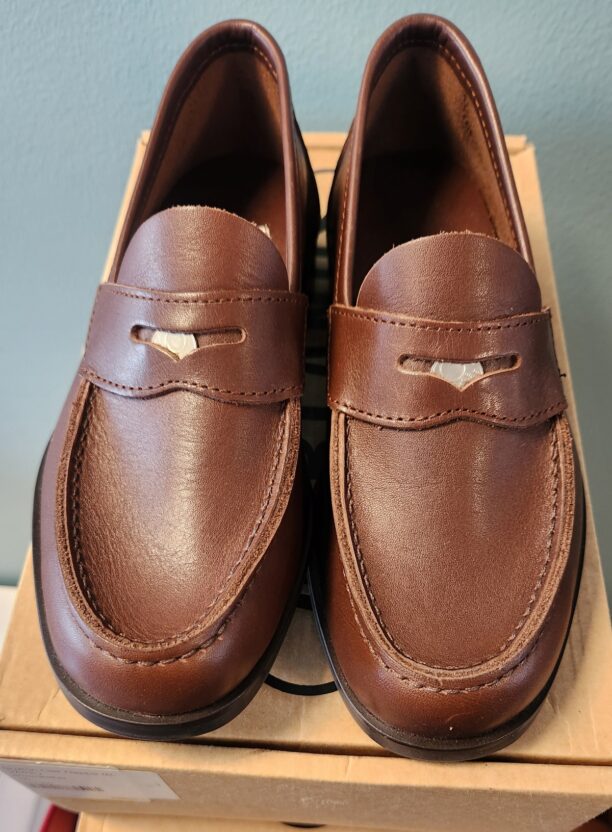
Back in town, we visited a shoe store in Flåm which was both retail and a museum for the iconic Penny Loafer, which was purportedly designed nearby in Aurland. The story is that the designer blended the traditional slip-on style from Norway with the moccasin of the Native Americans. The style gained traction in the U.S. when G.H. Bass introduced the Weejun in 1936—a play on “Norwegian.” Bass added the iconic strap across the vamp with a diamond-shaped slot, perfect for holding a penny, hence the name “penny loafer”. Who knew??
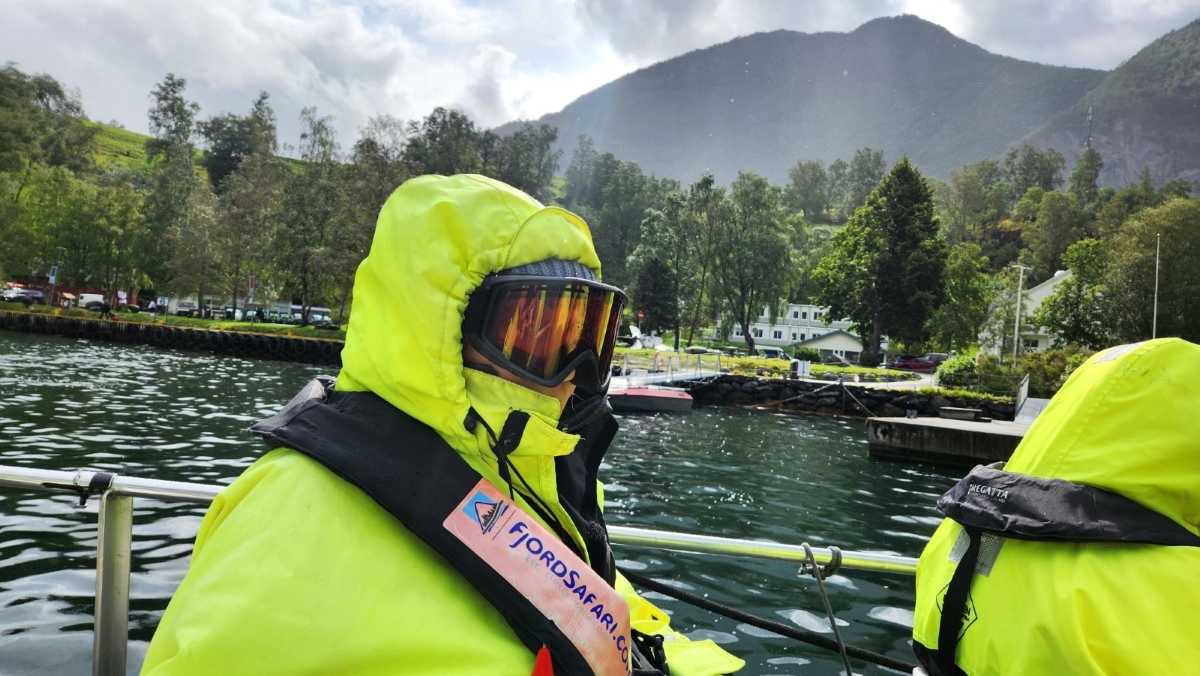
We had opted for a fjord safari via Rubber Inflatable Boat (RIB) in the afternoon. We were overwhelmed by the beauty we saw as we sped upon the glasslike surface of the Sognefjord. A combination adrenaline rush wrapped in serenity. Imagine zipping across glassy waters with towering cliffs rising nearly 1,000 meters around you, waterfalls tumbling like curtains from the sky, and the salty wind whipping through your hair. That about describes it.
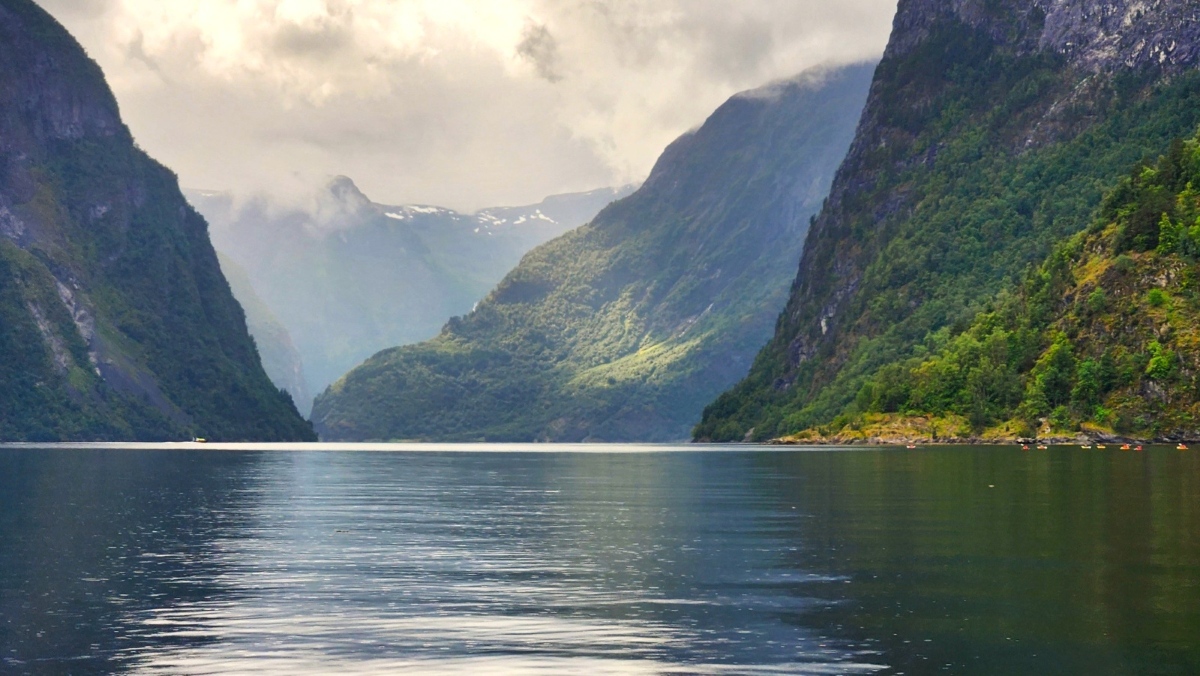

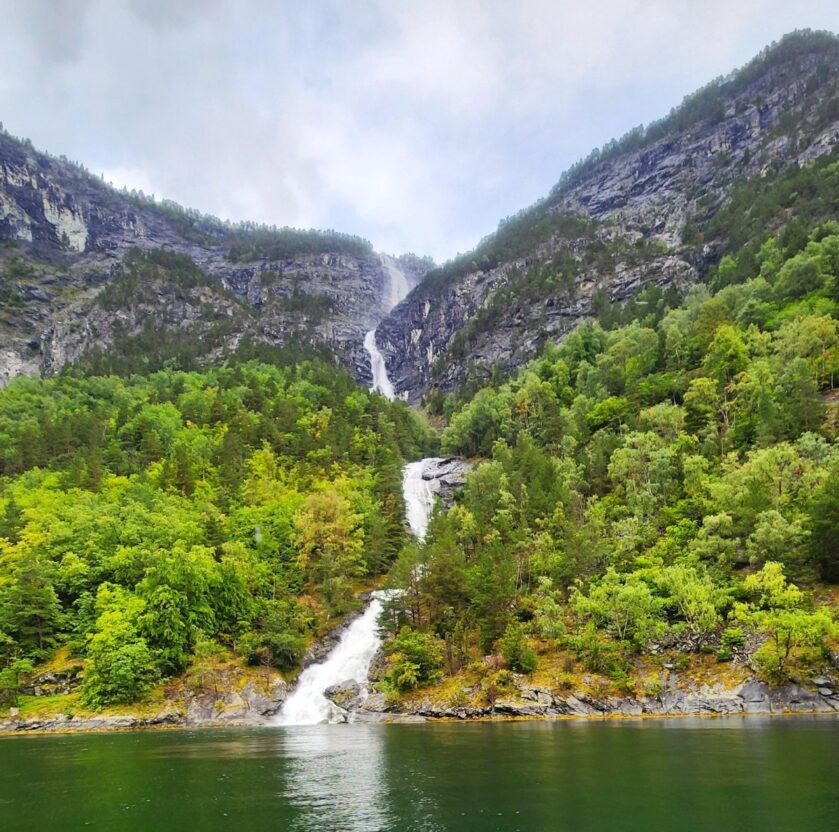
Flåm Railway, often called one of the most beautiful train rides in the world, this 20-km journey descends 867 meters from Myrdal to Flåm. We didn’t do this but the lines were pretty massive as it is very popular.
Unfortunately, our day-long stay in Flåm was coming to an end as we weighed anchor to sail to Bergen, Norway our last stop in Norway and the end of the first half of our 27-day cruise.
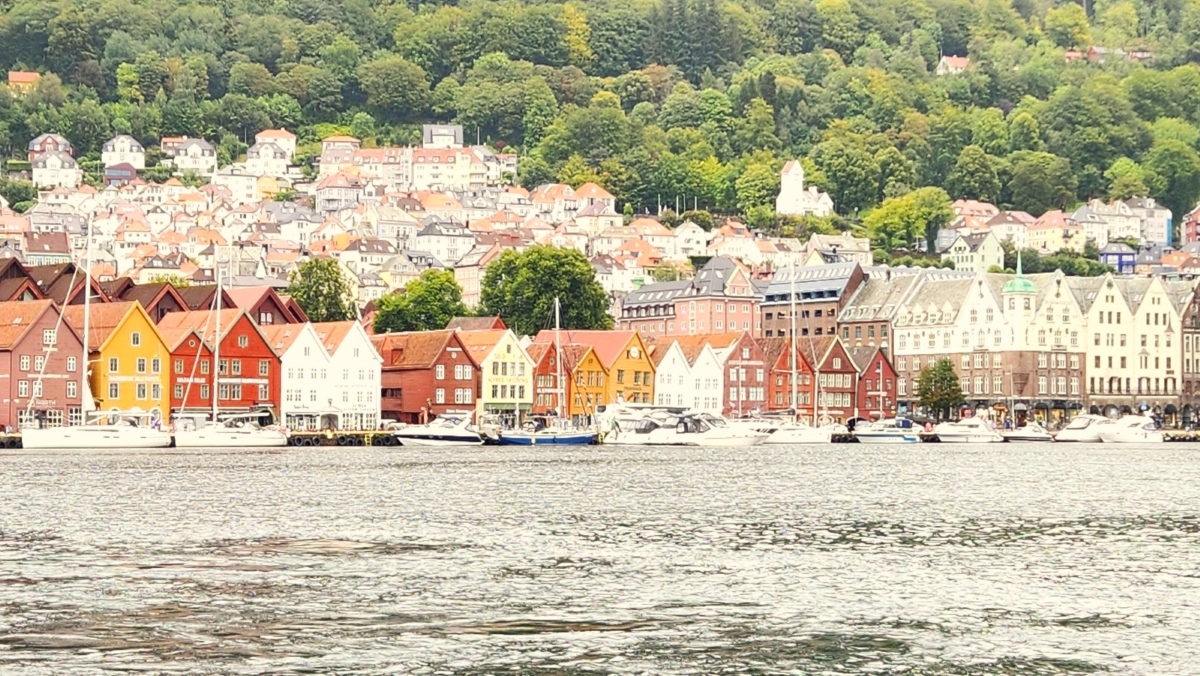
There’s something mystical about arriving in Bergen under a blanket of mist and drizzle. The city’s famed Bryggen Wharf, with its leaning wooden buildings and medieval soul, feels like it’s holding secrets from centuries past. Waterside Bergen is replete with about 60 vibrantly painted buildings that were formerly the homes of the merchants of the Hanseatic League. They are what remain from that period due to the many fires that have ravaged this Bryggen Wharf area.
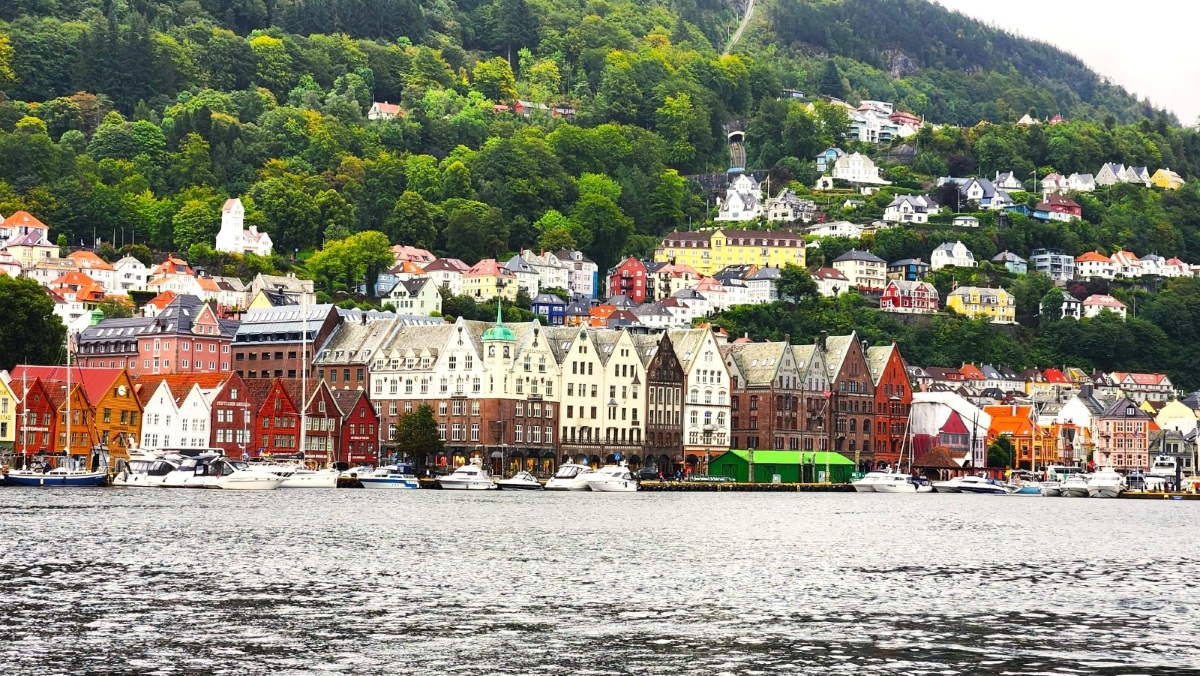
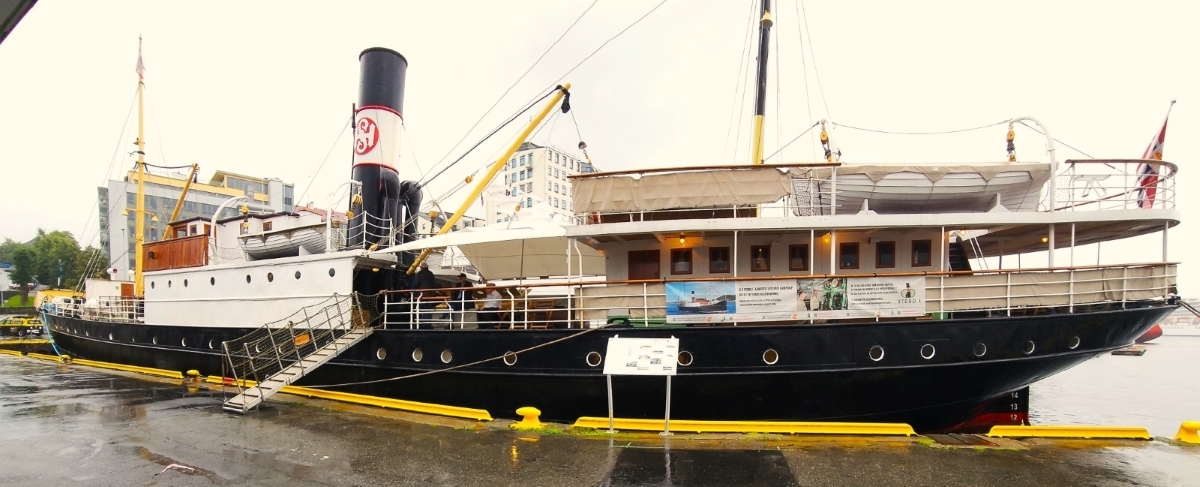
We disembarked early for an excursion, ‘Panoramic Bergen’ which included a walking tour around the wharf area, into an historic church and alongside a World War II ship, D.S. Stord I, used to resupply the Norwegian resistance against the Nazi occupiers. The Romanesque church was St. Mary’s, built in the 12th century (1180A.D.), and remains one of Bergen’s oldest surviving structures.
Like many of the guides we had in both Iceland and Norway, he was not a local but in fact a Venetian (our bus driver was from Poland), the result of the free movement within the European Economic Area (EEA). We wandered through narrow alleys that smelled of fresh rain and history, stopping at cozy cafés where candlelight flickered against foggy windows.

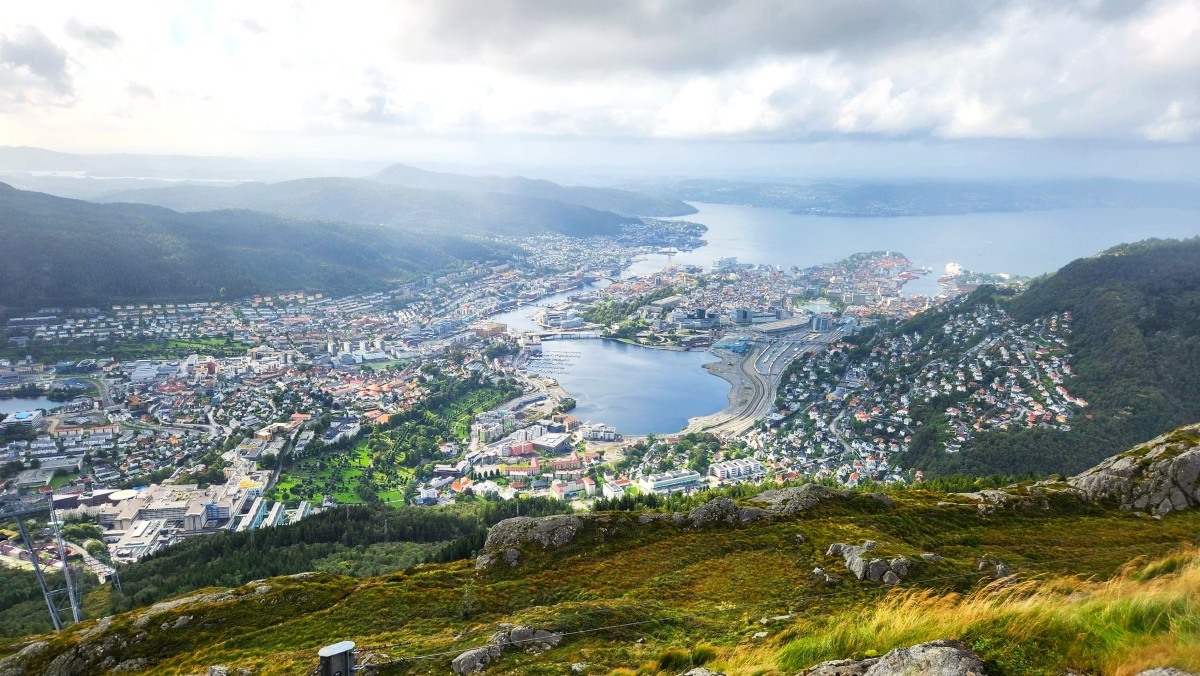
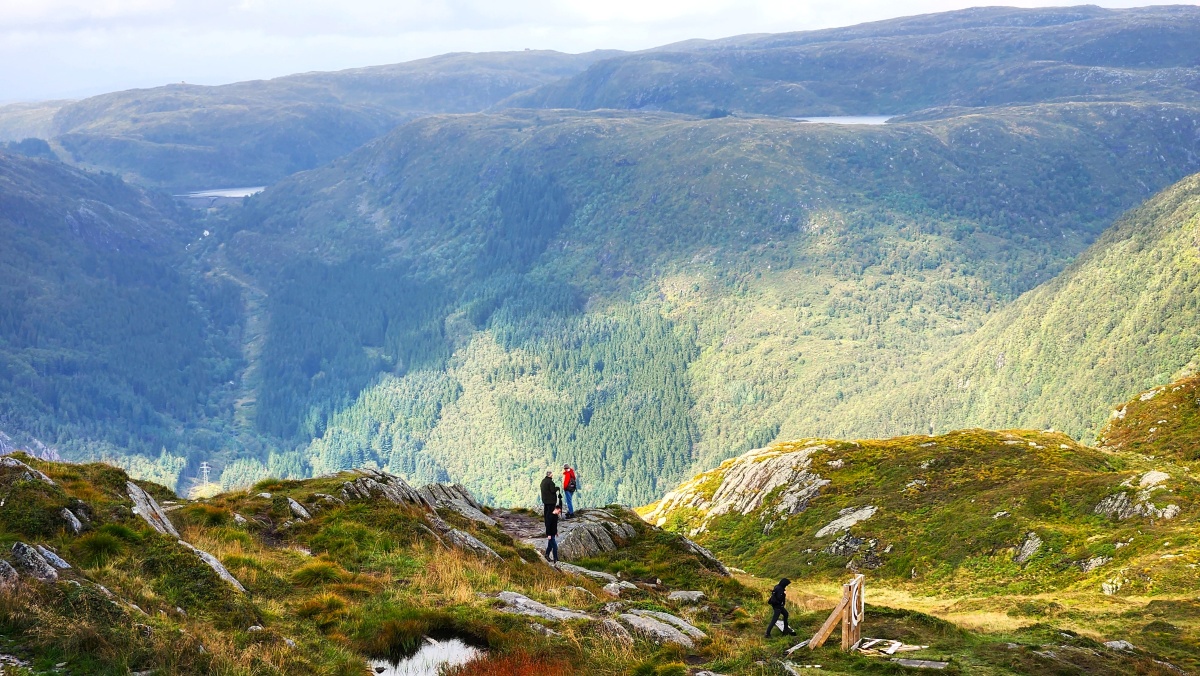
Our second tour that day was an “Ascent of Mt. Ulriken’. Suspended between mist and anticipation, our ascent of Mount Ulriken began with the gentle hum of the Ulriken Cable Car, rising toward the clouds. As we glided above Bergen’s patchwork of rooftops and whispering forests, each meter upward felt like an unveiling of some ancient Norse secret. The city below shimmered beneath shifting veils of rain and sun, while ahead, the mountain’s craggy silhouette beckoned. At the summit, winds greeted, sweeping over the ridges with wild poetry. There, perched above fjord and flame-colored town, we stood wrapped in silence and awe. After viewing from all possible angles, we went into the mountaintop café for a glass of wine as we continued to be spellbound by our surroundings.
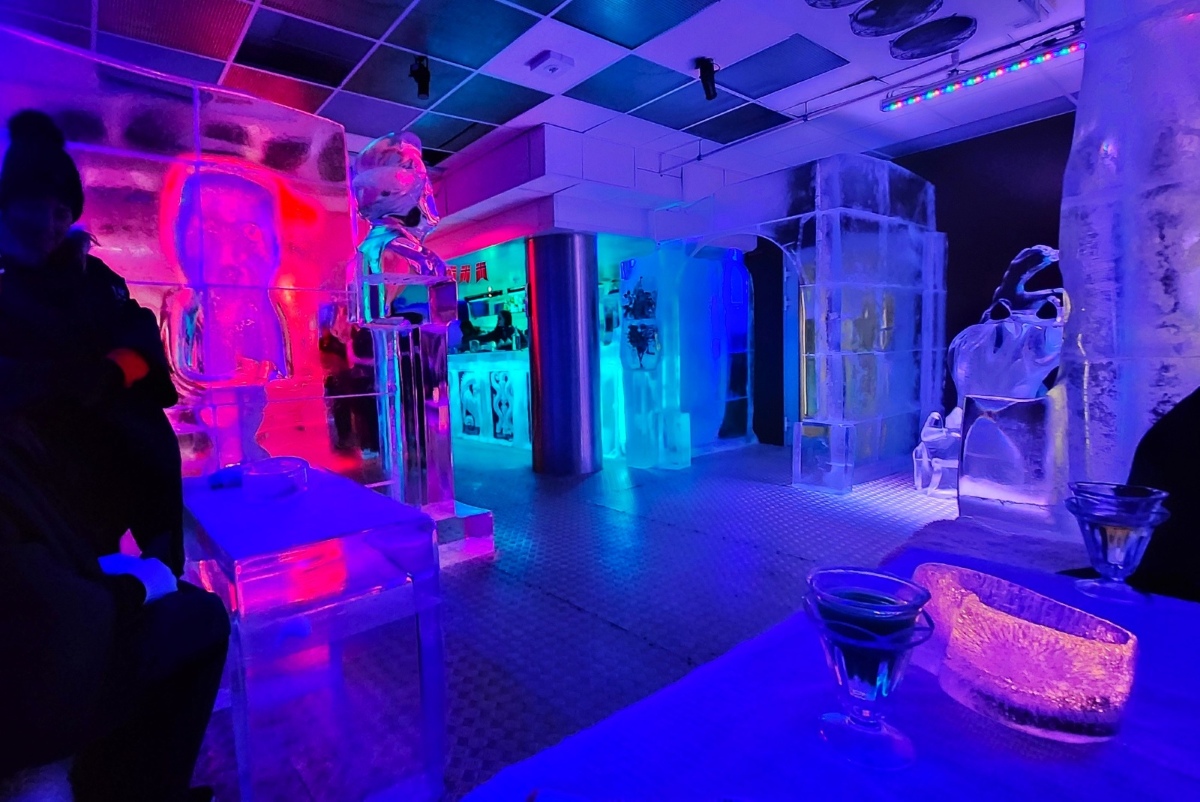
Our fellow travelers, Gil and Julie, joined us for a visit to an Ice Bar in Bergen. It was a unique experience as we bundled up in artic parkas to go inside and enjoy a cocktail as we sat on ice formed furniture and kibitzed with the bartender. Once in a lifetime experience…check!
We remained in Bergen over 3 days as it was the termination and disembarkation point for those ~600 passengers who had only booked the first 15 days of this cruise. On the 2nd day in Bergen, ~600 new passengers, arriving from Oslo, boarded the ship, which would sail the next day for the exploration of the British Isles. We remained on board for this back-to-back ‘Following the Vikings’ journey.
The highlights of our British Isles exploration will be chronicled in Part III of this Series. Please return and enjoy.
One thought on “NORWAY – LAND OF FJORDS: Part II – Following the Vikings”